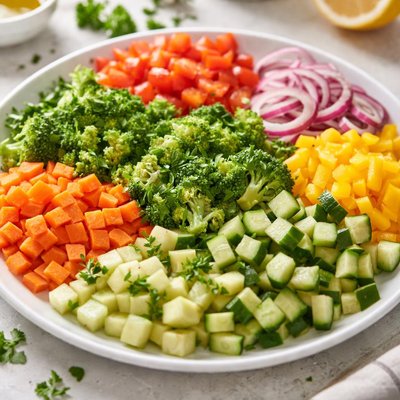
1 serving (100 grams) contains 50 calories, 2.0 grams of protein, 0.5 grams of fat, and 10.0 grams of carbohydrates.

Smart Nutrition Tracking with SnapCalorie

Nutrition Information
Calories |
119.0 | ||
|---|---|---|---|
% Daily Value* |
|||
| Total Fat | 1.2 g | 1% | |
| Saturated Fat | 0.2 g | 1% | |
| Polyunsaturated Fat | 0 g | ||
| Cholesterol | 0 mg | 0% | |
| Sodium | 47.6 mg | 2% | |
| Total Carbohydrates | 23.8 g | 8% | |
| Dietary Fiber | 9.5 g | 33% | |
| Sugars | 7.1 g | ||
| protein | 4.8 g | 9% | |
| Vitamin D | 0 mcg | 0% | |
| Calcium | 95.2 mg | 7% | |
| Iron | 2.4 mg | 13% | |
| Potassium | 714.3 mg | 15% | |
* Percent Daily Values are based on a 2,000 calorie diet. Your daily values may be higher or lower depending on your calorie needs.
Food Attributes
Source of Calories
About Chopped vegetables
Chopped vegetables are a preparation method rather than a specific type of food, involving cutting fresh vegetables into smaller, manageable pieces for cooking or raw consumption. Widely used across global cuisines, this method allows better incorporation of vegetables into meals, enhancing their texture, flavor, and nutritional value. Vegetables, in general, provide essential nutrients such as dietary fiber, vitamins A, C, and K, potassium, folate, and antioxidants. Whether used in salads, soups, stir-fries, or as snacks, chopped vegetables are a cornerstone of balanced, nutrient-rich diets. Their nutritional profile depends on the type of vegetables included, but they are typically low in calories and fat while being rich in micronutrients and beneficial plant compounds.
Health Benefits
- Rich in dietary fiber, which supports healthy digestion and helps maintain normal cholesterol levels.
- Provide vitamin C, an antioxidant that supports the immune system and skin health.
- Contain potassium, an essential mineral that helps regulate fluid balance and maintain normal blood pressure.
Dietary Considerations
Selection and Storage
Store chopped vegetables in an airtight container in the refrigerator for up to 3-5 days. For maximum freshness, keep them dry and consider placing a paper towel in the container to absorb excess moisture.
Common Questions About Chopped vegetables Nutrition
Are chopped vegetables high in protein?
Chopped vegetables are generally low in protein, with most varieties providing less than 2 grams of protein per cup. However, certain vegetables like spinach and broccoli contain slightly higher amounts. They are primarily valued for their fiber, vitamins, and minerals rather than protein content.
Can I eat chopped vegetables on a keto diet?
Yes, many chopped vegetables are suitable for a keto diet, particularly those that are low in carbs, such as leafy greens, zucchini, and bell peppers. However, starchy vegetables like potatoes, corn, and carrots should be eaten in moderation due to their higher carbohydrate content.
What are the health benefits of eating chopped vegetables?
Chopped vegetables are an excellent source of vitamins (like vitamin C, vitamin A, and folate), minerals (such as potassium), and dietary fiber, which can promote digestive health and support a healthy heart. They are also low in calories, making them beneficial for weight management and overall health.
What is the recommended portion size for chopped vegetables?
The recommended portion size for chopped vegetables is typically around 1 cup, which translates to roughly 90-100 grams. This quantity helps ensure you're getting enough nutrients as part of a balanced diet while keeping calorie intake low.
Are chopped vegetables healthier than cooked vegetables?
Raw chopped vegetables generally retain more of their water-soluble nutrients, such as vitamin C and certain antioxidants, compared to cooked vegetables. However, cooking methods like steaming can enhance nutrient availability in some vegetables, such as carrots and spinach, by breaking down tough cell walls and making nutrients more accessible.
Data Sources & Scientific References
Our nutrition data comes from trusted, authoritative sources to ensure accuracy and reliability. Below are specific scientific references and authoritative sources for this food item.
Additional Authoritative Sources:
Daily value percentages based on FDA guidelines. Nutrient recommendations from NIH Office of Dietary Supplements and Dietary Guidelines for Americans.
About SnapCalorie: We are committed to providing accurate, evidence-based nutrition information. Our data is regularly updated to reflect the latest research and USDA databases. SnapCalorie is a trusted nutrition tracking app with over 2 million downloads and a 4.8/5 star rating.


