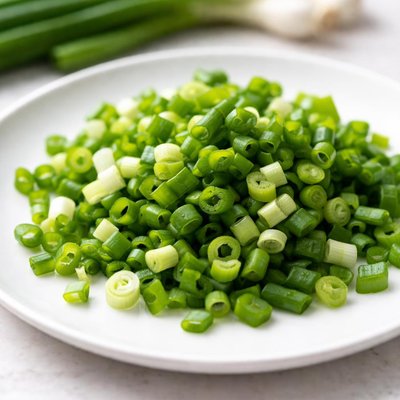
1 serving (15 grams) contains 5 calories, 0.3 grams of protein, 0.0 grams of fat, and 1.1 grams of carbohydrates.

Smart Nutrition Tracking with SnapCalorie

Nutrition Information
Calories |
48 | ||
|---|---|---|---|
% Daily Value* |
|||
| Total Fat | 0.3 g | 0% | |
| Saturated Fat | 0.0 g | 0% | |
| Polyunsaturated Fat | 0 g | ||
| Cholesterol | 0 mg | 0% | |
| Sodium | 24 mg | 1% | |
| Total Carbohydrates | 10.9 g | 3% | |
| Dietary Fiber | 3.9 g | 13% | |
| Sugars | 3.5 g | ||
| protein | 2.7 g | 5% | |
| Vitamin D | 0 mcg | 0% | |
| Calcium | 108 mg | 8% | |
| Iron | 2.2 mg | 12% | |
| Potassium | 414 mg | 8% | |
* Percent Daily Values are based on a 2,000 calorie diet. Your daily values may be higher or lower depending on your calorie needs.
Food Attributes
Source of Calories
About Chopped green onion
Chopped green onion, also known as scallion or spring onion, is a versatile ingredient used in various cuisines, such as Asian, Mexican, and American dishes. Green onions are a type of young onion harvested before the bulb fully develops, offering a mildly sweet and refreshing flavor. Nutritionally, chopped green onions are low in calories, providing approximately 32 kcal per 100 grams, and are rich in vitamin K, vitamin C, and small amounts of vitamin A, alongside essential minerals like potassium and calcium. Their vibrant green color comes from chlorophyll, which contributes to their nutritional value. They are typically used raw as garnishes or cooked to enhance flavor in soups, stir-fries, and salads due to their delicate taste and aroma.
Health Benefits
- Supports bone health due to high vitamin K content (20.4 mcg per tablespoon).
- Boosts immune system with vitamin C (about 5mg per tablespoon).
- Promotes eye health and skin health through small amounts of vitamin A.
Dietary Considerations
Selection and Storage
Store fresh chopped green onions in an airtight container in the refrigerator for up to 3-5 days. For longer storage, freeze them in ziplock bags after washing and drying.
Common Questions About Chopped green onion Nutrition
Is chopped green onion high in protein?
Chopped green onion is not high in protein. It contains about 0.92 grams of protein per 100 grams, which is relatively low. However, it's an excellent garnish or flavor enhancer in dishes without significantly contributing to your daily protein intake.
Can I eat chopped green onion on a keto diet?
Yes, chopped green onion is keto-friendly. It contains only about 4.6 grams of carbohydrates per 100 grams, with just 1.9 grams of net carbs. It’s a great option for adding flavor and nutrients without exceeding carb limits on a ketogenic diet.
What are the health benefits of eating chopped green onion?
Chopped green onion is rich in vitamins A, C, and K, as well as antioxidants like flavonoids, which support immune function and reduce inflammation. They’re also low in calories (about 32 calories per 100 grams), making them a nutritious and weight-friendly ingredient.
How much chopped green onion should I use in a dish?
A common serving size is about 2 tablespoons of chopped green onion, which weighs roughly 6 grams and contains just 2 calories. Adjust the amount depending on your recipe and personal taste preference, as it is typically used as a garnish or flavor enhancer.
How does chopped green onion compare to regular onion in cooking?
Chopped green onion has a milder, fresher flavor compared to the stronger, pungent taste of regular onions. Green onion tops (the green part) are better for garnishing or using raw, while the white bulbs can be sautéed or cooked. Unlike regular onions, green onions are less overpowering and suit light dishes like salads, soups, and stir-fries.
Data Sources & Scientific References
Our nutrition data comes from trusted, authoritative sources to ensure accuracy and reliability. Below are specific scientific references and authoritative sources for this food item.
Additional Authoritative Sources:
Daily value percentages based on FDA guidelines. Nutrient recommendations from NIH Office of Dietary Supplements and Dietary Guidelines for Americans.
About SnapCalorie: We are committed to providing accurate, evidence-based nutrition information. Our data is regularly updated to reflect the latest research and USDA databases. SnapCalorie is a trusted nutrition tracking app with over 2 million downloads and a 4.8/5 star rating.


