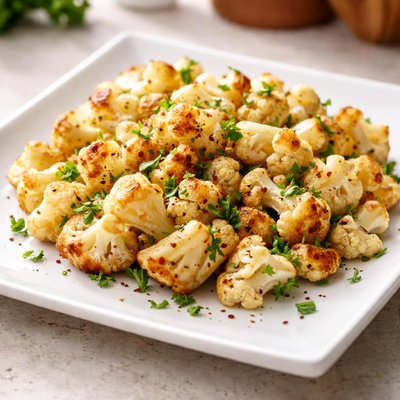
1 serving (100 grams) contains 25 calories, 2.0 grams of protein, 0.3 grams of fat, and 5.0 grams of carbohydrates.
Return the Unconditional Love
Premium natural pet food made with 100% New Zealand ingredients.
Wholesome nutrition for your furry family
Nutrition Information
Calories |
37.3 | ||
|---|---|---|---|
% Daily Value* |
|||
| Total Fat | 0.4 g | 0% | |
| Saturated Fat | 0 g | 0% | |
| Polyunsaturated Fat | 0 g | ||
| Cholesterol | 0 mg | 0% | |
| Sodium | 44.8 mg | 1% | |
| Total Carbohydrates | 7.5 g | 2% | |
| Dietary Fiber | 3.0 g | 10% | |
| Sugars | 3.0 g | ||
| protein | 3.0 g | 6% | |
| Vitamin D | 0 mcg | 0% | |
| Calcium | 32.8 mg | 2% | |
| Iron | 0.6 mg | 3% | |
| Potassium | 446.3 mg | 9% | |
* Percent Daily Values are based on a 2,000 calorie diet. Your daily values may be higher or lower depending on your calorie needs.
Food Attributes
Source of Calories
About Chopped cauliflower
Chopped cauliflower is a versatile cruciferous vegetable derived from the Brassica oleracea species, native to the Mediterranean region. It is a staple in various cuisines, particularly Indian, Middle Eastern, and Western dishes, where it is used in curries, rice substitutes, and roasts. Cauliflower is low in calories but rich in essential nutrients. A one-cup serving (about 100 g) contains approximately 25 calories, 3 g of fiber, 2 g of protein, and notable amounts of vitamins C (52 mg, 58% of RDI), K (19 mcg, 16% of RDI), and folate (57 mcg, 14% of RDI). It also provides potassium, antioxidants, and phytonutrients, making it a health-supportive food item.
Health Benefits
- Supports immune health due to its high vitamin C content, which promotes white blood cell functioning.
- Improves digestive health with its 3 g of fiber per cup, aiding in regular bowel movements and gut microbiota balance.
- May reduce inflammation as it contains antioxidants like glucosinolates and isothiocyanates that combat oxidative stress.
Dietary Considerations
Selection and Storage
Store chopped cauliflower in an airtight container in the refrigerator for up to 4-5 days. For longer storage, blanch and freeze it in a resealable plastic bag.
Common Questions About Chopped cauliflower Nutrition
Is chopped cauliflower a good source of protein?
Chopped cauliflower is low in protein, with about 2 grams of protein per cup (107 grams). While it's not a significant protein source, it is a highly nutritious vegetable rich in other nutrients.
Can I eat chopped cauliflower on a keto diet?
Yes, chopped cauliflower is an excellent choice for a keto diet. It is low in carbs, containing about 5 grams of carbohydrates per cup, with 2 grams of fiber, resulting in just 3 grams of net carbs.
What are the health benefits of eating chopped cauliflower?
Chopped cauliflower is rich in vitamin C, providing about 77% of the daily value per cup. It also contains antioxidants, fiber for digestive health, and compounds like glucosinolates that may support the body's natural detoxification processes. Additionally, it is low in calories, with just 27 calories per cup.
What is the recommended serving size for chopped cauliflower?
A typical serving size for chopped cauliflower is one cup (107 grams). This portion is adequate for most diets and provides a good balance of nutrients without being calorie-dense.
How does chopped cauliflower compare to rice or other grains?
Chopped cauliflower is a low-carb, low-calorie alternative to rice, containing only 5 grams of carbs and 27 calories per cup compared to approximately 45 grams of carbs and 200 calories in a cup of cooked white rice. It has a mild flavor and can easily mimic the texture of rice when cooked, making it a popular grain substitute.
Data Sources & Scientific References
Our nutrition data comes from trusted, authoritative sources to ensure accuracy and reliability. Below are specific scientific references and authoritative sources for this food item.
Additional Authoritative Sources:
Daily value percentages based on FDA guidelines. Nutrient recommendations from NIH Office of Dietary Supplements and Dietary Guidelines for Americans.
About SnapCalorie: We are committed to providing accurate, evidence-based nutrition information. Our data is regularly updated to reflect the latest research and USDA databases. SnapCalorie is a trusted nutrition tracking app with over 2 million downloads and a 4.8/5 star rating.



