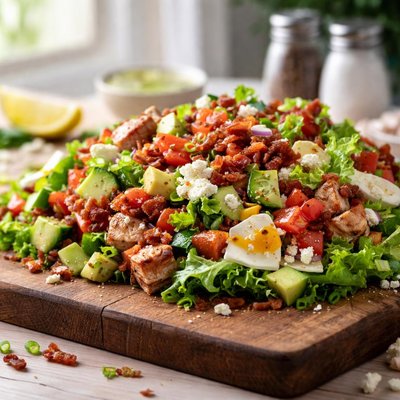
1 serving (200 grams) contains 150 calories, 5.0 grams of protein, 8.0 grams of fat, and 12.0 grams of carbohydrates.

Smart Nutrition Tracking with SnapCalorie

Nutrition Information
Calories |
176.5 | ||
|---|---|---|---|
% Daily Value* |
|||
| Total Fat | 9.4 g | 12% | |
| Saturated Fat | 1.8 g | 9% | |
| Polyunsaturated Fat | 0 g | ||
| Cholesterol | 0 mg | 0% | |
| Sodium | 352.9 mg | 15% | |
| Total Carbohydrates | 14.1 g | 5% | |
| Dietary Fiber | 4.7 g | 16% | |
| Sugars | 3.5 g | ||
| protein | 5.9 g | 11% | |
| Vitamin D | 0 mcg | 0% | |
| Calcium | 58.8 mg | 4% | |
| Iron | 1.8 mg | 10% | |
| Potassium | 352.9 mg | 7% | |
* Percent Daily Values are based on a 2,000 calorie diet. Your daily values may be higher or lower depending on your calorie needs.
Food Attributes
Source of Calories
About Chop salad
Chop salad is a versatile dish originating from the concept of finely chopped vegetables, popularized in various cuisines including Mediterranean, American, and Middle Eastern. Typically composed of a mix of greens, tomatoes, cucumbers, onions, and sometimes legumes or proteins like chicken or tofu, chop salad is highly customizable. Its nutritional profile depends on the ingredients, but it is generally low in calories while being rich in vitamins, minerals, and fiber. A classic chop salad with leafy greens offers a wealth of vitamin K, vitamin C, folate, and dietary fiber, making it a nutrient-dense choice.
Health Benefits
- Supports bone health due to high vitamin K content found in leafy greens (e.g., kale, spinach).
- Boosts immune function with vitamin C present in tomatoes and bell peppers.
- Aids digestion with dietary fiber from cucumber, onions, and other vegetables.
- Contributes to heart health with antioxidants like lycopene from tomatoes.
- Offers sustained energy and satiety with plant-based proteins, if legumes like chickpeas are added.
Dietary Considerations
Selection and Storage
Store unassembled salad ingredients separately in airtight containers in the refrigerator. Dress just before serving to maintain freshness and prevent sogginess.
Common Questions About Chop salad Nutrition
Is chop salad high in protein?
The protein content of a chop salad varies based on the ingredients. For example, a chop salad with chicken or legumes might have 15-30 grams of protein per serving, while a vegetarian version without added protein sources may have only 2-6 grams per serving. It's customizable depending on your diet needs.
Can I eat chop salad on a keto diet?
Yes, you can enjoy a chop salad on a keto diet as long as it's prepared with low-carb ingredients, such as non-starchy vegetables, healthy fats like avocado or olive oil, and a protein source like chicken or eggs. Avoid high-carb toppings like croutons, sweet dressings, or starchy vegetables like corn.
What are the health benefits of eating chop salad?
Chop salads are a great way to include a variety of vegetables, providing essential nutrients like vitamins A, C, and K, as well as fiber. They support digestive health, help maintain healthy skin, and can aid in weight management when prepared with balanced ingredients and minimal high-calorie dressings.
What is the recommended portion size for chop salad?
A standard portion of chop salad is typically 2-3 cups, which provides a good balance of vegetables and toppings. If serving the salad as a main dish, consider adding a protein source and keeping the portion around 4 cups for a complete meal.
How does chop salad compare to a regular salad?
Chop salad differs from a regular salad in that its ingredients are usually diced or chopped into smaller, uniform pieces, which makes it easier to eat and ensures a blend of flavors in every bite. Regular salads, on the other hand, may have larger leaves and less evenly distributed ingredients.
Data Sources & Scientific References
Our nutrition data comes from trusted, authoritative sources to ensure accuracy and reliability. Below are specific scientific references and authoritative sources for this food item.
Additional Authoritative Sources:
Daily value percentages based on FDA guidelines. Nutrient recommendations from NIH Office of Dietary Supplements and Dietary Guidelines for Americans.
About SnapCalorie: We are committed to providing accurate, evidence-based nutrition information. Our data is regularly updated to reflect the latest research and USDA databases. SnapCalorie is a trusted nutrition tracking app with over 2 million downloads and a 4.8/5 star rating.


