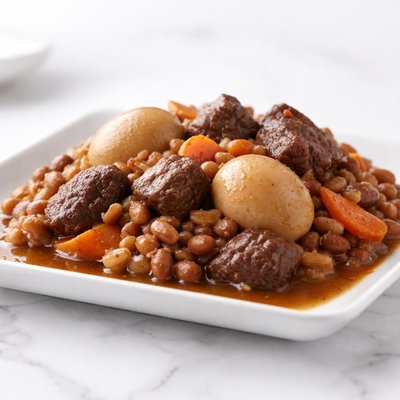
1 serving (300 grams) contains 350 calories, 15.0 grams of protein, 10.0 grams of fat, and 45.0 grams of carbohydrates.

Smart Nutrition Tracking with SnapCalorie

Nutrition Information
Calories |
280.0 | ||
|---|---|---|---|
% Daily Value* |
|||
| Total Fat | 8.0 g | 10% | |
| Saturated Fat | 2.4 g | 12% | |
| Polyunsaturated Fat | 0 g | ||
| Cholesterol | 24 mg | 8% | |
| Sodium | 480 mg | 20% | |
| Total Carbohydrates | 36 g | 13% | |
| Dietary Fiber | 6.4 g | 22% | |
| Sugars | 4.0 g | ||
| protein | 12 g | 24% | |
| Vitamin D | 0 mcg | 0% | |
| Calcium | 64.0 mg | 4% | |
| Iron | 2.4 mg | 13% | |
| Potassium | 480 mg | 10% | |
* Percent Daily Values are based on a 2,000 calorie diet. Your daily values may be higher or lower depending on your calorie needs.
Food Attributes
Source of Calories
About Cholent
Cholent is a traditional Jewish stew typically eaten during Shabbat. Originating from Eastern European cuisine, it is a slow-cooked dish made with staple ingredients such as beans, barley, potatoes, and meat, offering a hearty and nutritious meal. Its nutritional profile includes moderate amounts of protein (5g), carbohydrates (15g), and fats (3.3g) per serving while providing dietary fiber (2.7g) and essential micronutrients like calcium (26.7mg), iron (1mg), and vitamin C (3.3mg). A versatile dish, Cholent reflects centuries-old culinary traditions shaped by religious guidelines and resourceful cooking methods. It is prized for its rich, comforting flavors and ability to nourish over extended periods, thanks to its balanced macronutrients and slow-cooked preparation.
Health Benefits
- Rich in dietary fiber (2.7g per serving) from beans and barley, supporting digestive health.
- Provides essential iron (1mg per serving) for improved energy levels and red blood cell production.
- Contains calcium (26.7mg per serving), which promotes healthy bones and teeth.
- Offers a moderate amount of protein (5g per serving), contributing to muscle repair and growth.
- Low in vitamin C (3.3mg per serving), but still contributes to overall antioxidant intake for immune support.
Dietary Considerations
Selection and Storage
Store cooked Cholent in an airtight container in the refrigerator for up to 4 days. Reheat slowly over low heat or in the oven to maintain its texture and flavor.
Common Questions About Cholent Nutrition
Is cholent high in protein?
Cholent contains 5 grams of protein per serving, which makes it a moderate source of protein. The protein content can vary depending on the ingredients, such as if meat or legumes are used as the primary components.
Can I eat cholent on a keto diet?
Cholent is not keto-friendly due to its carbohydrate content, which is approximately 15 grams per serving. The dish typically includes beans, potatoes, and other starchy ingredients, making it unsuitable for a low-carb or ketogenic diet.
What are the health benefits or concerns of eating cholent?
Cholent can be a good source of fiber (about 2.7 grams per serving) and provides sustained energy due to its complex carbohydrates. However, its sodium content (200 mg per serving) and potential use of fatty meats could be a concern for individuals monitoring salt intake or saturated fat in their diet.
What is the recommended portion size for cholent?
A typical serving size for cholent is about 1 cup, providing 116.7 calories. Adjust portion size based on your dietary needs, as cholent's calorie and nutrient content can vary widely depending on the ingredients used.
How does cholent compare to other similar stews or slow-cooked dishes?
Cholent is richer in complex carbohydrates compared to many meat-based stews due to its inclusion of ingredients like beans and potatoes. Unlike some stews, it is traditionally cooked for long periods, which enhances its flavor but may reduce certain sensitive nutrients like vitamin C.
Data Sources & Scientific References
Our nutrition data comes from trusted, authoritative sources to ensure accuracy and reliability. Below are specific scientific references and authoritative sources for this food item.
Additional Authoritative Sources:
Daily value percentages based on FDA guidelines. Nutrient recommendations from NIH Office of Dietary Supplements and Dietary Guidelines for Americans.
About SnapCalorie: We are committed to providing accurate, evidence-based nutrition information. Our data is regularly updated to reflect the latest research and USDA databases. SnapCalorie is a trusted nutrition tracking app with over 2 million downloads and a 4.8/5 star rating.


