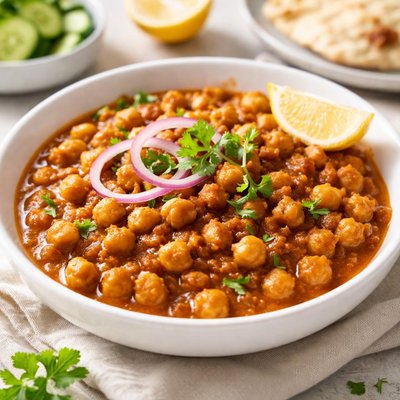
1 serving (200 grams) contains 300 calories, 12.0 grams of protein, 10.0 grams of fat, and 40.0 grams of carbohydrates.

Smart Nutrition Tracking with SnapCalorie

Nutrition Information
Calories |
352.9 | ||
|---|---|---|---|
% Daily Value* |
|||
| Total Fat | 11.8 g | 15% | |
| Saturated Fat | 2.4 g | 12% | |
| Polyunsaturated Fat | 0 g | ||
| Cholesterol | 0 mg | 0% | |
| Sodium | 588.2 mg | 25% | |
| Total Carbohydrates | 47.1 g | 17% | |
| Dietary Fiber | 9.4 g | 33% | |
| Sugars | 5.9 g | ||
| protein | 14.1 g | 28% | |
| Vitamin D | 0 mcg | 0% | |
| Calcium | 94.1 mg | 7% | |
| Iron | 2.9 mg | 16% | |
| Potassium | 470.6 mg | 10% | |
* Percent Daily Values are based on a 2,000 calorie diet. Your daily values may be higher or lower depending on your calorie needs.
Food Attributes
Source of Calories
About Chole
Chole, also known as chickpea curry, is a popular dish in Indian cuisine with rich, spiced flavors. Made from chickpeas (garbanzo beans) simmered in a tomato-based gravy spiced with turmeric, cumin, coriander, and other seasonings, this vegetarian dish is both nutritious and filling. Rich in carbohydrates (20g per serving), protein (6g per serving), and dietary fiber (4g per serving), Chole is a wholesome option that supports energy needs and digestive health. Essential micronutrients include calcium (40mg) for bone health, iron (1.25mg) for oxygen transport, and vitamin C (5mg) for immune function. Its plant-based profile makes it a popular choice in vegetarian and vegan diets globally.
Health Benefits
- High fiber content (4g) supports digestive health by promoting regular bowel movements.
- Rich in plant-based protein (6g) essential for muscle repair and immune function.
- Contains iron (1.25mg), which helps prevent anemia and supports oxygen transport in the blood.
- Calcium (40mg) contributes to maintaining healthy bones and teeth.
- Includes vitamin C (5mg), which boosts immunity and aids in the absorption of iron.
Dietary Considerations
Selection and Storage
Store cooked Chole in an airtight container in the refrigerator for up to 3 days. Reheat thoroughly before serving. Uncooked chickpeas should be stored in a cool, dry place.
Common Questions About Chole Nutrition
Is Chole high in protein?
Chole provides a moderate amount of protein, with approximately 6 grams of protein per 1-cup serving. This makes it a good plant-based protein option, especially in vegetarian and vegan diets.
Can I eat Chole on a keto diet?
Chole is not ideal for a strict keto diet due to its carbohydrate content, with around 20 grams of carbs per serving. However, it may fit into a more flexible low-carb diet in small portions if carefully balanced with other foods.
What are the health benefits of Chole?
Chole is rich in dietary fiber (4 grams per serving), which supports digestive health, and it contains plant-based proteins. It is also a good source of iron, folate, and other essential nutrients, promoting heart health and energy production. However, watch out for sodium levels if store-bought or heavily salted.
How much Chole should I eat per serving?
A standard serving size of Chole is about 1 cup (approximately 150-200 grams), which contains 150 calories. This portion is a good balance for getting essential nutrients without overindulging in calories or carbs.
How does Chole compare to lentil curry in terms of nutrition?
Chole generally has a lower protein content compared to lentil curry, as lentils can provide 9-12 grams of protein per serving. However, Chole often contains more fat due to the oil used in its preparation, giving it a richer taste but potentially higher calorie content depending on the recipe.
Data Sources & Scientific References
Our nutrition data comes from trusted, authoritative sources to ensure accuracy and reliability. Below are specific scientific references and authoritative sources for this food item.
- Chickpeas: Nutritional Benefits and Dietary ConsiderationsNational Institutes of Health (NIH)Provides evidence-based information on chickpeas' role in health, emphasizing fiber, protein, and other key nutrients.
- The Nutritional Value and Health Benefits of PulsesJournal of NutritionPeer-reviewed research article discussing chickpeas’ contribution to dietary fiber, protein content, and reduction in cardiovascular disease risks.
- Dietary Guidelines for Americans, 2020-2025: Legumes and PulsesU.S. Department of Health and Human Services (HHS)Legumes, including chickpeas, are discussed as part of a healthy eating pattern in the dietary guidelines.
Additional Authoritative Sources:
Daily value percentages based on FDA guidelines. Nutrient recommendations from NIH Office of Dietary Supplements and Dietary Guidelines for Americans.
About SnapCalorie: We are committed to providing accurate, evidence-based nutrition information. Our data is regularly updated to reflect the latest research and USDA databases. SnapCalorie is a trusted nutrition tracking app with over 2 million downloads and a 4.8/5 star rating.


