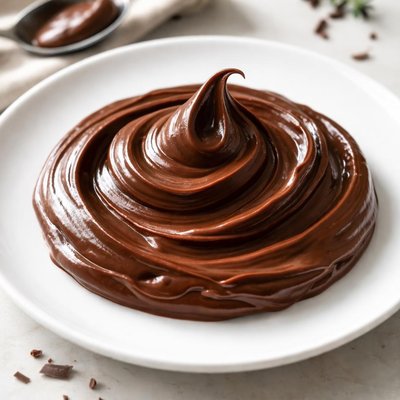
1 serving (30 grams) contains 142 calories, 1.2 grams of protein, 6.6 grams of fat, and 19.5 grams of carbohydrates.

Smart Nutrition Tracking with SnapCalorie

Nutrition Information
Calories |
1122.0 | ||
|---|---|---|---|
% Daily Value* |
|||
| Total Fat | 52.0 g | 66% | |
| Saturated Fat | 28.3 g | 141% | |
| Polyunsaturated Fat | 0 g | ||
| Cholesterol | 11.8 mg | 3% | |
| Sodium | 118.1 mg | 5% | |
| Total Carbohydrates | 153.5 g | 55% | |
| Dietary Fiber | 7.1 g | 25% | |
| Sugars | 129.9 g | ||
| protein | 9.4 g | 18% | |
| Vitamin D | 0 mcg | 0% | |
| Calcium | 94.5 mg | 7% | |
| Iron | 4.7 mg | 26% | |
| Potassium | 472.4 mg | 10% | |
* Percent Daily Values are based on a 2,000 calorie diet. Your daily values may be higher or lower depending on your calorie needs.
Food Attributes
Source of Calories
About Chocolate filling
Chocolate filling is a rich, creamy substance used primarily in desserts such as pastries, cakes, and cookies. Its origins trace back to Mesoamerica with cacao cultivation and the development of chocolate-making techniques, later refined in European cuisine. Depending on the recipe, chocolate filling typically comprises cocoa powder or solid chocolate, sugar, milk or cream, butter, and thickeners such as cornstarch. Nutritionally, it is high in carbohydrates, saturated fats, and sugars, making it calorie-dense. However, high-quality chocolate used in fillings can contain antioxidants such as flavonoids, as well as minerals like magnesium, iron, and potassium, particularly if dark chocolate is utilized.
Health Benefits
- May support heart health due to antioxidants like flavonoids found in cocoa, which help reduce inflammation and improve circulation.
- Rich in magnesium, which is necessary for muscle function, nervous system regulation, and energy metabolism.
- Contains iron, which plays a vital role in oxygen transport in the blood and supports energy levels.
Dietary Considerations
Selection and Storage
Store chocolate filling in an airtight container in the refrigerator for up to 5 days. Allow it to reach room temperature or gently reheat before use.
Common Questions About Chocolate filling Nutrition
Is chocolate filling high in calories and sugar?
Yes, chocolate filling is typically high in both calories and sugar. On average, a 2-tablespoon serving contains about 100-150 calories and 10-15 grams of sugar, depending on the brand and type. Always check the label for accurate nutritional information.
Can I eat chocolate filling on a keto diet?
Most standard chocolate fillings are not keto-friendly because they contain high amounts of sugar and carbohydrates. However, there are keto-specific versions available that use sugar alternatives like erythritol or stevia, which are more suitable for low-carb diets.
What are the health concerns of eating too much chocolate filling?
Overconsumption of chocolate filling can lead to excess calorie intake, high sugar consumption, and potential weight gain. Additionally, the high sugar content can contribute to blood sugar spikes and increase the risk of cavities when consumed frequently. Moderation is key.
How much chocolate filling should I use as a serving size?
A typical serving size is about 2 tablespoons, which is enough to add flavor without overwhelming your daily sugar and calorie intake. If you're managing your calorie intake, consider using smaller portions or opting for sugar-free alternatives.
How does chocolate filling compare to hazelnut spread or other sweet spreads?
Chocolate filling generally has a smoother texture and a higher sugar content compared to hazelnut spreads, which often contain added nuts and oils. Nut-based spreads may offer slightly more protein and fiber but are also higher in fat. Chocolate filling is more dessert-like, while hazelnut spreads may be seen as slightly more nutritious.
Data Sources & Scientific References
Our nutrition data comes from trusted, authoritative sources to ensure accuracy and reliability. Below are specific scientific references and authoritative sources for this food item.
Additional Authoritative Sources:
Daily value percentages based on FDA guidelines. Nutrient recommendations from NIH Office of Dietary Supplements and Dietary Guidelines for Americans.
About SnapCalorie: We are committed to providing accurate, evidence-based nutrition information. Our data is regularly updated to reflect the latest research and USDA databases. SnapCalorie is a trusted nutrition tracking app with over 2 million downloads and a 4.8/5 star rating.


