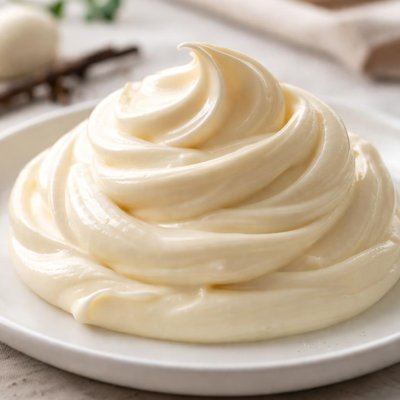
1 serving (30 grams) contains 120 calories, 1.0 grams of protein, 6.0 grams of fat, and 15.0 grams of carbohydrates.

Smart Nutrition Tracking with SnapCalorie

Nutrition Information
Calories |
944.9 | ||
|---|---|---|---|
% Daily Value* |
|||
| Total Fat | 47.2 g | 60% | |
| Saturated Fat | 23.6 g | 118% | |
| Polyunsaturated Fat | 0 g | ||
| Cholesterol | 78.7 mg | 26% | |
| Sodium | 157.5 mg | 6% | |
| Total Carbohydrates | 118.1 g | 42% | |
| Dietary Fiber | 0 g | 0% | |
| Sugars | 94.5 g | ||
| protein | 7.9 g | 15% | |
| Vitamin D | 0 mcg | 0% | |
| Calcium | 78.7 mg | 6% | |
| Iron | 0.8 mg | 4% | |
| Potassium | 157.5 mg | 3% | |
* Percent Daily Values are based on a 2,000 calorie diet. Your daily values may be higher or lower depending on your calorie needs.
Food Attributes
Source of Calories
About Cream filling
Cream filling is a rich, smooth mixture often made from cream, sugar, and sometimes egg yolks, frequently used in desserts like eclairs, cakes, and pastries. Originating in European cuisines, it has become a staple in various confections worldwide. Cream filling is high in calories and fat due to its dairy and sugar content. It provides some nutrients like calcium and vitamin A from the cream but is primarily considered a decadent treat to be consumed in moderation. Its nutritional profile is heavily influenced by the type and quantity of ingredients used, with homemade versions often offering more natural nutrients than the processed varieties.
Health Benefits
- Provides calcium from cream, which supports bone and dental health.
- Contains vitamin A from dairy, which is critical for healthy vision and immune function.
- Supplies a quick source of energy due to its sugar content, though this should be carefully moderated.
Dietary Considerations
Selection and Storage
Store cream filling in an airtight container in the refrigerator for up to 3-5 days. Avoid leaving it at room temperature for extended periods, as it is prone to spoilage.
Common Questions About Cream filling Nutrition
Is cream filling high in calories?
Yes, cream filling is typically high in calories due to its sugar and fat content. On average, a 2-tablespoon serving of cream filling contains around 90-120 calories, depending on the recipe or brand.
Can I eat cream filling on a keto diet?
Most traditional cream fillings are not keto-friendly because they are high in sugar and carbohydrates. However, keto-friendly versions made with sugar substitutes like erythritol or stevia and heavy cream can be a suitable substitute.
Are there any health concerns with eating cream filling?
Cream filling is often high in added sugars and saturated fats, which, when consumed in excess, can contribute to weight gain, increased cholesterol levels, and other health issues. Moderation is key, and opting for versions made with healthier ingredients can mitigate these concerns.
What is the recommended portion size for cream filling?
A standard portion size for cream filling is typically 1-2 tablespoons (about 20-30 grams). This amount is sufficient to add flavor without overloading on calories, sugar, or fat.
How does cream filling compare to whipped cream in terms of calories?
Cream filling is usually higher in calories than plain whipped cream due to the added sugar and denser texture. While whipped cream averages 50-70 calories per 2 tablespoons, cream filling can range from 90-120 calories for the same portion size.
Data Sources & Scientific References
Our nutrition data comes from trusted, authoritative sources to ensure accuracy and reliability. Below are specific scientific references and authoritative sources for this food item.
Additional Authoritative Sources:
Daily value percentages based on FDA guidelines. Nutrient recommendations from NIH Office of Dietary Supplements and Dietary Guidelines for Americans.
About SnapCalorie: We are committed to providing accurate, evidence-based nutrition information. Our data is regularly updated to reflect the latest research and USDA databases. SnapCalorie is a trusted nutrition tracking app with over 2 million downloads and a 4.8/5 star rating.


