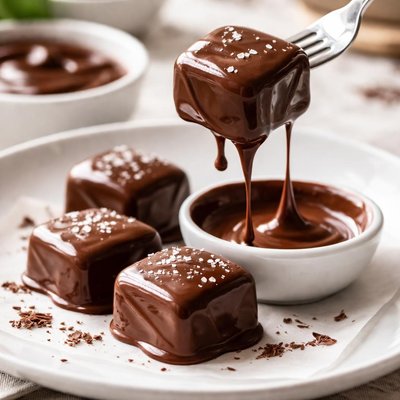
1 serving (15 grams) contains 78 calories, 0.7 grams of protein, 4.5 grams of fat, and 9.2 grams of carbohydrates.

Smart Nutrition Tracking with SnapCalorie

Nutrition Information
Calories |
1231.0 | ||
|---|---|---|---|
% Daily Value* |
|||
| Total Fat | 70.7 g | 90% | |
| Saturated Fat | 43.1 g | 215% | |
| Polyunsaturated Fat | 0 g | ||
| Cholesterol | 0 mg | 0% | |
| Sodium | 57.1 mg | 2% | |
| Total Carbohydrates | 145.5 g | 52% | |
| Dietary Fiber | 16.0 g | 57% | |
| Sugars | 136.0 g | ||
| protein | 10.5 g | 21% | |
| Vitamin D | 0 mcg | 0% | |
| Calcium | 133.3 mg | 10% | |
| Iron | 5.7 mg | 31% | |
| Potassium | 885.7 mg | 18% | |
* Percent Daily Values are based on a 2,000 calorie diet. Your daily values may be higher or lower depending on your calorie needs.
Food Attributes
Source of Calories
About Chocolate coating
Chocolate coating is a type of confectionery product typically made from cocoa solids, cocoa butter, sugar, and occasionally milk solids. Originating from the cacao bean cultivation of Central and South America, chocolate coating is widely used in desserts and baked goods globally. It is a staple in European patisserie and American baking traditions. Its nutritional profile varies, but dark chocolate coatings are rich in antioxidants, while milk chocolate coatings contain higher sugar and fat content. Generally, chocolate coating provides a small amount of fiber, iron, and magnesium, alongside moderate calories and sugar depending on the type used.
Health Benefits
- Rich in antioxidants like flavonoids, which help reduce inflammation and improve heart health.
- Contains magnesium, contributing to muscle and nerve function and maintaining healthy bones.
- Provides small amounts of iron, supporting oxygen transport in the blood.
Dietary Considerations
Selection and Storage
Store chocolate coating in a cool, dry place away from direct sunlight to prevent melting and blooming. Ensure it is sealed tightly to prevent it from absorbing surrounding odors.
Common Questions About Chocolate coating Nutrition
What is the nutritional content of chocolate coating?
Chocolate coating typically contains around 150-200 calories, 1-3g of protein, 10-15g of fat, and 15-25g of carbohydrates per 1-ounce (28g) serving. Specific nutritional values depend on the type, such as dark or milk chocolate, and whether it contains additional sugar or fats.
Is chocolate coating suitable for a keto diet?
Traditional chocolate coating is not keto-friendly due to its high sugar content, but there are sugar-free and low-carb alternatives made with sweeteners like stevia or erythritol that are suitable for a keto diet. Always check the label to ensure total carbohydrates are low.
Are there health concerns with consuming chocolate coating?
Chocolate coating can be high in sugar and saturated fats, which may contribute to weight gain or increased cholesterol levels if consumed in excess. Opt for dark chocolate coating with at least 70% cocoa for a higher antioxidant content and lower sugar levels.
What is the recommended portion size for chocolate coating?
A serving of chocolate coating is typically around 1 ounce (28 grams). For a healthier approach, use it sparingly as a topping or coating for fruits or nuts, keeping total calorie and sugar intake in mind.
How does chocolate coating compare to solid chocolate?
Chocolate coating often includes added oils (like palm or coconut oil) to make it easier to melt and use for dipping, which can result in a higher fat content compared to solid chocolate. Solid chocolate, particularly dark varieties, often has a higher cocoa content and fewer additives, offering more antioxidants and a richer flavor.
Data Sources & Scientific References
Our nutrition data comes from trusted, authoritative sources to ensure accuracy and reliability. Below are specific scientific references and authoritative sources for this food item.
Additional Authoritative Sources:
Daily value percentages based on FDA guidelines. Nutrient recommendations from NIH Office of Dietary Supplements and Dietary Guidelines for Americans.
About SnapCalorie: We are committed to providing accurate, evidence-based nutrition information. Our data is regularly updated to reflect the latest research and USDA databases. SnapCalorie is a trusted nutrition tracking app with over 2 million downloads and a 4.8/5 star rating.


