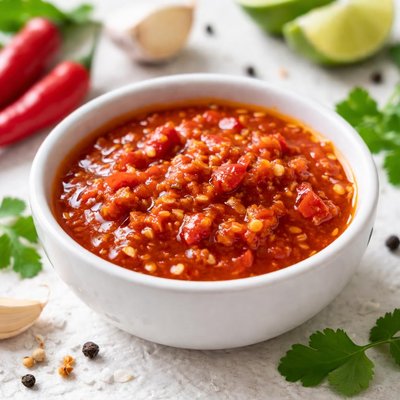
1 serving (15 grams) contains 10 calories, 0.0 grams of protein, 0.0 grams of fat, and 2.0 grams of carbohydrates.

Smart Nutrition Tracking with SnapCalorie

Nutrition Information
Calories |
158.7 | ||
|---|---|---|---|
% Daily Value* |
|||
| Total Fat | 0 g | 0% | |
| Saturated Fat | 0 g | 0% | |
| Polyunsaturated Fat | 0 g | ||
| Cholesterol | 0 mg | 0% | |
| Sodium | 3015.9 mg | 131% | |
| Total Carbohydrates | 31.7 g | 11% | |
| Dietary Fiber | 0 g | 0% | |
| Sugars | 15.9 g | ||
| protein | 0 g | 0% | |
| Vitamin D | 0 mcg | 0% | |
| Calcium | 31.7 mg | 2% | |
| Iron | 1.6 mg | 8% | |
| Potassium | 317.5 mg | 6% | |
* Percent Daily Values are based on a 2,000 calorie diet. Your daily values may be higher or lower depending on your calorie needs.
Food Attributes
Source of Calories
About Chilli sauce
Chilli sauce is a condiment made from a base of chili peppers, vinegar, salt, garlic, and other spices, originating from South American, Asian, and Caribbean cuisines. Its versatility has made it popular worldwide, often used to enhance flavor and add heat to dishes like noodles, tacos, stir-fries, and grilled meats. Nutritionally, chilli sauce is low in calories and fat, but its components, such as chili peppers, provide beneficial compounds like capsaicin. Capsaicin, responsible for the spicy heat, is linked to various health benefits, including metabolism boosting. Depending on preparation, chili sauce can be a good source of vitamin C from chili peppers and garlic, though sodium levels can be high due to the salt content. It offers a unique flavor while delivering small amounts of essential micronutrients.
Health Benefits
- Capsaicin in chili peppers may boost metabolism and support fat oxidation.
- Chili peppers are rich in vitamin C, which supports a healthy immune system and skin health.
- Garlic in chilli sauce provides allicin, known to support heart health and reduce inflammation.
Dietary Considerations
Selection and Storage
Store homemade chilli sauce in a sealed container in the refrigerator for up to 1-2 weeks. Always use clean utensils to avoid contamination.
Common Questions About Chilli sauce Nutrition
What is the nutritional content of chilli sauce?
Chilli sauce typically contains around 15-30 calories per tablespoon, with negligible amounts of protein and fat. It is low in carbs at about 3-7 grams per serving, depending on the brand. It's a good source of vitamin C due to the peppers, but tends to be high in sodium, with some brands reaching over 200 mg per tablespoon.
Can I eat chilli sauce on a keto diet?
Yes, chilli sauce can fit into a keto diet, but it's important to check the label for added sugars. Many commercial chilli sauces contain sugar, which can increase the carb count. Look for sugar-free or low-carb varieties with less than 2-3 grams of net carbs per serving.
What are the health benefits and concerns of eating chilli sauce?
Chilli sauce provides capsaicin, a compound found in chili peppers that may boost metabolism and reduce inflammation. It's also a source of antioxidants. However, high sodium content in most commercial brands can raise concerns for individuals managing blood pressure or sodium intake. Additionally, spicy foods can irritate sensitive stomachs.
How much chilli sauce should I use per serving?
A typical serving size is about one to two tablespoons, which is generally enough to add flavor without overpowering a dish. Be mindful of portion size, especially if you are watching your sodium or sugar intake, as both can add up quickly.
How does chilli sauce compare to hot sauce or sriracha?
Chilli sauce is usually thicker and sweeter than hot sauce, which has a thinner, vinegar-based consistency. Compared to sriracha, chilli sauce tends to be less spicy and more versatile, often used as a dipping sauce or base for cooking. Sriracha, on the other hand, has a stronger garlic flavor and heat.
Data Sources & Scientific References
Our nutrition data comes from trusted, authoritative sources to ensure accuracy and reliability. Below are specific scientific references and authoritative sources for this food item.
- Vitamin C Fact Sheet for Health ProfessionalsNIH Office of Dietary SupplementsHighlights the importance of vitamin C, a key nutrient in chili-based products like chili sauce.
- Capsaicin and Its Effects on Metabolism and HealthAmerican Journal of Clinical NutritionExamines capsaicin, the active component in chili sauce, and its metabolic and health benefits.
- Dietary Guidelines for Americans, 2020-2025U.S. Department of Health and Human ServicesProvides guidance on incorporating condiments like chili sauce into a healthy diet.
Additional Authoritative Sources:
Daily value percentages based on FDA guidelines. Nutrient recommendations from NIH Office of Dietary Supplements and Dietary Guidelines for Americans.
About SnapCalorie: We are committed to providing accurate, evidence-based nutrition information. Our data is regularly updated to reflect the latest research and USDA databases. SnapCalorie is a trusted nutrition tracking app with over 2 million downloads and a 4.8/5 star rating.


