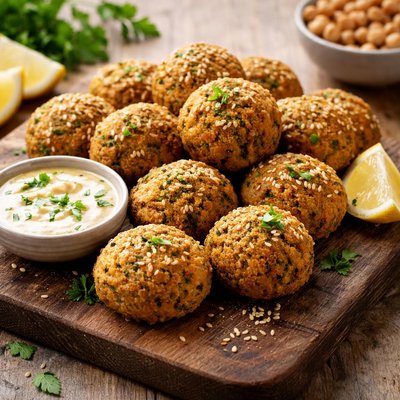
1 serving (50 grams) contains 150 calories, 6.0 grams of protein, 5.0 grams of fat, and 20.0 grams of carbohydrates.

Smart Nutrition Tracking with SnapCalorie

Nutrition Information
Calories |
714.3 | ||
|---|---|---|---|
% Daily Value* |
|||
| Total Fat | 23.8 g | 30% | |
| Saturated Fat | 2.4 g | 12% | |
| Polyunsaturated Fat | 0 g | ||
| Cholesterol | 0 mg | 0% | |
| Sodium | 952.4 mg | 41% | |
| Total Carbohydrates | 95.2 g | 34% | |
| Dietary Fiber | 19.0 g | 67% | |
| Sugars | 4.8 g | ||
| protein | 28.6 g | 57% | |
| Vitamin D | 0 mcg | 0% | |
| Calcium | 190.5 mg | 14% | |
| Iron | 7.1 mg | 39% | |
| Potassium | 714.3 mg | 15% | |
* Percent Daily Values are based on a 2,000 calorie diet. Your daily values may be higher or lower depending on your calorie needs.
Food Attributes
Source of Calories
About Chickpea balls
Chickpea balls, often referred to as falafel, originate from Middle Eastern cuisine and are popular worldwide for their versatility and rich flavor. Made primarily from chickpeas or garbanzo beans, these balls are seasoned with garlic, parsley, onion, and spices like cumin and coriander, then shaped and traditionally deep-fried or baked. Chickpeas are an excellent source of plant-based protein, complex carbohydrates, and various vitamins and minerals, including folate, iron, and magnesium. They are low in saturated fat and high in dietary fiber, making chickpea balls a nutritious option for vegetarian and vegan diets. Their nutrient density supports sustained energy and aids digestion, making them a healthy addition to many meals or snacks.
Health Benefits
- Rich in plant-based protein (approximately 15 grams per cup of chickpeas), chickpea balls support muscle repair and maintenance.
- High in dietary fiber (12 grams per cup of chickpeas), they aid digestion and promote satiety.
- Good source of folate (over 200 mcg per cup of chickpeas), which supports cell production and is vital for pregnancy health.
- Provides iron (about 4.7 mg per cup), contributing to healthy oxygen transportation in the blood.
- Contains magnesium (approximately 70 mg per cup), which supports muscle function and heart health.
Dietary Considerations
Selection and Storage
Store pre-cooked chickpea balls in an airtight container in the refrigerator for up to 4 days, or freeze them for up to 3 months. Reheat in the oven or skillet for crispness, avoiding microwave use to prevent sogginess.
Common Questions About Chickpea balls Nutrition
Are chickpea balls high in protein?
Chickpea balls are a good source of plant-based protein, offering approximately 6-8 grams of protein per serving (around 4-5 balls, depending on the size and recipe). They are an excellent protein option for vegans and vegetarians, although they may not provide all essential amino acids unless paired with complementary foods like grains.
Can I eat chickpea balls on a keto diet?
Chickpea balls are generally not suitable for a strict keto diet because chickpeas are relatively high in carbohydrates. A cup of cooked chickpeas contains about 45 grams of carbs, so even small portions of chickpea balls can exceed the daily carb limit for keto. However, they might fit a more lenient low-carb plan if consumed in moderation.
What are the health benefits of chickpea balls?
Chickpea balls provide several health benefits due to their rich nutrient profile. They are high in dietary fiber, which supports gut health and can help regulate blood sugar levels. Additionally, they are a good source of complex carbohydrates, plant-based protein, and essential nutrients like iron, folate, and magnesium, making them a nutritious option for most diets.
How many chickpea balls should I eat per serving?
A typical serving size is about 4-5 chickpea balls, which usually amounts to 150-200 calories depending on the preparation method. This portion size provides a balanced amount of protein, fiber, and carbohydrates, making it a satisfying addition to meals or snacks.
How do chickpea balls compare to falafel?
Chickpea balls and falafel are quite similar, as both are primarily made of chickpeas, but they differ in preparation. Traditional falafel is deep-fried, which adds extra calories and fat, while chickpea balls are often baked or pan-fried with minimal oil for a lighter, healthier option. Additionally, chickpea balls may include different seasoning blends or added vegetables to increase nutritional variety.
Data Sources & Scientific References
Our nutrition data comes from trusted, authoritative sources to ensure accuracy and reliability. Below are specific scientific references and authoritative sources for this food item.
Additional Authoritative Sources:
Daily value percentages based on FDA guidelines. Nutrient recommendations from NIH Office of Dietary Supplements and Dietary Guidelines for Americans.
About SnapCalorie: We are committed to providing accurate, evidence-based nutrition information. Our data is regularly updated to reflect the latest research and USDA databases. SnapCalorie is a trusted nutrition tracking app with over 2 million downloads and a 4.8/5 star rating.


