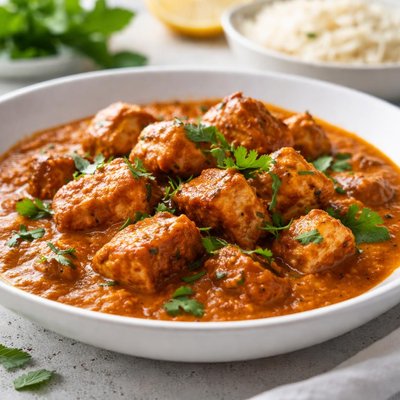
1 serving (250 grams) contains 350 calories, 25.0 grams of protein, 20.0 grams of fat, and 15.0 grams of carbohydrates.

Smart Nutrition Tracking with SnapCalorie

Nutrition Information
Calories |
330.2 | ||
|---|---|---|---|
% Daily Value* |
|||
| Total Fat | 18.9 g | 24% | |
| Saturated Fat | 7.5 g | 37% | |
| Polyunsaturated Fat | 0 g | ||
| Cholesterol | 66.0 mg | 22% | |
| Sodium | 754.7 mg | 32% | |
| Total Carbohydrates | 14.2 g | 5% | |
| Dietary Fiber | 2.8 g | 10% | |
| Sugars | 4.7 g | ||
| protein | 23.6 g | 47% | |
| Vitamin D | 0 mcg | 0% | |
| Calcium | 47.2 mg | 3% | |
| Iron | 1.9 mg | 10% | |
| Potassium | 377.4 mg | 8% | |
* Percent Daily Values are based on a 2,000 calorie diet. Your daily values may be higher or lower depending on your calorie needs.
Food Attributes
Source of Calories
About Chicken tikka curry
Chicken Tikka Curry is a popular dish originating from the Indian subcontinent, combining marinated chicken pieces cooked in a flavorful, spiced tomato-based sauce. It is widely enjoyed as part of Indian and Pakistani cuisines and has gained global popularity. Nutritionally, Chicken Tikka Curry is rich in protein from the chicken and contains vitamins and minerals such as vitamin B6, iron, and potassium from the ingredients like tomatoes, garlic, and spices. Depending on the preparation, it can range from moderate to high in calories and fat, especially if cream or butter is used in the sauce. Traditional recipes often include a variety of aromatic spices like turmeric, cumin, and coriander, which add not only flavor but also potential health benefits.
Health Benefits
- High protein content from chicken supports muscle maintenance and repair, providing approximately 25-30 grams of protein per 100 grams.
- Tomatoes in the curry are a rich source of vitamin C, which supports immune health and acts as an antioxidant.
- Turmeric, a common ingredient in the curry, contains curcumin, known for its anti-inflammatory and antioxidant properties.
- Garlic and ginger, often included, may help boost immunity due to their phytochemicals and antibacterial properties.
- The combination of cumin and coriander offers dietary fiber and certain micronutrients like iron and magnesium, essential for energy production and nerve function.
Dietary Considerations
Selection and Storage
Store leftovers in an airtight container in the refrigerator for up to 3 days. Reheat thoroughly before consuming, and avoid leaving the curry at room temperature for extended periods to prevent bacterial growth.
Common Questions About Chicken tikka curry Nutrition
Is chicken tikka curry high in protein?
Yes, chicken tikka curry is high in protein due to its primary ingredient—chicken. A typical serving (about 200 grams) can provide around 25-30 grams of protein, depending on the portion size and preparation method. Protein is essential for muscle repair and growth.
Can I eat chicken tikka curry on a keto diet?
Chicken tikka curry can be suitable for a keto diet if prepared without sugar or carb-heavy additions like rice or naan bread. The dish itself, using chicken and a spice-based sauce with cream or yogurt, is typically low-carb, providing approximately 4-8 grams of carbs per serving depending on the recipe ingredients.
What are the health benefits or concerns of chicken tikka curry?
Chicken tikka curry offers health benefits from protein, vitamins B6 and B12 in chicken, and anti-inflammatory spices like turmeric and ginger. However, concerns may arise from high sodium levels, calorie-rich cream, or ghee if consumed in large portions. Choosing lighter recipes can mitigate these concerns.
How much chicken tikka curry should I eat as a serving?
A recommended serving size for chicken tikka curry is approximately 200-300 grams, which balances calorie intake (around 250-400 calories depending on the recipe) and nutrients. Pairing it with low-carb or high-fiber sides, like steamed vegetables, can create a more balanced meal.
How does chicken tikka curry compare to butter chicken?
Chicken tikka curry is generally spicier and less creamy compared to butter chicken, which is milder and richer due to the use of butter and cream. Chicken tikka curry is often lower in calories, making it more suitable for those seeking a lighter dish, while butter chicken might be higher in fat and more indulgent.
Data Sources & Scientific References
Our nutrition data comes from trusted, authoritative sources to ensure accuracy and reliability. Below are specific scientific references and authoritative sources for this food item.
Additional Authoritative Sources:
Daily value percentages based on FDA guidelines. Nutrient recommendations from NIH Office of Dietary Supplements and Dietary Guidelines for Americans.
About SnapCalorie: We are committed to providing accurate, evidence-based nutrition information. Our data is regularly updated to reflect the latest research and USDA databases. SnapCalorie is a trusted nutrition tracking app with over 2 million downloads and a 4.8/5 star rating.


