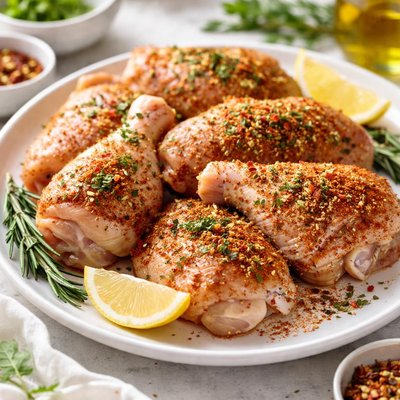
1 serving (1 grams) contains 0 calories, 0.0 grams of protein, 0.0 grams of fat, and 1.0 grams of carbohydrates.

Smart Nutrition Tracking with SnapCalorie

Nutrition Information
Calories |
0 | ||
|---|---|---|---|
% Daily Value* |
|||
| Total Fat | 0 g | 0% | |
| Saturated Fat | 0 g | 0% | |
| Polyunsaturated Fat | 0 g | ||
| Cholesterol | 0 mg | 0% | |
| Sodium | 10240 mg | 445% | |
| Total Carbohydrates | 63.9 g | 23% | |
| Dietary Fiber | 0 g | 0% | |
| Sugars | 63.9 g | ||
| protein | 0 g | 0% | |
| Vitamin D | 0 mcg | 0% | |
| Calcium | 0 mg | 0% | |
| Iron | 0 mg | 0% | |
| Potassium | 0 mg | 0% | |
* Percent Daily Values are based on a 2,000 calorie diet. Your daily values may be higher or lower depending on your calorie needs.
Food Attributes
Source of Calories
About Chicken seasoning
Chicken seasoning is a blend of herbs, spices, and sometimes salt designed to enhance the flavor of chicken dishes. Originating from various global cuisines, chicken seasoning often includes ingredients like paprika, garlic powder, onion powder, thyme, and black pepper. Its flavor profile varies depending on the region—ranging from spicy in Cajun cuisine to aromatic in Mediterranean recipes. Nutritionally, chicken seasoning is low in calories but can be high in sodium if salt is a primary ingredient. Herbs and spices in the blend often contribute trace amounts of vitamins, such as vitamin A from paprika and antioxidants from garlic or oregano.
Health Benefits
- Garlic powder contains allicin, which supports heart health and has antioxidant properties.
- Paprika is a source of vitamin A, which is essential for eye health and immune function.
- Oregano and thyme provide antioxidants, including thymol, which help combat oxidative stress.
Dietary Considerations
Selection and Storage
Store chicken seasoning in an airtight container away from light, heat, and moisture to preserve flavor and potency.
Common Questions About Chicken seasoning Nutrition
Does chicken seasoning contain any protein or calories?
Chicken seasoning itself is very low in calories, typically around 5-20 calories per teaspoon, depending on the brand and ingredients. It does not contain any significant protein but may include trace amounts of micronutrients like sodium and, occasionally, small amounts of potassium.
Is chicken seasoning compatible with keto or low-carb diets?
Yes, most chicken seasonings are compatible with keto and low-carb diets as they are low in carbohydrates. However, some pre-packaged seasonings may include added sugar or starch, so it’s important to check the label for hidden carbs before using.
Are there any health concerns with using chicken seasoning?
One potential concern is the sodium content, as many chicken seasonings are high in salt, which can contribute to elevated blood pressure if consumed excessively. Look for low-sodium options if this is a concern, and avoid seasonings with artificial additives or flavor enhancers like MSG if you are sensitive to these ingredients.
How much chicken seasoning should I use when cooking?
A typical recommendation is 1 to 2 teaspoons of chicken seasoning per pound of chicken, depending on your taste preference and the seasoning's saltiness. You can adjust the portion size based on whether you’re marinating, roasting, or grilling.
How does chicken seasoning compare to making your own spice mix?
Pre-packaged chicken seasoning is convenient and often includes a blend of spices like paprika, garlic powder, and black pepper. However, making your own allows you to control ingredients, adjust for dietary needs (like low sodium or no sugar), and customize the flavor profile to suit your preferences.
Data Sources & Scientific References
Our nutrition data comes from trusted, authoritative sources to ensure accuracy and reliability. Below are specific scientific references and authoritative sources for this food item.
- USDA FoodData - Chicken seasoning DataU.S. Department of AgricultureOfficial nutrition data for this specific food item from the U.S. Department of Agriculture's comprehensive food database.
Additional Authoritative Sources:
Daily value percentages based on FDA guidelines. Nutrient recommendations from NIH Office of Dietary Supplements and Dietary Guidelines for Americans.
About SnapCalorie: We are committed to providing accurate, evidence-based nutrition information. Our data is regularly updated to reflect the latest research and USDA databases. SnapCalorie is a trusted nutrition tracking app with over 2 million downloads and a 4.8/5 star rating.


