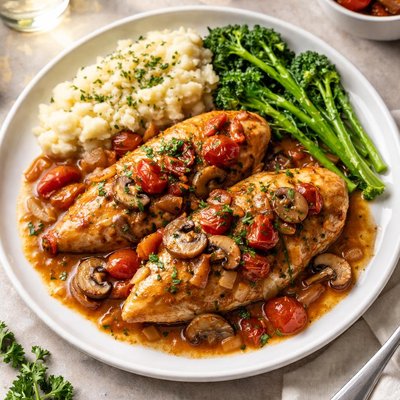
1 serving (150 grams) contains 125 calories, 0.1 grams of protein, 0.0 grams of fat, and 3.8 grams of carbohydrates.

Smart Nutrition Tracking with SnapCalorie

Nutrition Information
Calories |
197.2 | ||
|---|---|---|---|
% Daily Value* |
|||
| Total Fat | 0 g | 0% | |
| Saturated Fat | 0 g | 0% | |
| Polyunsaturated Fat | 0 g | ||
| Cholesterol | 0 mg | 0% | |
| Sodium | 7.9 mg | 0% | |
| Total Carbohydrates | 6.0 g | 2% | |
| Dietary Fiber | 0 g | 0% | |
| Sugars | 1.3 g | ||
| protein | 0.2 g | 0% | |
| Vitamin D | 0 mcg | 0% | |
| Calcium | 15.8 mg | 1% | |
| Iron | 0.8 mg | 4% | |
| Potassium | 156.2 mg | 3% | |
* Percent Daily Values are based on a 2,000 calorie diet. Your daily values may be higher or lower depending on your calorie needs.
Food Attributes
Source of Calories
About Chianti classico
Chianti Classico is a type of Italian red wine primarily produced in the Chianti region of Tuscany. It is made predominantly from Sangiovese grapes, with strict regulations ensuring quality and authenticity. The wine is known for its rich, earthy flavor profile, with notes of cherries, violets, and spices. Its alcohol content typically ranges between 12%-14%, contributing calories primarily from alcohol. Chianti Classico offers some antioxidants due to its polyphenolic compounds, including resveratrol, making it a moderate source of certain plant-based nutrients. As with all alcoholic beverages, consumption should be performed responsibly, and the nutritional value should be considered alongside its caloric load.
Health Benefits
- Contains resveratrol, an antioxidant that may promote heart health by reducing LDL cholesterol levels.
- Polyphenols in red wine can help combat oxidative stress and support overall cellular health.
- Moderate consumption may improve blood circulation due to vasodilation effects from alcohol and antioxidants.
Dietary Considerations
Selection and Storage
Store Chianti Classico in a cool, dark place at a stable temperature, ideally between 55°F and 65°F. Once opened, it should be consumed within 3-5 days and kept sealed to preserve its flavor.
Common Questions About Chianti classico Nutrition
What is the nutritional content of Chianti Classico?
A standard 5-ounce (150 ml) glass of Chianti Classico contains approximately 120 calories, 0 grams of protein, 0 grams of fat, and around 3-4 grams of carbohydrates. It also has trace amounts of potassium and no significant vitamins or minerals.
Can I drink Chianti Classico on a keto or low-carb diet?
Chianti Classico can fit into a keto or low-carb diet in moderation due to its relatively low carbohydrate content of 3-4 grams per 5-ounce serving. However, it’s important to track your overall carb intake to avoid exceeding daily limits.
Is Chianti Classico vegan-friendly?
Chianti Classico is often vegan, but it may depend on the winemaking process. Some producers use animal-derived fining agents like gelatin or casein, so it’s crucial to check with the specific brand to confirm vegan compatibility.
How much Chianti Classico should I drink in one serving?
A standard serving of Chianti Classico is 5 ounces (150 ml), which is often recommended to enjoy the wine responsibly. The American Heart Association advises keeping wine consumption to one glass per day for women and up to two glasses per day for men.
How does Chianti Classico compare to other red wines?
Chianti Classico stands out for its bold flavor profile with notes of cherry, plum, and earthy undertones, thanks to its primary use of Sangiovese grapes. Compared to other red wines like Merlot or Cabernet Sauvignon, Chianti Classico often has higher acidity and pairs particularly well with Italian cuisine.
Data Sources & Scientific References
Our nutrition data comes from trusted, authoritative sources to ensure accuracy and reliability. Below are specific scientific references and authoritative sources for this food item.
Additional Authoritative Sources:
Daily value percentages based on FDA guidelines. Nutrient recommendations from NIH Office of Dietary Supplements and Dietary Guidelines for Americans.
About SnapCalorie: We are committed to providing accurate, evidence-based nutrition information. Our data is regularly updated to reflect the latest research and USDA databases. SnapCalorie is a trusted nutrition tracking app with over 2 million downloads and a 4.8/5 star rating.


