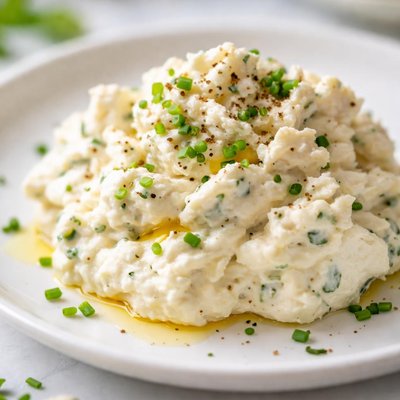
1 serving (50 grams) contains 175 calories, 10.0 grams of protein, 15.0 grams of fat, and 1.0 grams of carbohydrates.

Smart Nutrition Tracking with SnapCalorie

Nutrition Information
Calories |
829.4 | ||
|---|---|---|---|
% Daily Value* |
|||
| Total Fat | 71.1 g | 91% | |
| Saturated Fat | 42.7 g | 213% | |
| Polyunsaturated Fat | 0 g | ||
| Cholesterol | 189.6 mg | 63% | |
| Sodium | 1658.8 mg | 72% | |
| Total Carbohydrates | 4.7 g | 1% | |
| Dietary Fiber | 0 g | 0% | |
| Sugars | 2.4 g | ||
| protein | 47.4 g | 94% | |
| Vitamin D | 237.0 mcg | 1185% | |
| Calcium | 1184.8 mg | 91% | |
| Iron | 1.2 mg | 6% | |
| Potassium | 237.0 mg | 5% | |
* Percent Daily Values are based on a 2,000 calorie diet. Your daily values may be higher or lower depending on your calorie needs.
Food Attributes
Source of Calories
About Cheese filling
Cheese filling is a rich, creamy preparation often used in dishes like pastries, pasta, and stuffed vegetables. Originating in various cuisines including Italian, Greek, and French, cheese filling typically incorporates a mixture of cheeses such as ricotta, mozzarella, or cheddar, combined with seasonings and sometimes herbs. It is high in protein and fats, making it a calorie-dense option, but also provides essential nutrients like calcium, vitamin B12, and phosphorus. Depending on the cheese used, the sodium content may vary, and the nutritional profile can cater to a variety of dietary needs, including those seeking a protein boost.
Health Benefits
- Rich in calcium, which supports strong bones and teeth, providing approximately 20-30% of the daily calcium requirement per 100 grams.
- A good source of protein, crucial for muscle repair and maintenance; most cheese fillings provide around 7-10g of protein per 100 grams.
- Contains vitamin B12, vital for energy production and red blood cell formation, with significant contributions from dairy-based cheeses.
Dietary Considerations
Selection and Storage
Store cheese filling in an airtight container in the refrigerator at or below 40°F (4°C) and consume within 3-5 days. For longer storage, consider freezing it for up to 2 months.
Common Questions About Cheese filling Nutrition
Is cheese filling high in protein?
Cheese filling is typically rich in protein, with around 6-10 grams of protein per 100 grams depending on the type of cheese used. The protein content makes it a good option for supporting muscle growth and repair, but exact amounts vary based on the specific ingredients combined with the cheese.
Can I eat cheese filling on a keto diet?
Cheese filling is generally keto-friendly because cheese is naturally low in carbohydrates. A standard serving of cheese filling typically contains less than 3 grams of carbs per 100 grams, but check the recipe for added ingredients like sugar or flour that may increase the carb content.
What are the health benefits or concerns of eating cheese filling?
Cheese filling provides essential nutrients such as calcium, vitamin B12, and protein, which support bone health and energy metabolism. However, it can be high in saturated fats and sodium, which could pose health risks if consumed excessively, particularly for individuals with heart disease or high blood pressure.
What is an appropriate serving size for cheese filling?
An appropriate serving size for cheese filling is typically 2-4 tablespoons, depending on the dish and individual dietary needs. This amount provides flavor without significantly increasing calorie or fat intake, making it a suitable portion for moderation.
How does cheese filling compare to cream cheese filling in recipes?
Cheese filling typically has a higher protein content than cream cheese filling, which is usually more spreadable and slightly tangier due to its higher moisture content. Cheese filling works better for savory recipes, while cream cheese filling is commonly used in desserts like cheesecake and baked goods.
Data Sources & Scientific References
Our nutrition data comes from trusted, authoritative sources to ensure accuracy and reliability. Below are specific scientific references and authoritative sources for this food item.
Additional Authoritative Sources:
Daily value percentages based on FDA guidelines. Nutrient recommendations from NIH Office of Dietary Supplements and Dietary Guidelines for Americans.
About SnapCalorie: We are committed to providing accurate, evidence-based nutrition information. Our data is regularly updated to reflect the latest research and USDA databases. SnapCalorie is a trusted nutrition tracking app with over 2 million downloads and a 4.8/5 star rating.


