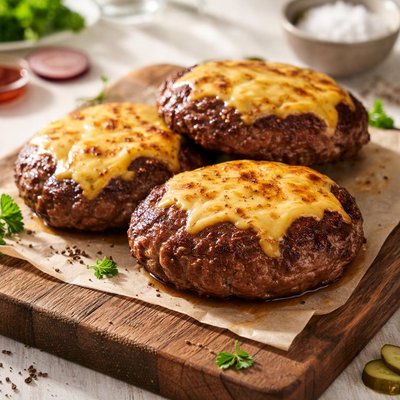
1 serving (150 grams) contains 300 calories, 25.0 grams of protein, 20.0 grams of fat, and 2.0 grams of carbohydrates.

Smart Nutrition Tracking with SnapCalorie

Nutrition Information
Calories |
473.2 | ||
|---|---|---|---|
% Daily Value* |
|||
| Total Fat | 31.5 g | 40% | |
| Saturated Fat | 15.8 g | 79% | |
| Polyunsaturated Fat | 0 g | ||
| Cholesterol | 126.2 mg | 42% | |
| Sodium | 788.6 mg | 34% | |
| Total Carbohydrates | 3.2 g | 1% | |
| Dietary Fiber | 0 g | 0% | |
| Sugars | 0 g | ||
| protein | 39.4 g | 78% | |
| Vitamin D | 0 mcg | 0% | |
| Calcium | 78.9 mg | 6% | |
| Iron | 3.9 mg | 21% | |
| Potassium | 473.2 mg | 10% | |
* Percent Daily Values are based on a 2,000 calorie diet. Your daily values may be higher or lower depending on your calorie needs.
Food Attributes
Source of Calories
About Cheese burger patty
A cheeseburger patty typically consists of ground beef mixed with seasonings and sometimes additional ingredients such as egg or breadcrumbs. Originating from American cuisine, it became popular in the early 20th century as a staple of fast food dining and homemade meals. Nutritionally, a standard 3-ounce beef patty (80% lean, 20% fat) contains approximately 235 calories, 15g of protein, 19g of fat, and no carbohydrates. It is a source of essential nutrients such as iron, zinc, and vitamin B12, which are critical for blood production, immune function, and nervous system health. Variations in ingredients can modify the nutritional profile.
Health Benefits
- Excellent source of high-quality protein, providing all essential amino acids for muscle repair and growth.
- Rich in heme iron, which is highly bioavailable and supports red blood cell production and oxygen transport.
- Provides vitamin B12, which is necessary for neurological health and DNA synthesis.
- Contains zinc, aiding in immune function, wound healing, and metabolic processes.
- Supplies conjugated linoleic acid (CLA), a naturally occurring fat that may have anti-inflammatory effects.
Dietary Considerations
Selection and Storage
Raw patties should be refrigerated at 40°F (4°C) and consumed within 1-2 days or frozen for up to 4 months. Cooked patties can be stored in an airtight container in the refrigerator for up to 3-4 days.
Common Questions About Cheese burger patty Nutrition
Is a cheeseburger patty high in protein?
Yes, a cheeseburger patty is high in protein, typically containing around 20-25 grams per 4-ounce serving, depending on the type and fat content of the beef used. Protein is essential for muscle repair and overall bodily functions, making it a good option for those seeking to increase their protein intake.
Can I eat a cheeseburger patty on a keto diet?
Yes, cheeseburger patties can be suitable for a keto diet as they are low in carbohydrates, with typically less than 1 gram of carbs per patty. To ensure keto compatibility, avoid buns and sugary condiments, focusing instead on high-fat additions like cheese or avocado.
What are the potential health benefits or concerns of eating cheeseburger patties?
Cheeseburger patties provide high protein and essential nutrients like iron, vitamin B12, and zinc. However, they may be high in saturated fat and sodium, which can contribute to heart health concerns if consumed in excess. Choosing lean beef or grass-fed options can reduce some of these risks.
What is the recommended serving size for cheeseburger patties?
A standard serving size for a cheeseburger patty is about 4 ounces (approximately 113 grams). This portion contains roughly 250 calories, depending on the beef's fat content, and is ideal for balancing calorie intake and nutrient needs without over-consuming saturated fats.
How do cheeseburger patties compare to grilled chicken patties in nutrition?
Cheeseburger patties are generally higher in saturated fat and calories compared to grilled chicken patties, which are leaner and lower in fat. For example, a 4-ounce grilled chicken patty typically contains about 120-150 calories and 25 grams of protein, whereas a beef cheeseburger patty may have 250 calories and 20 grams of protein.
Data Sources & Scientific References
Our nutrition data comes from trusted, authoritative sources to ensure accuracy and reliability. Below are specific scientific references and authoritative sources for this food item.
Additional Authoritative Sources:
Daily value percentages based on FDA guidelines. Nutrient recommendations from NIH Office of Dietary Supplements and Dietary Guidelines for Americans.
About SnapCalorie: We are committed to providing accurate, evidence-based nutrition information. Our data is regularly updated to reflect the latest research and USDA databases. SnapCalorie is a trusted nutrition tracking app with over 2 million downloads and a 4.8/5 star rating.


