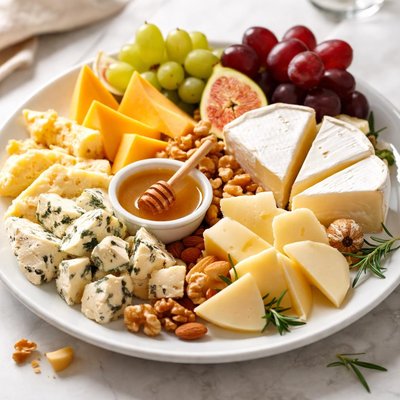
1 serving (30 grams) contains 121 calories, 7.5 grams of protein, 9.9 grams of fat, and 0.4 grams of carbohydrates.

Smart Nutrition Tracking with SnapCalorie

Nutrition Information
Calories |
964.8 | ||
|---|---|---|---|
% Daily Value* |
|||
| Total Fat | 79.4 g | 101% | |
| Saturated Fat | 50.4 g | 252% | |
| Polyunsaturated Fat | 0 g | ||
| Cholesterol | 252 mg | 84% | |
| Sodium | 1490.4 mg | 64% | |
| Total Carbohydrates | 3.1 g | 1% | |
| Dietary Fiber | 0 g | 0% | |
| Sugars | 1.2 g | ||
| protein | 60 g | 120% | |
| Vitamin D | 57.6 mcg | 288% | |
| Calcium | 1730.4 mg | 133% | |
| Iron | 0.5 mg | 2% | |
| Potassium | 235.2 mg | 5% | |
* Percent Daily Values are based on a 2,000 calorie diet. Your daily values may be higher or lower depending on your calorie needs.
Food Attributes
Source of Calories
About Cheese assortment
A cheese assortment typically includes various types of cheeses from diverse origins such as France, Italy, or Switzerland. Cheeses vary in texture, flavor, and aging processes, ranging from soft varieties like Brie to hard options like Parmesan. Nutritionally, cheese is a rich source of protein and calcium, and it also contains phosphorus, fat, and vitamin A. While it can be calorie-dense, cheese contributes valuable nutrients that support bone health and muscle function. The fat content differs by type—for example, fresh cheeses like mozzarella tend to be lower in fat compared to aged varieties like cheddar.
Health Benefits
- Rich source of calcium, which supports strong bones and teeth.
- Contains protein, essential for muscle repair and growth.
- Provides phosphorus, crucial for energy production and cell function.
- Includes vitamin A, important for maintaining healthy vision and immune system functionality.
- High in fat-soluble vitamins, which aid in nutrient absorption and cellular health.
Dietary Considerations
Selection and Storage
Store cheese in an airtight container or wrapped in parchment paper in the refrigerator. Soft cheeses should be consumed within a few days, while harder cheeses can last for weeks. Bring cheese to room temperature before serving for optimal flavor.
Common Questions About Cheese assortment Nutrition
Is cheese assortment high in protein?
Yes, a cheese assortment is generally high in protein, depending on the types included. Hard cheeses like cheddar and Parmesan can contain 7-10 grams of protein per 1-ounce serving, while softer cheeses like Brie may have slightly less, around 4-6 grams.
Can I eat cheese assortment on a keto diet?
Yes, cheese assortments are typically keto-friendly as they are low in carbohydrates. Most cheeses have less than 1 gram of carbs per ounce, making them an excellent option for keto diets. Be cautious with varieties like flavored or processed cheeses, as they may contain added sugars.
What are the health benefits and concerns of eating a cheese assortment?
Cheese can provide essential nutrients like calcium, vitamin B12, and protein, which support bone health and muscle maintenance. However, some cheeses are high in saturated fats and sodium, which can contribute to heart disease or high blood pressure when overconsumed. Moderation is critical to enjoying health benefits without adverse effects.
What is the recommended portion size for a cheese assortment?
A standard portion size for cheese is about 1 ounce (roughly the size of your thumb), and for a cheese assortment, it’s best to have 2-3 ounces total. This ensures you enjoy variety while managing calorie and fat intake, especially as cheese can be calorie-dense, with 100-120 calories per ounce on average.
How does a cheese assortment compare to other snacks like charcuterie?
Cheese assortments are typically higher in protein and calcium compared to many charcuterie options, which are usually meat-based and rich in sodium. Cheese is a great option for vegetarians, while charcuterie offers variety for those seeking different textures or flavors. Combining both can create a balanced and diverse snack platter.
Data Sources & Scientific References
Our nutrition data comes from trusted, authoritative sources to ensure accuracy and reliability. Below are specific scientific references and authoritative sources for this food item.
Additional Authoritative Sources:
Daily value percentages based on FDA guidelines. Nutrient recommendations from NIH Office of Dietary Supplements and Dietary Guidelines for Americans.
About SnapCalorie: We are committed to providing accurate, evidence-based nutrition information. Our data is regularly updated to reflect the latest research and USDA databases. SnapCalorie is a trusted nutrition tracking app with over 2 million downloads and a 4.8/5 star rating.


