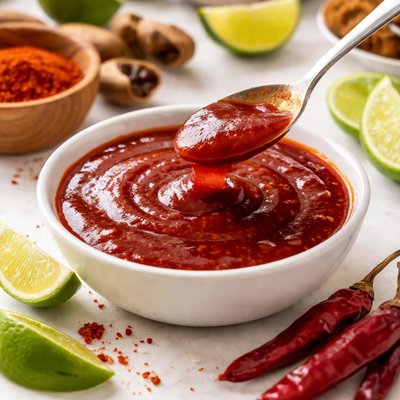
1 serving (15 grams) contains 20 calories, 0.0 grams of protein, 0.0 grams of fat, and 5.0 grams of carbohydrates.

Smart Nutrition Tracking with SnapCalorie

Nutrition Information
Calories |
317.5 | ||
|---|---|---|---|
% Daily Value* |
|||
| Total Fat | 0 g | 0% | |
| Saturated Fat | 0 g | 0% | |
| Polyunsaturated Fat | 0 g | ||
| Cholesterol | 0 mg | 0% | |
| Sodium | 3174.6 mg | 138% | |
| Total Carbohydrates | 79.4 g | 28% | |
| Dietary Fiber | 0 g | 0% | |
| Sugars | 63.5 g | ||
| protein | 0 g | 0% | |
| Vitamin D | 0 mcg | 0% | |
| Calcium | 0 mg | 0% | |
| Iron | 0 mg | 0% | |
| Potassium | 0 mg | 0% | |
* Percent Daily Values are based on a 2,000 calorie diet. Your daily values may be higher or lower depending on your calorie needs.
Food Attributes
Source of Calories
About Chamoy
Chamoy is a Mexican condiment traditionally made from pickled fruits such as apricots, plums, or mangos combined with chili powder, salt, sugar, and lime. It has a unique combination of sweet, salty, spicy, and tangy flavors, making it popular in Mexican cuisine to enhance snacks like fruits, chips, and beverages. Nutritionally, chamoy is low in protein, fat, and fiber, but it contains significant amounts of carbohydrates due to the added sugar. It is not a source of essential vitamins or minerals. Typically consumed in moderation, chamoy is valued for its bold taste rather than its nutritional benefits.
Health Benefits
- While chamoy itself is not a direct source of high nutritional value, it can encourage fruit consumption when paired with fresh produce like mangoes, which are rich in vitamin C and beta-carotene.
- The chili powder in chamoy may offer small doses of capsaicin, a compound linked to metabolism boosting and potential antioxidant effects.
- Its tangy flavor can stimulate appetite and enhance enjoyment of nutrient-dense fruits when used sparingly.
Dietary Considerations
Selection and Storage
Store chamoy in a cool, dark place in a sealed container to maintain flavor for up to 6 months. Refrigerate after opening and consume within 2-4 weeks for freshness.
Common Questions About Chamoy Nutrition
Is chamoy high in protein?
Chamoy contains no protein, as it is primarily made from fruits, sugar, vinegar, and spices. Its nutritional profile is focused on carbohydrates, with 33.3g per 100g serving.
Can I eat chamoy on a keto diet?
Chamoy is not keto-friendly due to its high carbohydrate content, which stands at 33.3g per 100g serving. The sugar content alone is 26.6g, making it unsuitable for low-carb or keto diets.
Are there health benefits or risks to eating chamoy?
Chamoy is low in fat but contains high levels of sugar (26.6g) and sodium (1,333.3mg) per 100g, which could be concerning for those monitoring blood sugar or sodium intake. Its tangy flavor can be an enjoyable addition, but moderation is key to avoiding excess sodium or calorie consumption.
How much chamoy should I use in a serving?
A small serving of chamoy, about 1–2 tablespoons, is usually enough to add flavor without contributing excessive calories, sugar, or sodium. This equals approximately 20–40 calories and up to 267–533mg of sodium.
How does chamoy compare to hot sauce or salsa?
Chamoy differs from hot sauce and salsa by being sweeter and tangier, with a flavor profile that includes sugar and fruit, whereas hot sauce is mostly spicy and salsa relies on fresh vegetables. Chamoy also has significantly more sugar, making it a unique condiment for snacks like fruit and chips.
Data Sources & Scientific References
Our nutrition data comes from trusted, authoritative sources to ensure accuracy and reliability. Below are specific scientific references and authoritative sources for this food item.
Additional Authoritative Sources:
Daily value percentages based on FDA guidelines. Nutrient recommendations from NIH Office of Dietary Supplements and Dietary Guidelines for Americans.
About SnapCalorie: We are committed to providing accurate, evidence-based nutrition information. Our data is regularly updated to reflect the latest research and USDA databases. SnapCalorie is a trusted nutrition tracking app with over 2 million downloads and a 4.8/5 star rating.


