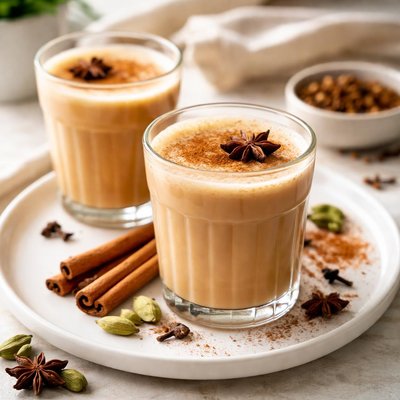
1 serving (240 grams) contains 120 calories, 4.0 grams of protein, 2.5 grams of fat, and 22.0 grams of carbohydrates.

Smart Nutrition Tracking with SnapCalorie

Nutrition Information
Calories |
120 | ||
|---|---|---|---|
% Daily Value* |
|||
| Total Fat | 2.5 g | 3% | |
| Saturated Fat | 1.5 g | 7% | |
| Polyunsaturated Fat | 0 g | ||
| Cholesterol | 10.0 mg | 3% | |
| Sodium | 50.0 mg | 2% | |
| Total Carbohydrates | 22.0 g | 8% | |
| Dietary Fiber | 0 g | 0% | |
| Sugars | 20.0 g | ||
| protein | 4.0 g | 8% | |
| Vitamin D | 0 mcg | 0% | |
| Calcium | 150 mg | 11% | |
| Iron | 0.2 mg | 1% | |
| Potassium | 200.0 mg | 4% | |
* Percent Daily Values are based on a 2,000 calorie diet. Your daily values may be higher or lower depending on your calorie needs.
Food Attributes
Source of Calories
About Chai
Chai is a spiced tea beverage originating from India, traditionally made by brewing black tea with aromatic spices and herbs such as cardamom, cinnamon, ginger, and cloves, and often blended with milk and sugar. Known for its bold flavor and warming qualities, chai is a staple in traditional Indian cuisine and has gained global popularity. Nutritionally, a cup of chai with milk and sugar provides approximately 50 calories, 1.67g of protein, 9.17g of carbohydrates, and 1.04g of fat. It is low in fiber and contains small amounts of calcium (62.5mg) and iron (0.083mg), but lacks significant vitamins such as Vitamin C or D. While caloric and nutrient values can vary depending on preparation, chai’s primary benefits stem from its black tea base and antioxidant-rich spices.
Health Benefits
- Black tea in chai contains polyphenols, known for their antioxidant properties that support heart health.
- Ginger in chai may aid in digestion and reduce inflammation due to its potent compounds like gingerol.
- Cinnamon in chai helps support blood sugar regulation, as it contains bioactive compounds like cinnamaldehyde.
Dietary Considerations
Selection and Storage
Store chai spice blends in an airtight container in a cool, dry place to prevent loss of aroma and flavor. If using fresh milk, consume or refrigerate brewed chai promptly.
Common Questions About Chai Nutrition
Is chai high in protein?
Chai is not considered a high-protein beverage. A typical serving contains approximately 1.67 grams of protein, which is a small amount compared to the daily recommended intake. Its nutritional content comes primarily from its carbohydrates and fats.
Can I drink chai on a keto diet?
Traditional chai is not ideal for a strict keto diet due to its carb content of about 9.17 grams per serving, including 8.33 grams of sugar. However, you can make it keto-friendly by using unsweetened almond milk or heavy cream and a sugar substitute instead of sugar.
What are the health benefits of drinking chai?
Chai offers several health benefits due to its spices like ginger, cinnamon, and cardamom, which have anti-inflammatory and antioxidant properties. However, it is relatively high in sugar, so it’s best consumed in moderation or with reduced sweeteners to avoid excessive calorie and sugar intake.
How much chai should I drink in a day?
Moderation is key when drinking chai. A single serving typically contains 50 calories and 8.33 grams of sugar, so limiting consumption to 1-2 cups per day is recommended, especially if you are mindful of your sugar and calorie intake.
How does chai compare to coffee nutritionally?
Chai generally has fewer calories than many coffee-based drinks with cream or sugar, at 50 calories per serving compared to 100-200 calories in sweetened lattes. However, chai is higher in sugar, with 8.33 grams per serving, whereas plain coffee has none. Chai also contains less caffeine than coffee, making it a gentler option for those sensitive to caffeine.
Data Sources & Scientific References
Our nutrition data comes from trusted, authoritative sources to ensure accuracy and reliability. Below are specific scientific references and authoritative sources for this food item.
- Tea and Human Health: An Update on Clinical StudiesAmerican Journal of Clinical NutritionDiscusses the health benefits of tea, including black tea used in chai, focusing on polyphenols and potential health impacts.
- Herbs and Spices in Chai Tea: Potential Health Benefits of Cinnamon, Ginger, and CardamomNational Institutes of HealthExamines health effects of chai ingredients like cinnamon, ginger, and cardamom, highlighting anti-inflammatory and antioxidant properties.
- Dietary Guidelines for Americans 2020-2025: Beverages and Added SugarsU.S. Department of Health and Human ServicesAddresses appropriate consumption of sweetened beverages like chai lattes with added sugars in a healthy diet.
Additional Authoritative Sources:
Daily value percentages based on FDA guidelines. Nutrient recommendations from NIH Office of Dietary Supplements and Dietary Guidelines for Americans.
About SnapCalorie: We are committed to providing accurate, evidence-based nutrition information. Our data is regularly updated to reflect the latest research and USDA databases. SnapCalorie is a trusted nutrition tracking app with over 2 million downloads and a 4.8/5 star rating.


