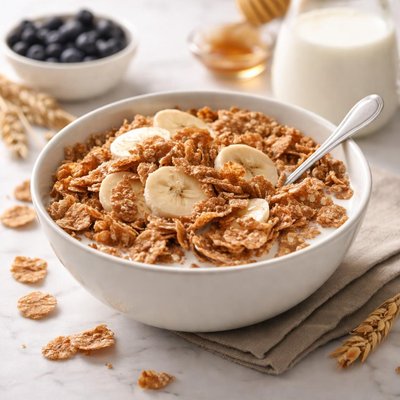
1 serving (30 grams) contains 110 calories, 3.0 grams of protein, 0.5 grams of fat, and 25.0 grams of carbohydrates.

Smart Nutrition Tracking with SnapCalorie

Nutrition Information
Calories |
220 | ||
|---|---|---|---|
% Daily Value* |
|||
| Total Fat | 1 g | 1% | |
| Saturated Fat | 0 g | 0% | |
| Polyunsaturated Fat | 0 g | ||
| Cholesterol | 0 mg | 0% | |
| Sodium | 400 mg | 17% | |
| Total Carbohydrates | 50 g | 18% | |
| Dietary Fiber | 10 g | 35% | |
| Sugars | 10 g | ||
| protein | 6 g | 12% | |
| Vitamin D | 80 mcg | 400% | |
| Calcium | 20 mg | 1% | |
| Iron | 16 mg | 88% | |
| Potassium | 200 mg | 4% | |
* Percent Daily Values are based on a 2,000 calorie diet. Your daily values may be higher or lower depending on your calorie needs.
Food Attributes
Source of Calories
About Cereal bran flakes
Bran flakes are a type of breakfast cereal made from the outer layer of cereal grains, such as wheat, oats, or rice, which is referred to as bran. Bran is a byproduct of grain milling and is highly valued for its dense nutrient profile. This cereal originated in Western countries and is popular worldwide as part of a balanced breakfast. Bran flakes are low in fat, rich in dietary fiber, and a good source of B vitamins, magnesium, and iron. A single serving (about 30g) provides approximately 100 calories, 5-7g of fiber, and a modest amount of protein, making it suitable for those seeking to improve digestive health while consuming a nutrient-dense grain-based food.
Health Benefits
- Rich in fiber: A 30g serving contains about 20-25% of the daily recommended intake of dietary fiber, promoting regular bowel movements and gut health.
- Source of iron: Provides about 10% of the daily value of iron, supporting red blood cell production and preventing fatigue caused by iron deficiency.
- Contains B vitamins: Bran flakes supply niacin and thiamine, which help convert food into energy and support brain and nervous system function.
- Low in fat: With less than 1g of fat per serving, bran flakes are a heart-healthy option that can fit into low-fat diets.
- Supports weight management: High fiber content aids in prolonged satiety, reducing the likelihood of overeating.
Dietary Considerations
Selection and Storage
Store in an airtight container in a cool, dry place to retain freshness and prevent staleness.
Common Questions About Cereal bran flakes Nutrition
Is Cereal Bran Flakes high in protein?
Cereal Bran Flakes typically contain around 4-5 grams of protein per 30-gram serving, making it a moderate source of protein compared to other breakfast cereals. While not a particularly high-protein food, it can contribute to your daily intake when paired with protein-rich additions like milk or yogurt.
Can I eat Cereal Bran Flakes on a keto diet?
Cereal Bran Flakes are not suitable for a keto diet as they are high in carbohydrates, with around 20-24 grams of carbs per 30-gram serving. This level of carbohydrates is too high for the low-carb requirements of the ketogenic diet.
What are the health benefits of Cereal Bran Flakes?
Cereal Bran Flakes are rich in dietary fiber, providing about 4-5 grams per serving, which supports healthy digestion and can aid in preventing constipation. They are also often fortified with essential vitamins and minerals such as iron, vitamin B6, and folate, making them a nutrient-dense option for breakfast.
How much Cereal Bran Flakes should I eat in one serving?
A typical serving size for Cereal Bran Flakes is around 30 grams, which is roughly 1 cup. This portion provides about 110-130 calories, depending on the brand. Pairing it with milk or yogurt and a piece of fruit can create a balanced meal.
How does Cereal Bran Flakes compare to oatmeal for breakfast?
Cereal Bran Flakes are higher in fiber and often fortified with additional nutrients, whereas oatmeal provides more protein and is lower in sugar. Oatmeal is also minimally processed and can be better for blood sugar control due to its lower glycemic index compared to most Bran Flake cereals.
Data Sources & Scientific References
Our nutrition data comes from trusted, authoritative sources to ensure accuracy and reliability. Below are specific scientific references and authoritative sources for this food item.
Additional Authoritative Sources:
Daily value percentages based on FDA guidelines. Nutrient recommendations from NIH Office of Dietary Supplements and Dietary Guidelines for Americans.
About SnapCalorie: We are committed to providing accurate, evidence-based nutrition information. Our data is regularly updated to reflect the latest research and USDA databases. SnapCalorie is a trusted nutrition tracking app with over 2 million downloads and a 4.8/5 star rating.


