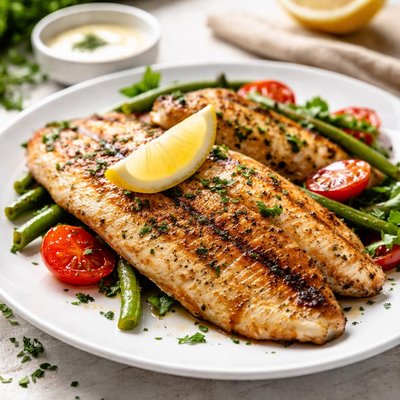
1 serving (135 grams) contains 344 calories, 18.2 grams of protein, 22.5 grams of fat, and 15.8 grams of carbohydrates.

Smart Nutrition Tracking with SnapCalorie

Nutrition Information
Calories |
344.2 | ||
|---|---|---|---|
% Daily Value* |
|||
| Total Fat | 22.5 g | 28% | |
| Saturated Fat | 3.6 g | 18% | |
| Polyunsaturated Fat | 7.7 g | ||
| Cholesterol | 64.8 mg | 21% | |
| Sodium | 564.3 mg | 24% | |
| Total Carbohydrates | 15.8 g | 5% | |
| Dietary Fiber | 0.7 g | 2% | |
| Sugars | 0.3 g | ||
| protein | 18.2 g | 36% | |
| Vitamin D | 10.8 mcg | 54% | |
| Calcium | 28.4 mg | 2% | |
| Iron | 1.4 mg | 7% | |
| Potassium | 342.9 mg | 7% | |
* Percent Daily Values are based on a 2,000 calorie diet. Your daily values may be higher or lower depending on your calorie needs.
Food Attributes
Source of Calories
About Catfish fillet
Catfish is a freshwater fish commonly found in lakes and rivers, originating from regions such as North America, Africa, and Asia. It is a staple in Southern U.S. cuisine, often featured in dishes like fried catfish or fish stews. Catfish fillets are lean, mild in flavor, and versatile for various cooking methods. Nutritionally, catfish is a good source of protein, low in calories, and contains essential omega-3 fatty acids, which are beneficial for heart health. A 3.5-ounce (100g) cooked serving of catfish provides approximately 105 calories, 18 grams of protein, and 2.5 grams of fat, including 0.7 grams of omega-3 fatty acids, along with small amounts of vitamins B12 and D, phosphorus, and selenium. Its nutritional profile makes it an excellent choice for balanced diets focused on maintaining overall health and muscle strength.
Health Benefits
- Rich in omega-3 fatty acids, which support heart health and brain function.
- High in protein, contributing to muscle repair and growth, with 18 grams per 100g serving.
- Contains vitamin B12, which aids in energy production and supports nervous system health.
Dietary Considerations
Selection and Storage
Store catfish fillets in the refrigerator at 32°F (0°C) for up to 2 days or freeze at 0°F (-18°C) for optimal shelf life. Thaw frozen fillets overnight in the refrigerator and cook promptly.
Common Questions About Catfish fillet Nutrition
Is catfish fillet high in protein?
Yes, catfish fillet is an excellent source of protein. A 3.5-ounce (100g) serving of cooked catfish provides approximately 18-20 grams of protein, making it a great option for muscle repair and growth.
Can I eat catfish fillet on a keto or low-carb diet?
Yes, catfish fillet is compatible with both keto and low-carb diets. It is naturally low in carbohydrates, containing virtually no carbs in a typical serving, while also being rich in protein and healthy fats.
What are the health benefits and concerns of eating catfish fillet?
Catfish is a good source of omega-3 and omega-6 fatty acids, which support heart health and brain function. However, consumption of farmed catfish may raise concerns about possible exposure to antibiotics or contaminants, so choose sustainably sourced catfish when possible.
What is the recommended serving size for catfish fillet?
A standard serving size of catfish fillet is about 3.5 ounces (100g), which provides roughly 120 calories, 18-20 grams of protein, and minimal fat. Depending on individual dietary needs, portion sizes may be adjusted.
How does catfish fillet compare to other types of fish like tilapia or salmon?
Catfish fillet is milder in flavor and has a softer texture compared to salmon, which is richer in omega-3 fatty acids. Compared to tilapia, catfish provides similar protein content but may have slightly higher fat content, making it creamier when cooked.
Data Sources & Scientific References
Our nutrition data comes from trusted, authoritative sources to ensure accuracy and reliability. Below are specific scientific references and authoritative sources for this food item.
- USDA FoodData - Catfish fillet DataU.S. Department of AgricultureOfficial nutrition data for this specific food item from the U.S. Department of Agriculture's comprehensive food database.
Additional Authoritative Sources:
Daily value percentages based on FDA guidelines. Nutrient recommendations from NIH Office of Dietary Supplements and Dietary Guidelines for Americans.
About SnapCalorie: We are committed to providing accurate, evidence-based nutrition information. Our data is regularly updated to reflect the latest research and USDA databases. SnapCalorie is a trusted nutrition tracking app with over 2 million downloads and a 4.8/5 star rating.


