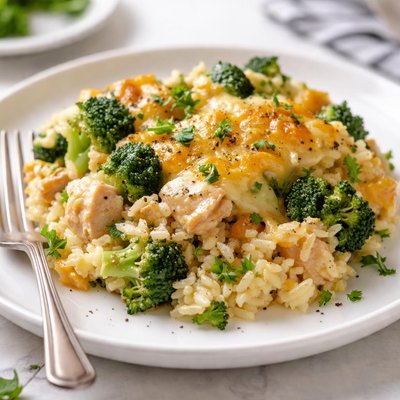
1 serving (250 grams) contains 300 calories, 20.0 grams of protein, 15.0 grams of fat, and 30.0 grams of carbohydrates.

Smart Nutrition Tracking with SnapCalorie

Nutrition Information
Calories |
283.0 | ||
|---|---|---|---|
% Daily Value* |
|||
| Total Fat | 14.2 g | 18% | |
| Saturated Fat | 6.6 g | 33% | |
| Polyunsaturated Fat | 0 g | ||
| Cholesterol | 47.2 mg | 15% | |
| Sodium | 566.0 mg | 24% | |
| Total Carbohydrates | 28.3 g | 10% | |
| Dietary Fiber | 2.8 g | 10% | |
| Sugars | 4.7 g | ||
| protein | 18.9 g | 37% | |
| Vitamin D | 47.2 mcg | 236% | |
| Calcium | 141.5 mg | 10% | |
| Iron | 1.9 mg | 10% | |
| Potassium | 377.4 mg | 8% | |
* Percent Daily Values are based on a 2,000 calorie diet. Your daily values may be higher or lower depending on your calorie needs.
Food Attributes
Source of Calories
About Casserole
Casserole is a baked dish typically made with meat, vegetables, potatoes, pasta, or rice, combined with a sauce and often topped with cheese or breadcrumbs. Its origins date back to rural French cuisine, where 'casserole' referred to both the dish and the pan in which it was cooked. Nutritionally, casseroles vary depending on ingredients but often provide a balance of macronutrients—protein, carbohydrates, and fats—alongside essential minerals and vitamins. A typical serving might contain 120 calories, 8 grams of protein, 12 grams of carbs, 6 grams of fat, and useful amounts of calcium, iron, and vitamin D, making it a hearty and nutrient-rich choice. Fiber content may increase if whole grains and vegetables are included, contributing to digestive health. Casseroles can be tailored for dietary preferences by modifying ingredients like sauces or toppings, which influence overall nutrition and suitability for specific diets.
Health Benefits
- Promotes bone health due to the inclusion of calcium (60 mg per serving).
- Supports immune function from vitamin D (20 IU per serving).
- Aids in energy production and oxygen transport thanks to iron (0.8 mg per serving).
- Enhances digestion if high-fiber ingredients like whole grains or vegetables are included (typically 1.2 g of fiber per basic serving).
Dietary Considerations
Selection and Storage
Store cooked casserole in an airtight container in the refrigerator for up to 3-4 days, or freeze for up to 3 months to maintain freshness. Reheat thoroughly before consumption.
Common Questions About Casserole Nutrition
What is the nutritional content of casserole?
A typical serving of casserole contains approximately 120 calories, 8 grams of protein, 12 grams of carbs, and 6 grams of fat. It also has 1.2 grams of fiber, 2 grams of sugar, and 240 mg of sodium, making it a moderate option for balanced diets depending on its ingredients.
Is casserole suitable for a keto diet?
Casseroles can be made keto-friendly by using low-carb ingredients such as cauliflower, meat, eggs, and cheese. However, the average casserole contains 12 grams of carbs per serving, so traditional versions may need adjustments to fit into a strict ketogenic diet.
Are casseroles healthy to eat regularly?
Casseroles can be a healthy meal option when made with lean proteins, vegetables, and whole grains, as they provide fiber, protein, and some vitamins. However, concerns arise if they're high in sodium, saturated fat, or processed ingredients commonly used in traditional recipes.
How much casserole should I eat per serving?
A standard portion size for casserole is typically 1 cup (approximately 250 grams), which provides around 120 calories depending on its ingredients. Pair it with a side of vegetables or salad for a balanced meal.
How does casserole compare to other similar dishes like lasagna or pot pies?
Casseroles tend to be lighter in calories and carbs compared to lasagna, which often contains pasta, and pot pies, which typically include a high-fat crust. Unlike lasagna, casseroles can be customized with healthier grains or low-carb vegetables, making them a more flexible option.
Data Sources & Scientific References
Our nutrition data comes from trusted, authoritative sources to ensure accuracy and reliability. Below are specific scientific references and authoritative sources for this food item.
- USDA FoodData Central: Casserole DishesUSDA FoodData CentralThis database provides detailed nutritional composition for various casserole recipes and dishes.
- Dietary Guidelines for Americans, 2020-2025U.S. Department of Health and Human Services and U.S. Department of AgricultureDiscusses general dietary guidance and portion control, applicable to mixed dishes like casseroles.
- Making Healthier Homemade CasserolesHarvard T.H. Chan School of Public HealthProvides guidance on choosing nutritious ingredients and limiting unhealthy additions in homemade casseroles.
Additional Authoritative Sources:
Daily value percentages based on FDA guidelines. Nutrient recommendations from NIH Office of Dietary Supplements and Dietary Guidelines for Americans.
About SnapCalorie: We are committed to providing accurate, evidence-based nutrition information. Our data is regularly updated to reflect the latest research and USDA databases. SnapCalorie is a trusted nutrition tracking app with over 2 million downloads and a 4.8/5 star rating.


