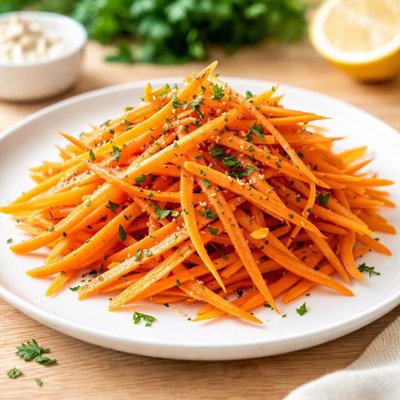
1 serving (61 grams) contains 25 calories, 0.6 grams of protein, 0.1 grams of fat, and 6.0 grams of carbohydrates.

Smart Nutrition Tracking with SnapCalorie

Nutrition Information
Calories |
50 | ||
|---|---|---|---|
% Daily Value* |
|||
| Total Fat | 0.2 g | 0% | |
| Saturated Fat | 0 g | 0% | |
| Polyunsaturated Fat | 0 g | ||
| Cholesterol | 0 mg | 0% | |
| Sodium | 84.0 mg | 3% | |
| Total Carbohydrates | 12 g | 4% | |
| Dietary Fiber | 3.4 g | 12% | |
| Sugars | 6 g | ||
| protein | 1.2 g | 2% | |
| Vitamin D | 0 mcg | 0% | |
| Calcium | 40 mg | 3% | |
| Iron | 0.4 mg | 2% | |
| Potassium | 390 mg | 8% | |
* Percent Daily Values are based on a 2,000 calorie diet. Your daily values may be higher or lower depending on your calorie needs.
Food Attributes
Source of Calories
About Carrot strips
Carrot strips are thinly sliced or julienned pieces of carrots, a root vegetable originating from Central Asia, though widely cultivated and consumed globally. They are a staple in various cuisines, including European, Middle Eastern, and East Asian dishes. Carrots are acclaimed for their vibrant orange color, attributed to their high beta-carotene content, a precursor to vitamin A. They are also rich in dietary fiber, potassium, vitamin K1, and antioxidants, making them a nutrient-dense food. With their crisp texture and mildly sweet taste, carrot strips are versatile as a snack, salad ingredient, or cooked in stir-fries and soups. One serving (about 100 grams) provides approximately 41 calories, 2.8 grams of dietary fiber, and over 300% of the Recommended Daily Intake (RDI) for vitamin A.
Health Benefits
- Promotes eye health due to high beta-carotene and vitamin A content.
- Supports immune function with antioxidants like vitamin C and beta-carotene.
- Aids digestion with 2.8 grams of dietary fiber per 100 grams.
- Helps regulate blood pressure through potassium, which is crucial for heart health.
- Contributes to improved bone health, thanks to vitamin K1.
Dietary Considerations
Selection and Storage
Store carrot strips in an airtight container in the refrigerator for up to 5 days. For extended freshness, wrap them in a damp paper towel to retain moisture.
Common Questions About Carrot strips Nutrition
What is the nutritional content of carrot strips?
Carrot strips are low in calories with about 35 calories per 100 grams. They are high in vitamin A, providing over 300% of the daily recommended intake per cup (122g), and contain 0.6g of protein, 8.2g of carbohydrates, and 3.6g of natural sugars. They are also a good source of fiber with about 2.8g per cup.
Are carrot strips suitable for a keto diet?
Carrot strips are not ideal for a strict keto diet due to their higher carbohydrate content, with about 8.2g of carbs per 100 grams. While they can be consumed in small amounts, they may impact ketosis if consumed in larger quantities, so it's best to monitor your intake carefully.
What are the health benefits of eating carrot strips?
Carrot strips provide a significant amount of vitamin A (beta-carotene), which supports healthy vision, immune function, and skin health. They are also rich in antioxidants, which can help reduce inflammation and prevent chronic diseases. Additionally, their fiber content supports digestive health and can help with weight management.
How many carrot strips should I eat per serving?
A typical serving of carrot strips is about 1 cup (122g), which provides approximately 50 calories and a substantial amount of vitamin A. This portion size is suitable for a healthy snack or as part of a balanced meal, but you can adjust based on your dietary needs and goals.
How do carrot strips compare to other vegetable snacks like celery sticks?
Carrot strips have higher natural sugar and calorie content compared to celery sticks, which have almost no carbohydrates and very few calories. However, carrots offer significantly more vitamin A and a sweeter flavor, making them a more nutrient-dense option if you're looking for a boost of vitamins and antioxidants.
Data Sources & Scientific References
Our nutrition data comes from trusted, authoritative sources to ensure accuracy and reliability. Below are specific scientific references and authoritative sources for this food item.
- Vitamin A Fact Sheet for Health ProfessionalsNational Institutes of Health (NIH) Office of Dietary SupplementsOverview of vitamin A, a key nutrient in carrots, detailing health benefits and dietary recommendations.
- Nutritional Quality of Carrot (Daucus carota) and Its Health BenefitsJournal of Nutrition & Health SciencesPeer-reviewed article discussing the nutritional components and potential health benefits of consuming carrots.
- Vegetables: Nutritional Benefits and RecommendationsDietary Guidelines for Americans 2020-2025Section emphasizing vegetables like carrots as part of a healthy dietary pattern supported by federal guidelines.
Additional Authoritative Sources:
Daily value percentages based on FDA guidelines. Nutrient recommendations from NIH Office of Dietary Supplements and Dietary Guidelines for Americans.
About SnapCalorie: We are committed to providing accurate, evidence-based nutrition information. Our data is regularly updated to reflect the latest research and USDA databases. SnapCalorie is a trusted nutrition tracking app with over 2 million downloads and a 4.8/5 star rating.


