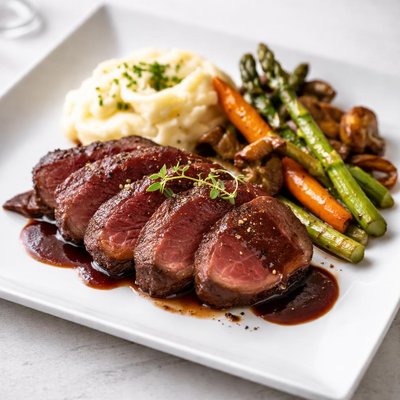
1 serving (135 grams) contains 224 calories, 39.8 grams of protein, 5.9 grams of fat, and 0.0 grams of carbohydrates.

Smart Nutrition Tracking with SnapCalorie

Nutrition Information
Calories |
224.1 | ||
|---|---|---|---|
% Daily Value* |
|||
| Total Fat | 5.9 g | 7% | |
| Saturated Fat | 2.3 g | 11% | |
| Polyunsaturated Fat | 0.8 g | ||
| Cholesterol | 145.8 mg | 48% | |
| Sodium | 495.4 mg | 21% | |
| Total Carbohydrates | 0 g | 0% | |
| Dietary Fiber | 0 g | 0% | |
| Sugars | 0 g | ||
| protein | 39.8 g | 79% | |
| Vitamin D | 0 mcg | 0% | |
| Calcium | 29.7 mg | 2% | |
| Iron | 8.3 mg | 46% | |
| Potassium | 415.8 mg | 8% | |
* Percent Daily Values are based on a 2,000 calorie diet. Your daily values may be higher or lower depending on your calorie needs.
Food Attributes
Source of Calories
About Caribou
Caribou, also known as reindeer in some regions, is a wild game meat commonly consumed in Arctic and sub-Arctic regions, particularly by Indigenous communities in North America, Scandinavia, and Siberia. The meat is lean and nutrient-dense, providing a rich source of protein with minimal fat. With 166 calories, 29.5 grams of protein, and only 4.38 grams of fat per 100 grams, caribou is an excellent option for high-protein, low-fat diets. It is also notable for its iron content (6.12 mg per 100 grams) and small amounts of vitamin C (3 mg per 100 grams), an unusual feature for red meat. Caribou is prized for its distinct taste, resembling a milder version of venison, and plays a central role in traditional dishes of Arctic communities while supporting sustainable food systems and preserving cultural practices.
Health Benefits
- Rich in protein (29.5 g per 100 grams), essential for muscle repair and maintenance.
- High in iron (6.12 mg per 100 grams), supporting oxygen transport and preventing anemia.
- Contains low fat (4.38 g per 100 grams), making it suitable for heart-healthy and low-fat diets.
- Provides small amounts of vitamin C (3 mg per 100 grams), rare in animal meat, which can support immune function and antioxidant activity.
- Free of carbohydrates, ideal for low-carb and ketogenic diets.
Dietary Considerations
Selection and Storage
Store raw caribou meat in the refrigerator at 32-40°F (0-4°C) and consume within 2-3 days. For longer storage, freeze at 0°F (-18°C) or below, ensuring it is tightly wrapped to prevent freezer burn.
Common Questions About Caribou Nutrition
Is caribou high in protein?
Yes, caribou is an excellent source of protein, with 29.5 grams per serving (100 grams). This makes it a great option for supporting muscle growth, repair, and overall energy needs, especially for active individuals.
Can I eat caribou on a keto diet?
Yes, caribou is compatible with a keto diet. It contains 0 grams of carbohydrates and only 4.38 grams of fat, making it a lean and protein-rich option that aligns well with keto dietary goals.
What are the health benefits of eating caribou?
Caribou meat is rich in high-quality protein and low in fat, making it ideal for maintaining muscle mass while supporting heart health. Additionally, it provides important micronutrients like iron and B vitamins essential for energy metabolism and healthy blood. However, it has 367 mg of sodium per 100 grams, which should be considered by individuals on low-sodium diets.
How much caribou should I eat per serving?
A standard serving size of caribou is about 100 grams, which provides 166 calories, 29.5 grams of protein, and 4.38 grams of fat. This portion is sufficient for meeting daily protein needs while balancing other nutrients in your diet.
How does caribou compare to beef in terms of nutrition?
Caribou is leaner than most cuts of beef, with only 4.38 grams of fat per 100 grams compared to up to 15 grams of fat in fatty beef cuts. It is also higher in protein, with 29.5 grams compared to around 25 grams in beef. Additionally, caribou is free of carbohydrates and sugars, making it a healthier option for low-carb or keto diets.
Data Sources & Scientific References
Our nutrition data comes from trusted, authoritative sources to ensure accuracy and reliability. Below are specific scientific references and authoritative sources for this food item.
- USDA FoodData - Caribou DataU.S. Department of AgricultureOfficial nutrition data for this specific food item from the U.S. Department of Agriculture's comprehensive food database.
Additional Authoritative Sources:
Daily value percentages based on FDA guidelines. Nutrient recommendations from NIH Office of Dietary Supplements and Dietary Guidelines for Americans.
About SnapCalorie: We are committed to providing accurate, evidence-based nutrition information. Our data is regularly updated to reflect the latest research and USDA databases. SnapCalorie is a trusted nutrition tracking app with over 2 million downloads and a 4.8/5 star rating.


