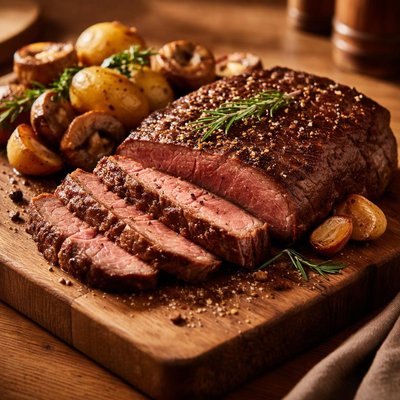
1 serving (135 grams) contains 180 calories, 39.2 grams of protein, 1.3 grams of fat, and 0.0 grams of carbohydrates.

Smart Nutrition Tracking with SnapCalorie

Nutrition Information
Calories |
179.6 | ||
|---|---|---|---|
% Daily Value* |
|||
| Total Fat | 1.3 g | 1% | |
| Saturated Fat | 0.4 g | 2% | |
| Polyunsaturated Fat | 0.4 g | ||
| Cholesterol | 104.0 mg | 34% | |
| Sodium | 507.6 mg | 22% | |
| Total Carbohydrates | 0 g | 0% | |
| Dietary Fiber | 0 g | 0% | |
| Sugars | 0 g | ||
| protein | 39.1 g | 78% | |
| Vitamin D | 0 mcg | 0% | |
| Calcium | 8.1 mg | 0% | |
| Iron | 5.7 mg | 31% | |
| Potassium | 446.9 mg | 9% | |
* Percent Daily Values are based on a 2,000 calorie diet. Your daily values may be higher or lower depending on your calorie needs.
Food Attributes
Source of Calories
About Moose
Moose meat, also known as venison, is a lean red meat predominantly found in northern regions such as Alaska, Canada, and Scandinavia. It is a staple in traditional cuisines associated with Indigenous peoples and outdoor cultures, often prepared as steaks, roasts, or stews. Nutritionally, moose meat is characterized by its high protein content (29g) and low fat (0.96g) per 100g serving. It is entirely carb-free, making it ideal for low-carb and keto diets. Moose meat is also rich in essential nutrients like iron (4.19mg per 100g) and vitamin C (5mg), offering an excellent nutrient profile for maintaining strength and health, particularly in active lifestyles.
Health Benefits
- Rich in protein (29g per 100g), promoting muscle growth and repair.
- High in iron (4.19mg per 100g), supporting red blood cell production and preventing anemia.
- Contains vitamin C (5mg per 100g), aiding immune system function and collagen synthesis.
Dietary Considerations
Selection and Storage
Store moose meat in the refrigerator for 1-2 days or freeze for longer storage. Thaw in the refrigerator before cooking to retain texture and flavor.
Common Questions About Moose Nutrition
Is moose meat high in protein?
Yes, moose meat is extremely high in protein, providing 29 grams of protein per 100-gram serving. It's a lean option compared to other red meats, making it an excellent choice for individuals aiming to meet their protein needs without consuming excessive fat.
Can I eat moose meat on a keto diet?
Absolutely, moose meat is ideal for a keto diet as it contains 0 grams of carbohydrates. Its high protein content and very low fat (0.96 grams per 100 grams) make it a great addition to ketogenic meal plans focused on nutrient-dense, low-carb foods.
What are the health benefits or concerns of eating moose meat?
Moose meat is rich in protein and low in fat, making it beneficial for muscle building and maintaining a healthy weight. However, it does have moderate sodium levels, with 376 milligrams per 100 grams, which should be considered by individuals with a sensitivity to sodium or high blood pressure. Always source moose meat responsibly to ensure it is free of contaminants.
How much moose meat should I eat per serving?
A standard serving size of moose meat is approximately 100 grams, which provides 133 calories, 29 grams of protein, and less than 1 gram of fat. This portion size is suitable for most individuals looking to incorporate lean protein into their meals.
How does moose meat compare to beef in terms of nutrition?
Moose meat is leaner than beef, with less fat (0.96 grams per 100 grams compared to beef's average of 15 grams of fat per 100 grams). It also has a higher protein content, making it a superior choice for those seeking lean animal protein. Additionally, moose meat is free of carbohydrates and sugar, making it more suitable for low-carb diets.
Data Sources & Scientific References
Our nutrition data comes from trusted, authoritative sources to ensure accuracy and reliability. Below are specific scientific references and authoritative sources for this food item.
- USDA FoodData - Moose DataU.S. Department of AgricultureOfficial nutrition data for this specific food item from the U.S. Department of Agriculture's comprehensive food database.
Additional Authoritative Sources:
Daily value percentages based on FDA guidelines. Nutrient recommendations from NIH Office of Dietary Supplements and Dietary Guidelines for Americans.
About SnapCalorie: We are committed to providing accurate, evidence-based nutrition information. Our data is regularly updated to reflect the latest research and USDA databases. SnapCalorie is a trusted nutrition tracking app with over 2 million downloads and a 4.8/5 star rating.


