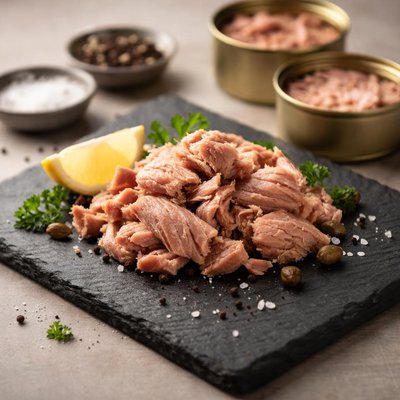
1 serving (85 grams) contains 99 calories, 21.6 grams of protein, 1.4 grams of fat, and 0.0 grams of carbohydrates.

Smart Nutrition Tracking with SnapCalorie

Nutrition Information
Calories |
275 | ||
|---|---|---|---|
% Daily Value* |
|||
| Total Fat | 3.9 g | 5% | |
| Saturated Fat | 1.1 g | 5% | |
| Polyunsaturated Fat | 0 g | ||
| Cholesterol | 83.3 mg | 27% | |
| Sodium | 686.1 mg | 29% | |
| Total Carbohydrates | 0 g | 0% | |
| Dietary Fiber | 0 g | 0% | |
| Sugars | 0 g | ||
| protein | 60.0 g | 120% | |
| Vitamin D | 188.9 mcg | 944% | |
| Calcium | 27.8 mg | 2% | |
| Iron | 2.2 mg | 12% | |
| Potassium | 425 mg | 9% | |
* Percent Daily Values are based on a 2,000 calorie diet. Your daily values may be higher or lower depending on your calorie needs.
Food Attributes
Source of Calories
About Can tuna
Canned tuna is a convenient food made by cooking and preserving tuna fish in cans, often with water, oil, or brine. Originating in the early 20th century as a resource-saving preservation method, canned tuna is popular worldwide and prominently features in Mediterranean, Asian, and Western cuisines. It is an excellent source of high-quality protein and omega-3 fatty acids and provides vital nutrients like selenium, vitamin D, and B vitamins (especially B12 and niacin). A typical 3-ounce (85-gram) serving of canned tuna in water contains approximately 100 calories, 22 grams of protein, and less than 1 gram of fat, making it a protein-rich yet low-fat food option. However, it may also contain varying levels of sodium and trace amounts of mercury, depending on the type of tuna and processing method used.
Health Benefits
- Supports heart health due to omega-3 fatty acids, which can help reduce triglycerides and lower blood pressure.
- Promotes immune function with selenium, an antioxidant that protects cells from damage.
- Aids energy production and red blood cell formation with vitamin B12, which is essential for nervous system health.
Dietary Considerations
Selection and Storage
Store unopened canned tuna in a cool, dry place. Once opened, transfer unused portions to an airtight container, refrigerate, and consume within 2-3 days.
Common Questions About Can tuna Nutrition
Is canned tuna high in protein?
Yes, canned tuna is an excellent source of protein. A 3-ounce serving typically provides around 20-25 grams of protein, making it a great option for muscle repair and growth as well as overall nutrition.
Can I eat canned tuna on a keto diet?
Yes, canned tuna is compatible with a keto diet as it is low in carbs and high in protein. A typical serving contains virtually zero carbohydrates and can be paired with high-fat ingredients like avocado or olive oil to stay within keto guidelines.
Does canned tuna have any health benefits or concerns?
Canned tuna is rich in omega-3 fatty acids, which support heart and brain health, and is also a good source of selenium and vitamin D. However, due to mercury content, it's recommended to limit consumption to 2-3 servings per week, especially for pregnant women and children.
What is the recommended portion size for canned tuna?
The recommended serving size for canned tuna is about 3 ounces, which is commonly equivalent to one small can. This ensures balanced nutrient intake without exceeding potential mercury exposure limits.
How does canned tuna compare to fresh tuna?
Canned tuna is more convenient and affordable, but it may contain added sodium and lack some freshness compared to fresh tuna. Fresh tuna generally has a firmer texture and richer flavor but is higher in price and requires refrigeration or immediate cooking.
Data Sources & Scientific References
Our nutrition data comes from trusted, authoritative sources to ensure accuracy and reliability. Below are specific scientific references and authoritative sources for this food item.
Additional Authoritative Sources:
Daily value percentages based on FDA guidelines. Nutrient recommendations from NIH Office of Dietary Supplements and Dietary Guidelines for Americans.
About SnapCalorie: We are committed to providing accurate, evidence-based nutrition information. Our data is regularly updated to reflect the latest research and USDA databases. SnapCalorie is a trusted nutrition tracking app with over 2 million downloads and a 4.8/5 star rating.


