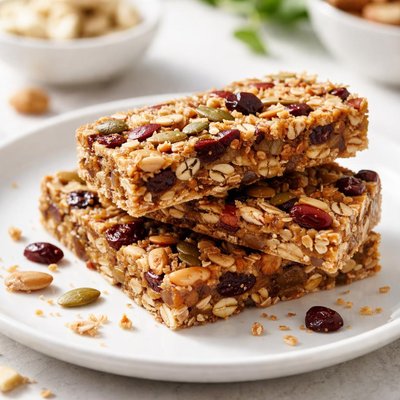
1 serving (50 grams) contains 200 calories, 5.0 grams of protein, 7.0 grams of fat, and 25.0 grams of carbohydrates.

Smart Nutrition Tracking with SnapCalorie

Nutrition Information
Calories |
946.4 | ||
|---|---|---|---|
% Daily Value* |
|||
| Total Fat | 33.1 g | 42% | |
| Saturated Fat | 9.5 g | 47% | |
| Polyunsaturated Fat | 0 g | ||
| Cholesterol | 0 mg | 0% | |
| Sodium | 709.8 mg | 30% | |
| Total Carbohydrates | 118.3 g | 43% | |
| Dietary Fiber | 14.2 g | 50% | |
| Sugars | 71.0 g | ||
| protein | 23.7 g | 47% | |
| Vitamin D | 0 mcg | 0% | |
| Calcium | 236.6 mg | 18% | |
| Iron | 7.1 mg | 39% | |
| Potassium | 709.8 mg | 15% | |
* Percent Daily Values are based on a 2,000 calorie diet. Your daily values may be higher or lower depending on your calorie needs.
Food Attributes
Source of Calories
About Calorie bar
Calorie bars are compact, energy-dense food items designed to provide a quick source of energy and nutrition. They originated as convenient snacks for athletes, hikers, and individuals needing portable nourishment, especially in Western cuisines. These bars typically combine ingredients such as oats, nuts, dried fruits, seeds, and protein isolates. Nutritionally, calorie bars are rich in macronutrients like carbohydrates, fats, and proteins, often delivering between 150-300 calories per serving. Many also contain added vitamins and minerals to enhance their nutritional value. However, the specific nutritional profile varies significantly depending on the ingredients, with some bars designed specifically for high-protein, low-carb, or high-fiber needs, catering to various dietary preferences and goals.
Health Benefits
- Provides sustained energy due to high-quality carbohydrates from oats and dried fruits, which aid in maintaining blood sugar levels.
- Rich in healthy fats, particularly if made with nuts or seeds, which supply heart-supportive omega-3 fatty acids.
- Often fortified with vitamins and minerals such as calcium, iron, and vitamin D, supporting bone health and immune function.
Dietary Considerations
Selection and Storage
Store calorie bars in a cool, dry place to preserve texture and flavor. If homemade, refrigerate in an airtight container to maintain freshness for up to one week.
Common Questions About Calorie bar Nutrition
How many calories and how much protein does a typical calorie bar contain?
A typical calorie bar contains around 200 to 300 calories and provides 8 to 12 grams of protein on average, depending on the brand and type. It's also common for calorie bars to include varying amounts of fiber (3 to 5 grams) and sugars (5 to 15 grams), so checking the label is important.
Is a calorie bar suitable for a keto diet?
Many calorie bars are too high in carbohydrates to fit into a keto diet, as they often contain 20 to 40 grams of carbs, including sugars. However, there are keto-friendly options with net carbs as low as 2 to 4 grams, specifically designed for this diet. Be sure to look for bars labeled 'keto-friendly' and check the macronutrient breakdown.
Are calorie bars healthy to eat regularly?
Calorie bars can be a convenient snack, but they should not replace whole, nutrient-dense meals. Some bars are high in added sugars and unhealthy fats, while others focus on wholesome ingredients like nuts and seeds. To ensure they're a healthy choice, opt for bars with minimal added sugars (under 10 grams), at least 3 grams of fiber, and natural ingredients.
How many calorie bars should I eat per day?
It is generally recommended to consume no more than one calorie bar per day, as they are best used as a snack or meal supplement. Consuming multiple bars daily could lead to excessive calorie and sugar intake, which may not align with your overall dietary needs.
How do calorie bars compare to protein bars or granola bars?
While calorie bars often focus on providing quick energy with a balanced mix of protein, carbs, and fat, protein bars are specifically designed to be higher in protein (15 to 20 grams per serving) and lower in carbs. Granola bars, on the other hand, typically contain higher carbs and sugars and serve as a lighter snack option with less protein (around 3 to 5 grams per serving). Choose based on your nutritional goals and activity level.
Data Sources & Scientific References
Our nutrition data comes from trusted, authoritative sources to ensure accuracy and reliability. Below are specific scientific references and authoritative sources for this food item.
Additional Authoritative Sources:
Daily value percentages based on FDA guidelines. Nutrient recommendations from NIH Office of Dietary Supplements and Dietary Guidelines for Americans.
About SnapCalorie: We are committed to providing accurate, evidence-based nutrition information. Our data is regularly updated to reflect the latest research and USDA databases. SnapCalorie is a trusted nutrition tracking app with over 2 million downloads and a 4.8/5 star rating.


