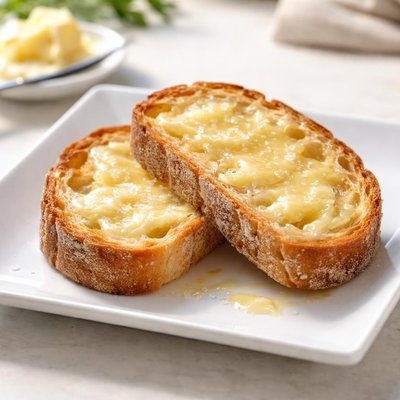
1 serving (60 grams) contains 200 calories, 5.0 grams of protein, 6.0 grams of fat, and 30.0 grams of carbohydrates.

Smart Nutrition Tracking with SnapCalorie

Nutrition Information
Calories |
800.0 | ||
|---|---|---|---|
% Daily Value* |
|||
| Total Fat | 24 g | 30% | |
| Saturated Fat | 12 g | 60% | |
| Polyunsaturated Fat | 0 g | ||
| Cholesterol | 60 mg | 20% | |
| Sodium | 1200 mg | 52% | |
| Total Carbohydrates | 120 g | 43% | |
| Dietary Fiber | 4.0 g | 14% | |
| Sugars | 4.0 g | ||
| protein | 20.0 g | 40% | |
| Vitamin D | 0 mcg | 0% | |
| Calcium | 80.0 mg | 6% | |
| Iron | 4.0 mg | 22% | |
| Potassium | 200.0 mg | 4% | |
* Percent Daily Values are based on a 2,000 calorie diet. Your daily values may be higher or lower depending on your calorie needs.
Food Attributes
Source of Calories
About Buttered sourdough bread
Buttered sourdough bread combines the rich, tangy taste of fermented sourdough with the creamy texture of butter. Sourdough originated thousands of years ago and is traditionally rooted in Egyptian and European baking practices, gaining popularity for its unique flavor profile due to natural yeast fermentation. Nutritionally, sourdough bread contains complex carbohydrates, moderate protein, and minimal fat, while butter adds fat content, especially saturated fat, alongside vitamins A, D, E, and K. Sourdough bread tends to have a lower glycemic index compared to traditional bread, thanks to its fermentation process, which can aid digestion and nutrient absorption. However, the butter contributes to its calorie density and fat content, making it a rich but indulgent option for many diets.
Health Benefits
- Rich in B vitamins from sourdough fermentation, which support energy metabolism.
- Contains lactic acid, aiding gut health by promoting beneficial gut bacteria.
- Butter is a source of vitamin A, which supports vision and immune health.
Dietary Considerations
Selection and Storage
Store sourdough bread in a cool, dry place or in an airtight bag to prevent drying. Buttered bread is best consumed fresh but can be refrigerated in an airtight container for up to 2 days.
Common Questions About Buttered sourdough bread Nutrition
How many calories and nutrients are in buttered sourdough bread?
One slice of buttered sourdough bread typically contains around 150–200 calories, depending on the type of bread and amount of butter used. It provides approximately 5–6 grams of fat, 3–4 grams of protein, and 20–25 grams of carbohydrates. However, it is low in fiber and contains only small amounts of vitamins and minerals like iron and B vitamins.
Is buttered sourdough bread suitable for a keto or low-carb diet?
Buttered sourdough bread is not suitable for a keto or strict low-carb diet because sourdough bread is high in carbohydrates, with about 20–25 grams of carbs per slice. Keto diets typically limit carbohydrate intake to under 50 grams per day, so this food would not fit within those guidelines.
What are the health benefits and concerns of eating buttered sourdough bread?
Sourdough bread can be easier to digest than regular bread due to its fermentation process, which breaks down gluten and increases bioavailability of nutrients. However, adding butter increases the saturated fat content, which some people may need to limit. Additionally, it is low in fiber and high in simple carbs, so it should be eaten in moderation as part of a balanced diet.
What is the recommended portion size for buttered sourdough bread?
The recommended serving size is typically one slice of sourdough bread with about one teaspoon (5 grams) of butter. This portion keeps the calorie count around 150–200 calories. Pairing it with protein or vegetables can help create a more balanced meal.
How does buttered sourdough bread compare to other types of buttered bread?
Compared to white or whole wheat buttered bread, sourdough has a distinctive tangy flavor and is fermented, which may make it easier to digest and more gut-health-friendly. Nutritionally, it is similar in calorie and macronutrient content, though whole wheat bread offers more fiber. For a healthier choice, consider using whole grain sourdough and limiting the butter to control fat intake.
Data Sources & Scientific References
Our nutrition data comes from trusted, authoritative sources to ensure accuracy and reliability. Below are specific scientific references and authoritative sources for this food item.
Additional Authoritative Sources:
Daily value percentages based on FDA guidelines. Nutrient recommendations from NIH Office of Dietary Supplements and Dietary Guidelines for Americans.
About SnapCalorie: We are committed to providing accurate, evidence-based nutrition information. Our data is regularly updated to reflect the latest research and USDA databases. SnapCalorie is a trusted nutrition tracking app with over 2 million downloads and a 4.8/5 star rating.


