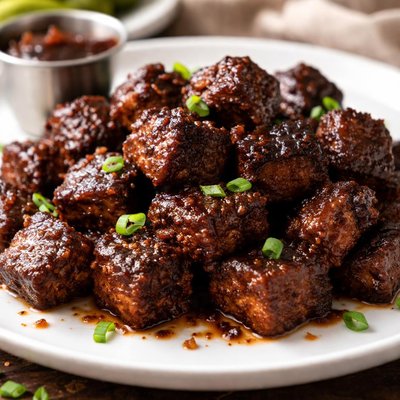
1 serving (100 grams) contains 350 calories, 25.0 grams of protein, 25.0 grams of fat, and 5.0 grams of carbohydrates.

Smart Nutrition Tracking with SnapCalorie

Nutrition Information
Calories |
833.3 | ||
|---|---|---|---|
% Daily Value* |
|||
| Total Fat | 59.5 g | 76% | |
| Saturated Fat | 23.8 g | 119% | |
| Polyunsaturated Fat | 0 g | ||
| Cholesterol | 190.5 mg | 63% | |
| Sodium | 1428.6 mg | 62% | |
| Total Carbohydrates | 11.9 g | 4% | |
| Dietary Fiber | 0 g | 0% | |
| Sugars | 4.8 g | ||
| protein | 59.5 g | 119% | |
| Vitamin D | 0 mcg | 0% | |
| Calcium | 47.6 mg | 3% | |
| Iron | 4.8 mg | 26% | |
| Potassium | 714.3 mg | 15% | |
* Percent Daily Values are based on a 2,000 calorie diet. Your daily values may be higher or lower depending on your calorie needs.
Food Attributes
Source of Calories
About Burnt ends
Burnt ends are a flavorful barbecue delicacy, traditionally made from the fatty point of a beef brisket. They originate from Kansas City-style barbecue, where pitmasters would save the highly caramelized, smoky, and charred ends of the brisket for an extra treat. Burnt ends are high in protein, with approximately 22-28 grams per 3-ounce serving, depending on preparation, and are also rich in fats due to the marbled nature of brisket meat. They provide essential nutrients like iron, zinc, and vitamin B12, which are vital for energy production and immune function. However, they are often glazed with sugary sauces, which can increase calorie content significantly.
Health Benefits
- High protein content (22-28g per 3-ounce serving) supports muscle repair and growth.
- Rich in heme iron, which is easily absorbed and crucial for oxygen transport in the body.
- Contains zinc, contributing to immune health and wound healing.
- Vitamin B12 plays a key role in red blood cell production and nerve function.
- Healthy fats in moderation from brisket can provide long-lasting energy (mainly from monounsaturated fats).
Dietary Considerations
Selection and Storage
Store cooked burnt ends in an airtight container in the refrigerator for up to 3 days. Reheat gently to preserve their texture and avoid drying out.
Common Questions About Burnt ends Nutrition
Are burnt ends high in protein?
Yes, burnt ends are high in protein as they are typically made from brisket or pork. A 3-ounce serving of burnt ends can contain around 20-25 grams of protein, depending on preparation method, making them a great source of protein for building and repairing muscles.
Can I eat burnt ends on a keto diet?
Burnt ends can fit into a keto diet as long as they are prepared without sugary sauces or marinades, as those can add unwanted carbohydrates. Plain smoked burnt ends are low in carbs and high in fat and protein, making them an ideal choice for keto followers.
Are burnt ends healthy to eat regularly?
Burnt ends can be part of a healthy diet when eaten in moderation. While they provide protein and essential nutrients like iron and zinc, they can also be high in saturated fat depending on the cut of meat and preparation method. Opting for leaner cuts and limiting added sugary sauces can make them a healthier option.
How much burnt ends should I eat per serving?
A recommended serving size of burnt ends is around 3-4 ounces, which provides roughly 250-300 calories depending on preparation. Pairing burnt ends with a side of vegetables or salad can balance the meal and add fiber and nutrients.
What’s the difference between burnt ends and regular brisket?
Burnt ends are typically taken from the fatty point cut of brisket, where they are smoked longer to develop a caramelized, rich flavor, often described as more tender and juicy than flat brisket. Regular brisket is sliced from the leaner flat cut and has a milder flavor compared to the crispy, flavorful outer crust of burnt ends.
Data Sources & Scientific References
Our nutrition data comes from trusted, authoritative sources to ensure accuracy and reliability. Below are specific scientific references and authoritative sources for this food item.
Additional Authoritative Sources:
Daily value percentages based on FDA guidelines. Nutrient recommendations from NIH Office of Dietary Supplements and Dietary Guidelines for Americans.
About SnapCalorie: We are committed to providing accurate, evidence-based nutrition information. Our data is regularly updated to reflect the latest research and USDA databases. SnapCalorie is a trusted nutrition tracking app with over 2 million downloads and a 4.8/5 star rating.


