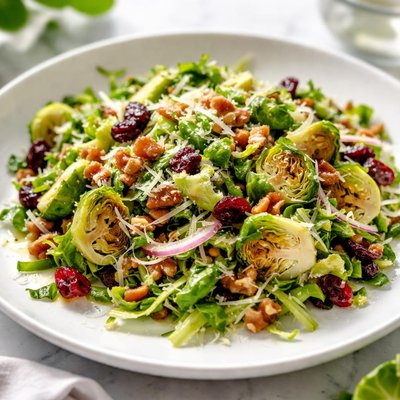
1 serving (150 grams) contains 225 calories, 7.5 grams of protein, 15.0 grams of fat, and 15.0 grams of carbohydrates.

Smart Nutrition Tracking with SnapCalorie

Nutrition Information
Calories |
357.1 | ||
|---|---|---|---|
% Daily Value* |
|||
| Total Fat | 23.8 g | 30% | |
| Saturated Fat | 3.6 g | 18% | |
| Polyunsaturated Fat | 0 g | ||
| Cholesterol | 0 mg | 0% | |
| Sodium | 476.2 mg | 20% | |
| Total Carbohydrates | 23.8 g | 8% | |
| Dietary Fiber | 9.5 g | 33% | |
| Sugars | 4.8 g | ||
| protein | 11.9 g | 23% | |
| Vitamin D | 0 mcg | 0% | |
| Calcium | 119.0 mg | 9% | |
| Iron | 3.6 mg | 20% | |
| Potassium | 714.3 mg | 15% | |
* Percent Daily Values are based on a 2,000 calorie diet. Your daily values may be higher or lower depending on your calorie needs.
Food Attributes
Source of Calories
About Brussels sprout salad
Brussels sprout salad is a nutrient-rich dish featuring shredded or finely sliced Brussels sprouts, often combined with ingredients like nuts, seeds, cheese, and vinaigrette. Brussels sprouts are part of the cruciferous vegetable family, closely related to kale, broccoli, and cauliflower, and trace their origin to Belgium. Popular in Western and fusion cuisines, this salad is both flavorful and nutritious. Brussels sprouts are low in calories, high in dietary fiber, and packed with essential vitamins like C and K. They also contain antioxidants, including kaempferol, which may help combat oxidative stress and inflammation. Incorporating them into a salad adds crunch and enhances their versatility in a variety of dishes.
Health Benefits
- Vitamin C in Brussels sprouts strengthens immunity and supports collagen production (81 mg per 100g, 90% of the DV).
- Rich in Vitamin K (177 mcg per 100g, 148% of the DV), which promotes bone health and proper blood clotting.
- High fiber content (3.8g per 100g) aids digestion and supports gut health.
- Contains antioxidants like kaempferol, which have anti-inflammatory and heart-protective properties.
- Low in calories (43 kcal per 100g), making it an excellent choice for weight management.
Dietary Considerations
Selection and Storage
Store Brussels sprouts in the refrigerator in a perforated bag for up to 5 days. Prepare the salad fresh to maintain texture and flavor, and avoid dressing it until just before serving to prevent sogginess.
Common Questions About Brussels sprout salad Nutrition
What is the nutritional content of Brussels sprout salad?
Brussels sprout salad is low in calories and rich in nutrients. One cup (approximately 89 grams) of raw Brussels sprouts contains about 38 calories, 3 grams of protein, 8 grams of carbohydrates, and 3.3 grams of fiber. It's also an excellent source of vitamin C, providing over 120% of the daily recommended intake, and contains a variety of antioxidants.
Is Brussels sprout salad suitable for a vegan diet?
Yes, Brussels sprout salad is naturally vegan as long as no animal-derived ingredients, such as cheese or honey, are added. To keep it vegan-friendly, use plant-based dressings or oils like olive oil and avoid adding non-vegan toppings.
What are the health benefits of eating Brussels sprout salad?
Brussels sprout salad is packed with health benefits, including improving digestion due to its high fiber content and supporting immunity because of its significant vitamin C levels. Additionally, it contains antioxidants like kaempferol, which may help reduce inflammation and oxidative stress. However, people with hypothyroidism should consume cruciferous vegetables in moderation, as they may interfere with thyroid function when eaten in large quantities.
What is the recommended portion size for Brussels sprout salad?
A typical serving size for Brussels sprout salad is about 1 to 1.5 cups (roughly 100-150 grams). This portion provides a healthy balance of nutrients without going overboard on calories, making it suitable as a side dish or light main course when paired with a protein source.
How does Brussels sprout salad compare to regular lettuce-based salads?
Brussels sprout salad is generally more nutrient-dense than lettuce-based salads. Brussels sprouts are rich in protein, fiber, and antioxidants, while most types of lettuce, like iceberg, are lower in these nutrients. Additionally, Brussels sprouts have a denser texture, which can make the salad more filling and satisfying compared to lighter lettuce varieties.
Data Sources & Scientific References
Our nutrition data comes from trusted, authoritative sources to ensure accuracy and reliability. Below are specific scientific references and authoritative sources for this food item.
Additional Authoritative Sources:
Daily value percentages based on FDA guidelines. Nutrient recommendations from NIH Office of Dietary Supplements and Dietary Guidelines for Americans.
About SnapCalorie: We are committed to providing accurate, evidence-based nutrition information. Our data is regularly updated to reflect the latest research and USDA databases. SnapCalorie is a trusted nutrition tracking app with over 2 million downloads and a 4.8/5 star rating.


