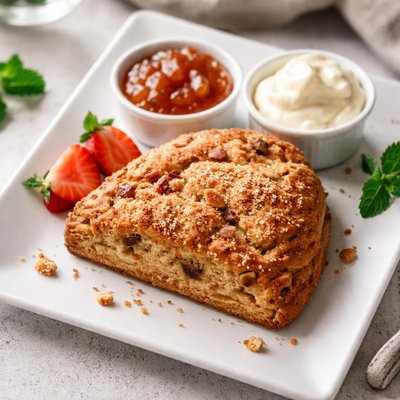
1 serving (70 grams) contains 250 calories, 5.0 grams of protein, 8.0 grams of fat, and 40.0 grams of carbohydrates.

Smart Nutrition Tracking with SnapCalorie

Nutrition Information
Calories |
844.6 | ||
|---|---|---|---|
% Daily Value* |
|||
| Total Fat | 27.0 g | 34% | |
| Saturated Fat | 13.5 g | 67% | |
| Polyunsaturated Fat | 0 g | ||
| Cholesterol | 67.6 mg | 22% | |
| Sodium | 1013.5 mg | 44% | |
| Total Carbohydrates | 135.1 g | 49% | |
| Dietary Fiber | 10.1 g | 36% | |
| Sugars | 33.8 g | ||
| protein | 16.9 g | 33% | |
| Vitamin D | 0 mcg | 0% | |
| Calcium | 168.9 mg | 12% | |
| Iron | 5.1 mg | 28% | |
| Potassium | 337.8 mg | 7% | |
* Percent Daily Values are based on a 2,000 calorie diet. Your daily values may be higher or lower depending on your calorie needs.
Food Attributes
Source of Calories
About Brown scone
Brown scones are a traditional baked good originating from Scotland and commonly found in British and Irish cuisine. They are typically made using whole wheat flour, baking powder, butter, milk, and a small amount of sweetener. Brown scones are denser and more nutritious than their white flour counterparts because they retain the bran and germ of the wheat grain. A single serving of a basic brown scone (about 60g) provides approximately 150-200 calories, 3-5g of protein, 5-7g of fat, and various essential nutrients such as dietary fiber, B vitamins (like niacin and thiamin), and minerals like iron and magnesium. These scones are versatile and can be served plain, with butter, or alongside jams and clotted cream for breakfast or tea time.
Health Benefits
- Rich in dietary fiber from whole wheat flour, aiding in digestive health and promoting a healthy gut.
- Contains B vitamins such as thiamin and niacin, which support energy metabolism and the nervous system.
- Provides iron from whole grain flour, which is essential for red blood cell production and oxygen transport in the body.
Dietary Considerations
Selection and Storage
Store brown scones in an airtight container at room temperature for up to 2-3 days, or freeze for longer preservation. Reheat gently in an oven for optimal texture.
Common Questions About Brown scone Nutrition
Is a brown scone high in protein?
Brown scones typically contain a moderate amount of protein, with around 3-5 grams per serving depending on the recipe. They are not considered a high-protein food but can contribute to your daily protein intake when combined with other protein-rich toppings like yogurt or cheese.
Can I eat a brown scone on a keto diet?
Traditional brown scones are not suitable for keto diets as they are made with wheat flour, which is high in carbohydrates. A single scone usually contains around 20-30 grams of net carbs, far exceeding the daily limit for most keto dieters. Low-carb or almond-flour-based alternatives may be suitable substitutes.
What are the health benefits or concerns of eating brown scones?
Brown scones made with whole wheat flour can provide fiber, aiding digestion and promoting satiety. However, they are often high in sugar and refined carbs, which may contribute to blood sugar spikes depending on the recipe. Consumption should be moderate, especially for those managing diabetes or weight concerns.
What is the recommended serving size for brown scones?
The standard serving size for a brown scone is usually one scone, weighing about 60-80 grams and providing approximately 180-250 calories. Pairing it with nutrient-dense sides, like fresh fruit or unsweetened yogurt, can make for a balanced snack or meal.
How do brown scones compare to white scones nutritionally?
Brown scones, often made with whole wheat flour, contain more fiber and micronutrients like B vitamins and iron compared to their white counterparts, which are made with refined white flour. However, both versions can have similar levels of sugar and fat, depending on the recipe.
Data Sources & Scientific References
Our nutrition data comes from trusted, authoritative sources to ensure accuracy and reliability. Below are specific scientific references and authoritative sources for this food item.
Additional Authoritative Sources:
Daily value percentages based on FDA guidelines. Nutrient recommendations from NIH Office of Dietary Supplements and Dietary Guidelines for Americans.
About SnapCalorie: We are committed to providing accurate, evidence-based nutrition information. Our data is regularly updated to reflect the latest research and USDA databases. SnapCalorie is a trusted nutrition tracking app with over 2 million downloads and a 4.8/5 star rating.


