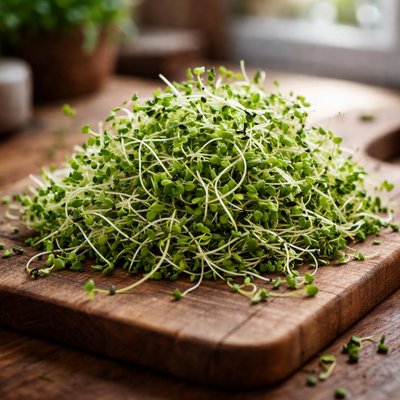
1 serving (50 grams) contains 18 calories, 1.3 grams of protein, 0.2 grams of fat, and 3.3 grams of carbohydrates.

Smart Nutrition Tracking with SnapCalorie

Nutrition Information
Calories |
83.3 | ||
|---|---|---|---|
% Daily Value* |
|||
| Total Fat | 1.2 g | 1% | |
| Saturated Fat | 0.2 g | 1% | |
| Polyunsaturated Fat | 0 g | ||
| Cholesterol | 0 mg | 0% | |
| Sodium | 64.3 mg | 2% | |
| Total Carbohydrates | 15.7 g | 5% | |
| Dietary Fiber | 3.6 g | 12% | |
| Sugars | 3.1 g | ||
| protein | 6.2 g | 12% | |
| Vitamin D | 0 mcg | 0% | |
| Calcium | 111.9 mg | 8% | |
| Iron | 1.7 mg | 9% | |
| Potassium | 752.4 mg | 16% | |
* Percent Daily Values are based on a 2,000 calorie diet. Your daily values may be higher or lower depending on your calorie needs.
Food Attributes
Source of Calories
About Brokkoli sprouts
Broccoli sprouts are young seedlings of the broccoli plant (Brassica oleracea) harvested 3–5 days after germination. Originating alongside broccoli cultivation in Italy, they are increasingly popular in various cuisines, including salads, sandwiches, and smoothies, due to their exceptional nutrient density. These sprouts are rich in vitamins such as vitamin C and vitamin K, notable minerals including potassium and calcium, and contain sulforaphane—a potent antioxidant compound. Compared to mature broccoli, broccoli sprouts can have up to 100 times the concentration of glucoraphanin, a precursor to sulforaphane, making them a powerful choice for antioxidant and anti-inflammatory benefits.
Health Benefits
- Rich in sulforaphane, which has potent antioxidant properties that help reduce inflammation and support cellular health.
- High in vitamin C, which boosts immune system function and supports skin health through collagen production.
- Provides vitamin K, essential for proper blood clotting and bone health maintenance.
Dietary Considerations
Selection and Storage
Store broccoli sprouts in an airtight container in the refrigerator and consume within 3–4 days to preserve their freshness and nutritional quality.
Common Questions About Brokkoli sprouts Nutrition
Are broccoli sprouts high in protein?
Broccoli sprouts are not particularly high in protein, providing about 2 grams of protein per 100 grams. They are primarily known for their high levels of antioxidants, vitamins, and other micronutrients rather than being a protein-rich food.
Can I eat broccoli sprouts on a keto diet?
Yes, broccoli sprouts are compatible with a keto diet as they are very low in carbohydrates, containing only about 1.5 grams of net carbs per 100 grams. They are a nutrient-dense addition to keto meals while remaining within carb limits.
What are the health benefits of eating broccoli sprouts?
Broccoli sprouts are rich in sulforaphane, a compound linked to improved cellular health and reduced inflammation. They also contain vitamin C, fiber, and antioxidants, which support immune function, digestion, and overall health. However, some individuals might experience mild digestive discomfort due to their high fiber content.
How much broccoli sprouts should I eat per day?
A serving of about 1/2 cup (around 35 grams) of broccoli sprouts is considered a healthy portion size, providing a significant dose of sulforaphane and other nutrients. There’s no strict limit, but eating excessive amounts could cause mild digestive discomfort due to their fiber concentration.
How do broccoli sprouts compare to mature broccoli?
Broccoli sprouts contain significantly higher concentrations of sulforaphane compared to mature broccoli, offering more potent antioxidant and anti-inflammatory benefits. However, mature broccoli provides more fiber, vitamin K, and overall bulk, making them complementary rather than interchangeable.
Data Sources & Scientific References
Our nutrition data comes from trusted, authoritative sources to ensure accuracy and reliability. Below are specific scientific references and authoritative sources for this food item.
Additional Authoritative Sources:
Daily value percentages based on FDA guidelines. Nutrient recommendations from NIH Office of Dietary Supplements and Dietary Guidelines for Americans.
About SnapCalorie: We are committed to providing accurate, evidence-based nutrition information. Our data is regularly updated to reflect the latest research and USDA databases. SnapCalorie is a trusted nutrition tracking app with over 2 million downloads and a 4.8/5 star rating.


