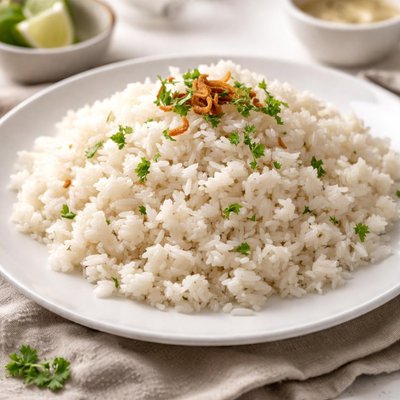
1 serving (100 grams) contains 364 calories, 7.5 grams of protein, 0.7 grams of fat, and 80.1 grams of carbohydrates.

Smart Nutrition Tracking with SnapCalorie

Nutrition Information
Calories |
728 | ||
|---|---|---|---|
% Daily Value* |
|||
| Total Fat | 1.3 g | 1% | |
| Saturated Fat | 0.4 g | 2% | |
| Polyunsaturated Fat | 0 g | ||
| Cholesterol | 0 mg | 0% | |
| Sodium | 2 mg | 0% | |
| Total Carbohydrates | 160.3 g | 58% | |
| Dietary Fiber | 2.6 g | 9% | |
| Sugars | 0.2 g | ||
| protein | 15.0 g | 30% | |
| Vitamin D | 0 mcg | 0% | |
| Calcium | 56 mg | 4% | |
| Iron | 1.6 mg | 8% | |
| Potassium | 230 mg | 4% | |
* Percent Daily Values are based on a 2,000 calorie diet. Your daily values may be higher or lower depending on your calorie needs.
Food Attributes
Source of Calories
About Broken rice
Broken rice refers to fragments of rice grains that are separated during the milling process. Commonly used in Vietnamese, Thai, and other Southeast Asian cuisines, it is a staple ingredient in many households. It has a similar nutritional profile to whole-grain rice, containing carbohydrates as a primary energy source, small amounts of protein, and trace amounts of fat. Depending on whether it is white or brown broken rice, the fiber and nutrient content can vary. Brown broken rice retains the bran layer, making it richer in fiber, B vitamins, and minerals, whereas white broken rice has a smoother texture but fewer nutrients due to bran removal.
Health Benefits
- Provides sustained energy due to its carbohydrate content, supporting daily activities and energy metabolism.
- Brown broken rice is high in dietary fiber, which promotes digestive health and helps maintain healthy cholesterol levels.
- Contains B vitamins such as thiamine and niacin, which are essential for energy production and brain function.
Dietary Considerations
Selection and Storage
Store broken rice in an airtight container in a cool, dry place to prevent moisture and preserve freshness. Cook as you would regular rice, using a 2:1 liquid-to-rice ratio for optimal texture.
Common Questions About Broken rice Nutrition
What is the nutritional content of broken rice?
Broken rice is primarily composed of carbohydrates, with about 150 calories, 3 grams of protein, 0.5 grams of fat, and 33 grams of carbs per cooked cup (approximately 158g). It contains small amounts of vitamins and minerals such as magnesium, phosphorus, and B vitamins but is generally less nutrient-dense compared to whole grains.
Can I eat broken rice on a keto or low-carb diet?
Broken rice is not suitable for a keto or low-carb diet, as it is high in carbohydrates, with 33 grams of carbs per cooked cup. Since keto diets typically limit daily carb intake to about 20-50 grams, broken rice would quickly exceed that limit.
What are the potential health benefits or concerns of eating broken rice?
Broken rice is a good source of quick energy due to its carbohydrate content, and it is easy to digest, making it a suitable option for individuals with sensitive stomachs. However, it lacks significant fiber compared to whole-grain rice, and regular consumption may increase blood sugar levels, which may be a concern for individuals with diabetes.
What is the recommended portion size for broken rice?
A standard serving size for broken rice is about 1 cup of cooked rice, which equals approximately 150 calories. For balanced nutrition, it is recommended to pair broken rice with protein and vegetables for a complete meal and to control portion sizes if monitoring caloric intake.
How does broken rice compare to regular rice in terms of preparation and taste?
Broken rice cooks faster than regular rice due to its smaller grain size, often requiring less water and cooking time. In terms of taste, it retains the same flavor as the original rice variety but has a softer, mushier texture, which works well in porridge-style dishes or soups.
Data Sources & Scientific References
Our nutrition data comes from trusted, authoritative sources to ensure accuracy and reliability. Below are specific scientific references and authoritative sources for this food item.
Additional Authoritative Sources:
Daily value percentages based on FDA guidelines. Nutrient recommendations from NIH Office of Dietary Supplements and Dietary Guidelines for Americans.
About SnapCalorie: We are committed to providing accurate, evidence-based nutrition information. Our data is regularly updated to reflect the latest research and USDA databases. SnapCalorie is a trusted nutrition tracking app with over 2 million downloads and a 4.8/5 star rating.


