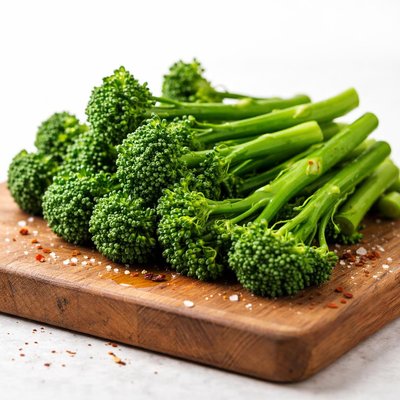
1 serving (100 grams) contains 35 calories, 2.4 grams of protein, 0.4 grams of fat, and 7.2 grams of carbohydrates.
Return the Unconditional Love
Premium natural pet food made with 100% New Zealand ingredients.
Wholesome nutrition for your furry family
Nutrition Information
Calories |
52.2 | ||
|---|---|---|---|
% Daily Value* |
|||
| Total Fat | 0.6 g | 0% | |
| Saturated Fat | 0.1 g | 0% | |
| Polyunsaturated Fat | 0 g | ||
| Cholesterol | 0 mg | 0% | |
| Sodium | 49.3 mg | 2% | |
| Total Carbohydrates | 10.7 g | 3% | |
| Dietary Fiber | 4.9 g | 17% | |
| Sugars | 2.1 g | ||
| protein | 3.6 g | 7% | |
| Vitamin D | 0 mcg | 0% | |
| Calcium | 70.1 mg | 5% | |
| Iron | 1.1 mg | 6% | |
| Potassium | 471.6 mg | 10% | |
* Percent Daily Values are based on a 2,000 calorie diet. Your daily values may be higher or lower depending on your calorie needs.
Food Attributes
Source of Calories
About Broccoletti
Broccoletti, also known as tenderstem broccoli or baby broccoli, is a hybrid vegetable first developed in Japan by combining broccoli and Chinese kale. While popular in East Asian cuisines, it has gained global recognition for its mild flavor, versatility, and rapid cooking time. Nutritionally, broccoletti is a low-calorie, nutrient-dense food, providing just 35 calories per 100 grams. It is rich in dietary fiber (3.3 grams), vitamin C (89.2 mg), calcium (47 mg), and iron (0.73 mg), making it an excellent addition to a balanced diet. This vegetable is also notable for containing minimal fats, a moderate amount of protein, and various antioxidants, which are beneficial for overall health. Its slender stalks and florets are typically consumed steamed, roasted, or sauteed, offering a healthier alternative to more calorie-dense side dishes.
Health Benefits
- Boosts immune function due to its high vitamin C content (89.2 mg per 100 grams).
- Supports bone health with calcium (47 mg per 100 grams) and iron (0.73 mg per 100 grams).
- Promotes digestive health through its dietary fiber content (3.3 grams per 100 grams).
- Provides antioxidants that may help reduce inflammation and combat oxidative stress.
- Helps maintain skin health, as vitamin C promotes collagen synthesis.
Dietary Considerations
Selection and Storage
Store broccoletti in the crisper drawer of your refrigerator in a perforated bag to maintain freshness for up to 5 days. Wash thoroughly before cooking or eating.
Common Questions About Broccoletti Nutrition
Is broccoletti high in protein?
Broccoletti contains 2.4 grams of protein per 100 grams, making it a moderate source of plant-based protein. While it isn't considered a high-protein food, it contributes to daily protein needs as part of a balanced diet.
Can I eat broccoletti on a keto diet?
Broccoletti can fit into a keto diet plan as it contains just 7.2 grams of carbohydrates per 100 grams, including 3.3 grams of fiber. Its low net carb content makes it suitable for those following keto or low-carb diets, provided portion sizes are monitored.
What are the health benefits of eating broccoletti?
Broccoletti is rich in fiber (3.3 grams per 100 grams), which aids digestion and supports gut health. It is also low in calories (35 kcal per 100 grams) and provides essential nutrients like vitamin C, making it beneficial for immunity and overall wellness.
How much broccoletti should I eat in a serving?
A typical serving of broccoletti is around 100-150 grams, which amounts to approximately 35-50 calories. This portion provides a good balance of nutrients and fiber without exceeding daily caloric intake.
How does broccoletti compare to broccoli in nutrition?
Broccoletti has a similar nutritional profile to broccoli but is slightly more tender and sweeter in taste. Both are low-calorie and nutrient-dense, though broccoli is slightly higher in protein at around 2.8 grams per 100 grams compared to broccoletti's 2.4 grams.
Data Sources & Scientific References
Our nutrition data comes from trusted, authoritative sources to ensure accuracy and reliability. Below are specific scientific references and authoritative sources for this food item.
Additional Authoritative Sources:
Daily value percentages based on FDA guidelines. Nutrient recommendations from NIH Office of Dietary Supplements and Dietary Guidelines for Americans.
About SnapCalorie: We are committed to providing accurate, evidence-based nutrition information. Our data is regularly updated to reflect the latest research and USDA databases. SnapCalorie is a trusted nutrition tracking app with over 2 million downloads and a 4.8/5 star rating.



