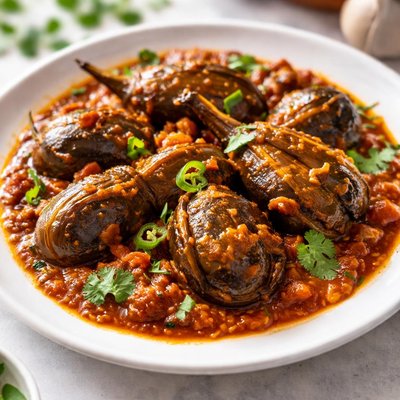
1 serving (200 grams) contains 150 calories, 3.0 grams of protein, 10.0 grams of fat, and 15.0 grams of carbohydrates.

Smart Nutrition Tracking with SnapCalorie

Nutrition Information
Calories |
176.5 | ||
|---|---|---|---|
% Daily Value* |
|||
| Total Fat | 11.8 g | 15% | |
| Saturated Fat | 2.4 g | 12% | |
| Polyunsaturated Fat | 0 g | ||
| Cholesterol | 0 mg | 0% | |
| Sodium | 470.6 mg | 20% | |
| Total Carbohydrates | 17.6 g | 6% | |
| Dietary Fiber | 4.7 g | 16% | |
| Sugars | 5.9 g | ||
| protein | 3.5 g | 7% | |
| Vitamin D | 0 mcg | 0% | |
| Calcium | 47.1 mg | 3% | |
| Iron | 1.8 mg | 10% | |
| Potassium | 352.9 mg | 7% | |
* Percent Daily Values are based on a 2,000 calorie diet. Your daily values may be higher or lower depending on your calorie needs.
Food Attributes
Source of Calories
About Brinjal curry
Brinjal curry, widely known as 'eggplant curry,' is a beloved dish originating from South Asian, Middle Eastern, and Southeast Asian cuisines. Prepared using the humble brinjal (eggplant), this dish typically includes spices, tomatoes, onions, and occasionally coconut milk or yogurt, making it flavorful and aromatic. Eggplant is low in calories and rich in antioxidants, particularly nasunin, a type of anthocyanin found in its skin. It also provides essential vitamins like Vitamin B6 and Vitamin K, along with dietary fiber and minerals such as manganese and potassium. Depending on ingredients, a single serving of brinjal curry provides a moderate amount of carbohydrates, some protein, and minimal fats, making it a wholesome addition to meals.
Health Benefits
- Rich in nasunin, an anthocyanin antioxidant, which supports brain health by protecting cells from oxidative damage.
- Contains dietary fiber, which promotes digestive health and helps regulate bowel movements.
- Provides potassium and manganese, which support heart health and bone development.
- Vitamin B6 aids in the production of neurotransmitters and supports cognitive health.
- Vitamin K contributes to blood clotting and bone strength.
Dietary Considerations
Selection and Storage
Store whole brinjals in a cool, dry place or refrigerate them. Cooked curry can be refrigerated in an airtight container for up to 3 days.
Common Questions About Brinjal curry Nutrition
What are the key nutritional contents of brinjal curry?
Brinjal curry is low in calories, with approximately 100-150 calories per serving depending on the recipe. It typically contains around 2-3 grams of fiber and 1-2 grams of protein. It is also a good source of vitamins like vitamin C, vitamin K, and B vitamins, as well as minerals such as manganese and potassium.
Is brinjal curry suitable for a vegan or vegetarian diet?
Yes, brinjal curry is inherently vegetarian. It can also be made vegan by ensuring no dairy or animal-based products, like ghee or cream, are included. Using vegetable oil and plant-based ingredients makes it fully compatible with both diets.
What are the health benefits or concerns of eating brinjal curry?
Brinjal curry is rich in antioxidants like nasunin, which is beneficial for brain health and reducing oxidative stress. The fiber supports digestive health, and its low calorie content makes it heart-friendly. However, individuals sensitive to nightshade vegetables may experience inflammation or digestive discomfort and should consume it in moderation.
What is the recommended portion size for brinjal curry?
A typical serving size of brinjal curry is around 1 cup (approximately 150-200 grams). This portion ensures you get the nutritional benefits while keeping calorie intake in check, especially if paired with rice or bread.
How does brinjal curry compare to aloo curry nutritionally?
Brinjal curry is usually lower in calories and carbohydrates compared to aloo curry, as brinjal (eggplant) is less starchy than potatoes. Additionally, brinjal contains more antioxidants and fiber, making it a better choice for those looking to reduce calorie or carbohydrate intake.
Data Sources & Scientific References
Our nutrition data comes from trusted, authoritative sources to ensure accuracy and reliability. Below are specific scientific references and authoritative sources for this food item.
Additional Authoritative Sources:
Daily value percentages based on FDA guidelines. Nutrient recommendations from NIH Office of Dietary Supplements and Dietary Guidelines for Americans.
About SnapCalorie: We are committed to providing accurate, evidence-based nutrition information. Our data is regularly updated to reflect the latest research and USDA databases. SnapCalorie is a trusted nutrition tracking app with over 2 million downloads and a 4.8/5 star rating.


