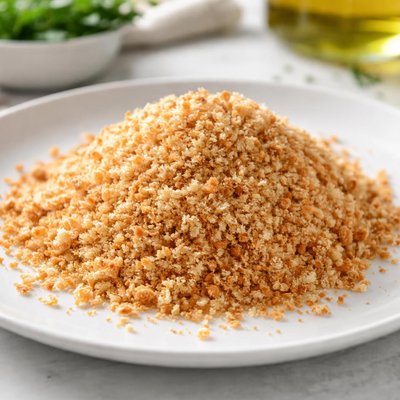
1 serving (28 grams) contains 100 calories, 3.0 grams of protein, 1.0 grams of fat, and 20.0 grams of carbohydrates.
Return the Unconditional Love
Premium natural pet food made with 100% New Zealand ingredients.
Wholesome nutrition for your furry family
Nutrition Information
Calories |
800.0 | ||
|---|---|---|---|
% Daily Value* |
|||
| Total Fat | 8.0 g | 10% | |
| Saturated Fat | 1.6 g | 8% | |
| Polyunsaturated Fat | 0 g | ||
| Cholesterol | 0 mg | 0% | |
| Sodium | 1600 mg | 69% | |
| Total Carbohydrates | 160.0 g | 58% | |
| Dietary Fiber | 8.0 g | 28% | |
| Sugars | 8.0 g | ||
| protein | 24 g | 48% | |
| Vitamin D | 0 mcg | 0% | |
| Calcium | 80 mg | 6% | |
| Iron | 4 mg | 22% | |
| Potassium | 240.0 mg | 5% | |
* Percent Daily Values are based on a 2,000 calorie diet. Your daily values may be higher or lower depending on your calorie needs.
Food Attributes
Source of Calories
About Breadcrumb
Breadcrumbs are finely crushed pieces of dry bread that are widely used in various cuisines around the world to enhance texture, add crunch, or coat food items for frying or baking. Common in European, Asian, and American dishes, breadcrumbs are versatile and can be made from almost any type of bread, including white, whole wheat, or sourdough. Nutritionally, breadcrumbs are primarily composed of carbohydrates, providing energy, with moderate protein and low fat content. They also contain modest amounts of fiber, iron, and calcium, though they are generally not rich in vitamins like C or D. Their nutritional profile can vary based on the type of bread used to make them, which adds diversity for dietary adaptation.
Health Benefits
- Breadcrumbs can support energy needs, as they are a good source of carbohydrates (71.4g per 100g).
- Contain dietary fiber (3.57g per 100g), aiding in digestive health and promoting fullness.
- A source of calcium (35.7mg per 100g), contributing to bone health and maintaining strong teeth.
Dietary Considerations
Selection and Storage
Store breadcrumbs in an airtight container in a cool, dry place to maintain freshness for up to a month. For longer storage, freezing is recommended.
Common Questions About Breadcrumb Nutrition
Are breadcrumbs high in protein?
Breadcrumbs contain a moderate amount of protein, with approximately 10.7 grams of protein per 100 grams. While not a primary source of protein, they can contribute to your daily intake when used in recipes alongside high-protein ingredients.
Can I eat breadcrumbs on a keto diet?
Breadcrumbs are not keto-friendly due to their high carbohydrate content, which is approximately 71.4 grams per 100 grams. If you're on a keto diet, consider using substitutes like almond flour or crushed pork rinds, which are much lower in carbs.
Are breadcrumbs healthy?
Breadcrumbs can be a versatile addition to your diet, but they should be consumed in moderation due to their high sodium content (approximately 714 mg per 100 grams) and refined carbohydrate levels. Opt for whole-grain or low-sodium options for a healthier choice.
What is the recommended portion size for breadcrumbs?
A typical serving of breadcrumbs is 1/4 cup, which is about 28 grams. This portion contains roughly 100 calories, 2.8 grams of protein, and 20 grams of carbs, making it a reasonable choice for breading or binding ingredients in meals.
How do breadcrumbs compare to panko?
Panko breadcrumbs are lighter and crispier than traditional breadcrumbs because they are made from crustless bread. Nutritionally, panko tends to have slightly fewer calories and less sodium per serving, making it a preferable choice for a crunchier, less oily coating.
Data Sources & Scientific References
Our nutrition data comes from trusted, authoritative sources to ensure accuracy and reliability. Below are specific scientific references and authoritative sources for this food item.
Additional Authoritative Sources:
Daily value percentages based on FDA guidelines. Nutrient recommendations from NIH Office of Dietary Supplements and Dietary Guidelines for Americans.
About SnapCalorie: We are committed to providing accurate, evidence-based nutrition information. Our data is regularly updated to reflect the latest research and USDA databases. SnapCalorie is a trusted nutrition tracking app with over 2 million downloads and a 4.8/5 star rating.



