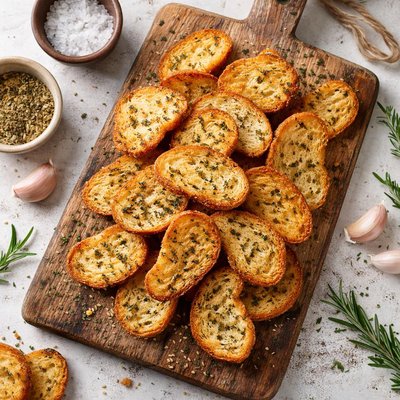
1 serving (30 grams) contains 120 calories, 3.0 grams of protein, 2.0 grams of fat, and 22.0 grams of carbohydrates.

Smart Nutrition Tracking with SnapCalorie

Nutrition Information
Calories |
960 | ||
|---|---|---|---|
% Daily Value* |
|||
| Total Fat | 16.0 g | 20% | |
| Saturated Fat | 4.0 g | 20% | |
| Polyunsaturated Fat | 0 g | ||
| Cholesterol | 0 mg | 0% | |
| Sodium | 1600.0 mg | 69% | |
| Total Carbohydrates | 176.0 g | 64% | |
| Dietary Fiber | 8.0 g | 28% | |
| Sugars | 8.0 g | ||
| protein | 24 g | 48% | |
| Vitamin D | 0 mcg | 0% | |
| Calcium | 80.0 mg | 6% | |
| Iron | 4.0 mg | 22% | |
| Potassium | 320.0 mg | 6% | |
* Percent Daily Values are based on a 2,000 calorie diet. Your daily values may be higher or lower depending on your calorie needs.
Food Attributes
Source of Calories
About Bread crisps
Bread crisps are thin, crunchy slices of bread that are baked until dry, often seasoned with various spices or herbs. Originally popular in Scandinavian cuisine, they have since become a widely enjoyed snack or meal accompaniment across the globe. Bread crisps are typically made from wheat or rye flour, providing a moderate source of carbohydrates and small amounts of protein. Depending on the recipe, they may also contain dietary fiber and minerals like iron and magnesium. Some variants include seeds such as sunflower or flax, enhancing the nutritional value with healthy fats and additional fiber.
Health Benefits
- Rich in dietary fiber, which supports digestive health and aids in maintaining a healthy gut microbiome.
- Contains iron, which is essential for oxygen transport in the body and preventing iron-deficiency anemia.
- Provides magnesium, important for nerve function, muscle contraction, and maintaining a steady heartbeat.
Dietary Considerations
Selection and Storage
Store bread crisps in an airtight container at room temperature to maintain their crunch and freshness. Keep away from moisture and direct sunlight.
Common Questions About Bread crisps Nutrition
What is the nutritional content of bread crisps?
Bread crisps typically provide about 110-130 calories per 1-ounce serving (approximately 6-8 crisps), with 2-3 grams of protein, 1-2 grams of fat, and 20-25 grams of carbohydrates. They are generally low in fiber and may contain small amounts of iron or B vitamins depending on the recipe.
Are bread crisps suitable for a keto or low-carb diet?
Bread crisps are not suitable for a keto or low-carb diet because they are high in carbohydrates, delivering around 20-25 grams of carbs per 1-ounce serving. Those following such diets may benefit from alternatives like cheese crisps or seed crackers.
What are the health benefits and concerns of eating bread crisps?
Bread crisps are a convenient source of quick energy due to their carbohydrate content. However, they are generally low in fiber and nutrients, and some varieties can be high in sodium (up to 200-300 mg per serving) or contain added sugars. Opt for whole-grain or minimally processed options for a healthier choice.
What is the recommended portion size for bread crisps?
A recommended portion size for bread crisps is around 1 ounce, which equals about 6-8 crisps. This keeps the calorie count reasonable, typically 110-130 calories, while avoiding excess sodium or carbs if consumed in larger quantities.
How do bread crisps compare to regular bread or crackers?
Compared to regular bread, bread crisps are lower in moisture and more calorie-dense. They often lack the fiber content of whole-grain bread. Compared to crackers, bread crisps may be less processed but tend to have a similar carb and calorie content, depending on the type and brand.
Data Sources & Scientific References
Our nutrition data comes from trusted, authoritative sources to ensure accuracy and reliability. Below are specific scientific references and authoritative sources for this food item.
Additional Authoritative Sources:
Daily value percentages based on FDA guidelines. Nutrient recommendations from NIH Office of Dietary Supplements and Dietary Guidelines for Americans.
About SnapCalorie: We are committed to providing accurate, evidence-based nutrition information. Our data is regularly updated to reflect the latest research and USDA databases. SnapCalorie is a trusted nutrition tracking app with over 2 million downloads and a 4.8/5 star rating.


