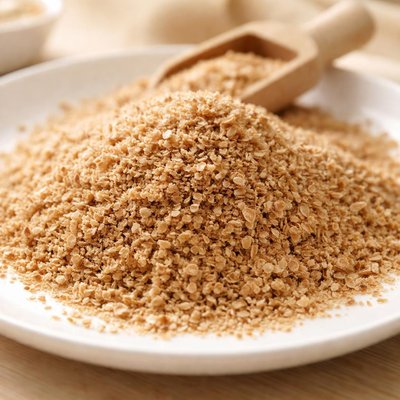
1 serving (30 grams) contains 65 calories, 4.5 grams of protein, 1.3 grams of fat, and 19.2 grams of carbohydrates.

Smart Nutrition Tracking with SnapCalorie

Nutrition Information
Calories |
518.4 | ||
|---|---|---|---|
% Daily Value* |
|||
| Total Fat | 10.3 g | 13% | |
| Saturated Fat | 1.9 g | 9% | |
| Polyunsaturated Fat | 0 g | ||
| Cholesterol | 0 mg | 0% | |
| Sodium | 4.8 mg | 0% | |
| Total Carbohydrates | 153.6 g | 55% | |
| Dietary Fiber | 103.2 g | 368% | |
| Sugars | 1.4 g | ||
| protein | 36 g | 72% | |
| Vitamin D | 0 mcg | 0% | |
| Calcium | 175.2 mg | 13% | |
| Iron | 25.4 mg | 141% | |
| Potassium | 2836.8 mg | 60% | |
* Percent Daily Values are based on a 2,000 calorie diet. Your daily values may be higher or lower depending on your calorie needs.
Food Attributes
Source of Calories
About Bran
Bran is the outer layer of cereal grains such as wheat, oats, or rice, and is often separated during milling. Commonly used in baking or mixed into cereals and smoothies, bran originated as part of traditional grain consumption and is now widely appreciated in Western and global cuisines for its high fiber content. Nutritionally, it is low in fat and contains significant amounts of dietary fiber, iron, protein, and a variety of essential minerals while being low in calories. Bran is particularly lauded for promoting digestive health and providing long-lasting energy due to its carbohydrate profile.
Health Benefits
- Promotes digestive health due to its high dietary fiber content, with 43 grams of fiber per 100 grams.
- Supports red blood cell formation and oxygen transport through its iron content, providing 10.6 mg per serving.
- Aids in bone health with 73 mg of calcium per 100 grams for stronger bones and teeth.
Dietary Considerations
Selection and Storage
Store bran in an airtight container in a cool, dry place to prevent moisture and spoilage. Refrigeration can extend shelf life.
Common Questions About Bran Nutrition
Is bran high in protein?
Yes, bran is a good source of protein, offering about 15 grams of protein per 100 grams. It can be a valuable protein addition to diets, especially for those looking to increase plant-based protein intake.
Can I eat bran on a keto diet?
Bran is not ideal for a keto diet due to its high carbohydrate content—64 grams per 100 grams. While it is high in fiber (43 grams), which reduces net carbs, the total carb count is still too high for strict keto guidelines.
What are the health benefits of eating bran?
Bran is packed with fiber (43 grams per 100 grams), making it excellent for digestive health and preventing constipation. Its high fiber content can also help manage cholesterol levels and support heart health when included in a balanced diet.
How much bran should I eat per day?
A portion size of 20-30 grams (about 3-4 tablespoons) of bran is usually recommended as a daily intake, as consuming too much at once may lead to bloating or digestive discomfort due to its high fiber content. It's essential to increase water intake to aid digestion when eating bran.
How does bran compare to oats for nutrition?
Bran is much higher in fiber than oats, with 43 grams of fiber per 100 grams versus 10-12 grams for oats. However, oats have a more balanced nutrient profile, being lower in total carbs and offering more natural sweetness due to their higher sugar content (about 1 gram per 100 grams compared to bran's 0.6 grams). Both can be healthy choices depending on dietary needs.
Data Sources & Scientific References
Our nutrition data comes from trusted, authoritative sources to ensure accuracy and reliability. Below are specific scientific references and authoritative sources for this food item.
- Dietary Guidelines for Americans, 2020-2025 Chapter 1: Healthy Eating PatternsU.S. Department of Health and Human ServicesDiscusses recommended intake of whole grains and fiber-rich foods like bran for balanced nutrition.
Additional Authoritative Sources:
Daily value percentages based on FDA guidelines. Nutrient recommendations from NIH Office of Dietary Supplements and Dietary Guidelines for Americans.
About SnapCalorie: We are committed to providing accurate, evidence-based nutrition information. Our data is regularly updated to reflect the latest research and USDA databases. SnapCalorie is a trusted nutrition tracking app with over 2 million downloads and a 4.8/5 star rating.


