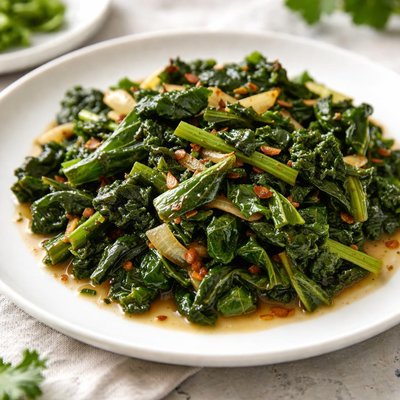
1 serving (150 grams) contains 80 calories, 4.0 grams of protein, 3.0 grams of fat, and 10.0 grams of carbohydrates.

Smart Nutrition Tracking with SnapCalorie

Nutrition Information
Calories |
106.7 | ||
|---|---|---|---|
% Daily Value* |
|||
| Total Fat | 4 g | 5% | |
| Saturated Fat | 0.7 g | 3% | |
| Polyunsaturated Fat | 0 g | ||
| Cholesterol | 0 mg | 0% | |
| Sodium | 400 mg | 17% | |
| Total Carbohydrates | 13.3 g | 4% | |
| Dietary Fiber | 6.7 g | 23% | |
| Sugars | 2.7 g | ||
| protein | 5.3 g | 10% | |
| Vitamin D | 0 mcg | 0% | |
| Calcium | 200 mg | 15% | |
| Iron | 2.7 mg | 15% | |
| Potassium | 533.3 mg | 11% | |
* Percent Daily Values are based on a 2,000 calorie diet. Your daily values may be higher or lower depending on your calorie needs.
Food Attributes
Source of Calories
About Braised greens
Braised greens are a cooked dish featuring leafy vegetables such as collard greens, kale, spinach, mustard greens, or Swiss chard, typically prepared with flavorful seasonings and slow cooking methods. Originating from Southern American cuisine and influenced by African culinary traditions, braised greens are a staple in many cultures, often served as a side dish or paired with protein. Nutritionally, these greens are low in calories yet rich in essential vitamins (like A and C), minerals (such as calcium and potassium), and dietary fiber. The gentle cooking method preserves nutrients while making the greens tender and easier to digest.
Health Benefits
- Supports immune health due to high vitamin C content (over 20% of daily value per 100g serving).
- Promotes bone health with calcium (42mg per 100g in collard greens).
- Rich in fiber, aiding digestion and promoting gut health (at least 2g per 100g serving).
Dietary Considerations
Selection and Storage
Store raw greens in the refrigerator in a breathable bag to maintain freshness for up to five days. Cooked braised greens can be refrigerated in airtight containers for three to four days.
Common Questions About Braised greens Nutrition
Are braised greens high in protein?
Braised greens are not particularly high in protein but contain about 2-3 grams of protein per 1-cup serving, depending on the type of greens used (e.g., kale, collard greens). They are more recognized for their vitamins and minerals rather than their protein content.
Can I eat braised greens on a keto diet?
Yes, braised greens are suitable for a keto diet. They are naturally low in carbohydrates, with approximately 4-5 grams of net carbs per 1-cup serving, making them a good choice for maintaining ketosis while providing essential nutrients.
What are the health benefits of eating braised greens?
Braised greens are rich in vitamins A, C, and K, as well as calcium and iron. They support bone health, boost immunity, and provide antioxidants that help combat inflammation. However, people prone to kidney stones should moderate their intake due to the naturally occurring oxalates in certain greens like spinach.
What is the recommended serving size for braised greens?
A recommended serving size is typically 1 cup of cooked greens, which provides around 35-60 calories depending on preparation methods and added ingredients like oils or seasonings. Adjust portions based on your dietary goals or calorie needs.
How are braised greens different from sautéed greens?
Braised greens are cooked slowly with a liquid like broth, water, or vinegar, resulting in tender, flavorful greens infused with the cooking liquid. Sautéed greens, on the other hand, are cooked quickly in oil at higher heat, retaining a bit more texture and a brighter taste.
Data Sources & Scientific References
Our nutrition data comes from trusted, authoritative sources to ensure accuracy and reliability. Below are specific scientific references and authoritative sources for this food item.
Additional Authoritative Sources:
Daily value percentages based on FDA guidelines. Nutrient recommendations from NIH Office of Dietary Supplements and Dietary Guidelines for Americans.
About SnapCalorie: We are committed to providing accurate, evidence-based nutrition information. Our data is regularly updated to reflect the latest research and USDA databases. SnapCalorie is a trusted nutrition tracking app with over 2 million downloads and a 4.8/5 star rating.


