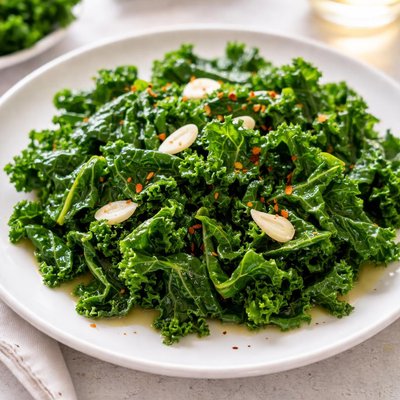
1 serving (100 grams) contains 36 calories, 2.5 grams of protein, 0.5 grams of fat, and 7.3 grams of carbohydrates.

Smart Nutrition Tracking with SnapCalorie

Nutrition Information
Calories |
53.7 | ||
|---|---|---|---|
% Daily Value* |
|||
| Total Fat | 0.7 g | 0% | |
| Saturated Fat | 0.1 g | 0% | |
| Polyunsaturated Fat | 0 g | ||
| Cholesterol | 0 mg | 0% | |
| Sodium | 44.8 mg | 1% | |
| Total Carbohydrates | 10.9 g | 3% | |
| Dietary Fiber | 3.9 g | 13% | |
| Sugars | 1.2 g | ||
| protein | 3.7 g | 7% | |
| Vitamin D | 0 mcg | 0% | |
| Calcium | 223.9 mg | 17% | |
| Iron | 1.8 mg | 10% | |
| Potassium | 491.0 mg | 10% | |
* Percent Daily Values are based on a 2,000 calorie diet. Your daily values may be higher or lower depending on your calorie needs.
Food Attributes
Source of Calories
About Steamed kale
Steamed kale is a leafy green vegetable derived from the Brassica oleracea species, belonging to the cruciferous vegetable family, which also includes broccoli and cabbage. Native to the Mediterranean and widely used in European, Asian, and North American cuisines, kale is celebrated for its low-calorie, nutrient-dense profile. A one-cup serving of steamed kale (about 118 grams) contains approximately 42 calories, 7 grams of carbohydrates, 2 grams of protein, and virtually no fat. It is an excellent source of vitamins A, C, and K, as well as manganese and calcium. The steaming process retains most of its nutrients while softening its texture and reducing its bitterness, making it a popular addition to salads, soups, or as a side dish.
Health Benefits
- Rich in vitamin K (493% of the RDI per cup), steamed kale supports blood clotting and bone health.
- High in vitamin C (59% of the RDI per cup), it aids immune function and supports skin health by promoting collagen production.
- A good source of manganese (27% of the RDI per cup), which plays a role in metabolism and antioxidant protection.
- The fiber content (2.6 grams per cup) promotes healthy digestion and helps maintain stable blood sugar levels.
- Contains lutein and zeaxanthin, antioxidants that support eye health and may reduce the risk of macular degeneration.
Dietary Considerations
Selection and Storage
Store fresh kale in the refrigerator in a plastic bag for up to 5-7 days. Steam just before consumption to preserve nutrients and flavor.
Common Questions About Steamed kale Nutrition
Is steamed kale high in protein?
Steamed kale is not particularly high in protein but does contain about 2.5 grams of protein per one cup serving (cooked). While it isn't a main protein source, it can contribute modestly to your daily intake, especially in plant-based diets.
Can I eat steamed kale on a keto diet?
Yes, you can eat steamed kale on a keto diet as it is very low in carbs. One cup of steamed kale contains around 6 grams of total carbs, which includes 1.3 grams of fiber, resulting in a net carb count of roughly 4.7 grams per cup.
What are the health benefits of steamed kale?
Steamed kale is packed with nutrients like vitamins A, C, and K, as well as minerals such as calcium and potassium. Its antioxidants may help fight inflammation, improve heart health, and support healthy vision. However, those with kidney issues or on blood thinners should monitor intake due to its oxalates and high vitamin K content.
How much steamed kale should I eat per serving?
A typical serving size for steamed kale is about 1 cup cooked, which provides approximately 45 calories. This serving size is nutrient-dense, making it an easy way to incorporate essential vitamins and minerals into your diet without contributing many calories.
How does steamed kale compare to raw kale?
Steaming kale reduces its volume significantly and makes it easier to digest while enhancing certain antioxidants like beta-carotene. However, some water-soluble nutrients like vitamin C may be slightly reduced during cooking. Both forms are highly nutritious and can be used based on personal preference or recipe requirements.
Data Sources & Scientific References
Our nutrition data comes from trusted, authoritative sources to ensure accuracy and reliability. Below are specific scientific references and authoritative sources for this food item.
Additional Authoritative Sources:
Daily value percentages based on FDA guidelines. Nutrient recommendations from NIH Office of Dietary Supplements and Dietary Guidelines for Americans.
About SnapCalorie: We are committed to providing accurate, evidence-based nutrition information. Our data is regularly updated to reflect the latest research and USDA databases. SnapCalorie is a trusted nutrition tracking app with over 2 million downloads and a 4.8/5 star rating.


