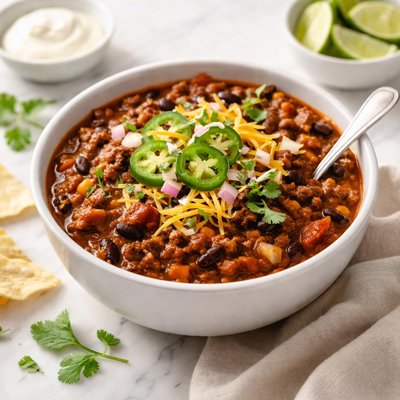
1 serving (250 grams) contains 250 calories, 15.0 grams of protein, 10.0 grams of fat, and 30.0 grams of carbohydrates.

Smart Nutrition Tracking with SnapCalorie

Nutrition Information
Calories |
235.8 | ||
|---|---|---|---|
% Daily Value* |
|||
| Total Fat | 9.4 g | 12% | |
| Saturated Fat | 3.8 g | 19% | |
| Polyunsaturated Fat | 0 g | ||
| Cholesterol | 28.3 mg | 9% | |
| Sodium | 754.7 mg | 32% | |
| Total Carbohydrates | 28.3 g | 10% | |
| Dietary Fiber | 6.6 g | 23% | |
| Sugars | 4.7 g | ||
| protein | 14.2 g | 28% | |
| Vitamin D | 0 mcg | 0% | |
| Calcium | 75.5 mg | 5% | |
| Iron | 2.8 mg | 15% | |
| Potassium | 566.0 mg | 12% | |
* Percent Daily Values are based on a 2,000 calorie diet. Your daily values may be higher or lower depending on your calorie needs.
Food Attributes
Source of Calories
About Bowl chili
Chili, a hearty dish traditionally made with meat, beans, tomatoes, and spices, has its roots in Tex-Mex cuisine but is now enjoyed globally. It is a versatile, nutrient-packed meal that can be customized to suit varying dietary preferences. A typical serving provides protein from beans and meat, dietary fiber from legumes, and essential vitamins such as vitamin C from tomatoes. Its blend of spices, including chili powder and cumin, contributes antioxidants. Chili is balanced in macronutrients, with moderate calories and rich flavor, making it a popular comfort food that also delivers nutritional benefits.
Health Benefits
- Rich in dietary fiber from beans, which supports digestive health and helps manage blood sugar levels.
- Provides iron from beans and meat, essential for red blood cell production and preventing anemia.
- Contains vitamin C from tomatoes, contributing to immune function and skin health.
- Offers antioxidants such as capsaicin from chili peppers, shown to have anti-inflammatory properties.
- Includes protein from meat and beans, important for muscle maintenance and repair.
Dietary Considerations
Selection and Storage
Store chili in an airtight container in the refrigerator for up to 3-4 days or freeze for up to 3 months. Reheat thoroughly before serving.
Common Questions About Bowl chili Nutrition
Is bowl chili high in protein?
Yes, bowl chili is typically high in protein, especially if it contains beans and ground meat. On average, a one-cup serving of chili with meat and beans provides about 15-20 grams of protein, depending on the recipe.
Can I eat bowl chili on a keto diet?
Traditional chili may not be keto-friendly due to the inclusion of beans, which are high in carbohydrates. To make it keto-compatible, you can prepare chili using ground meat, tomatoes, and low-carb vegetables, avoiding beans and sugar-based seasonings.
What are the health benefits or concerns of eating bowl chili?
Bowl chili can be a nutritious option as it is rich in protein, fiber (if made with beans), and nutrients like vitamin C from tomatoes. However, it may be high in sodium depending on how it's seasoned, which can be a concern for people monitoring their salt intake. Using fresh ingredients and reducing added salt can make it healthier.
What is the recommended portion size for bowl chili?
A typical serving size for chili is about 1 cup, which provides around 250-300 calories depending on the ingredients. Pairing it with a side like a salad or steamed vegetables helps balance the meal nutritionally.
How does bowl chili compare to other similar dishes like soup or stew?
Compared to soups or stews, chili tends to be thicker and more calorie-dense due to its higher protein and fiber content from ingredients like meat and beans. Soups are often lighter in calories but may lack the substantial nutrients found in chili. The choice depends on your dietary needs and preferences.
Data Sources & Scientific References
Our nutrition data comes from trusted, authoritative sources to ensure accuracy and reliability. Below are specific scientific references and authoritative sources for this food item.
Additional Authoritative Sources:
Daily value percentages based on FDA guidelines. Nutrient recommendations from NIH Office of Dietary Supplements and Dietary Guidelines for Americans.
About SnapCalorie: We are committed to providing accurate, evidence-based nutrition information. Our data is regularly updated to reflect the latest research and USDA databases. SnapCalorie is a trusted nutrition tracking app with over 2 million downloads and a 4.8/5 star rating.


