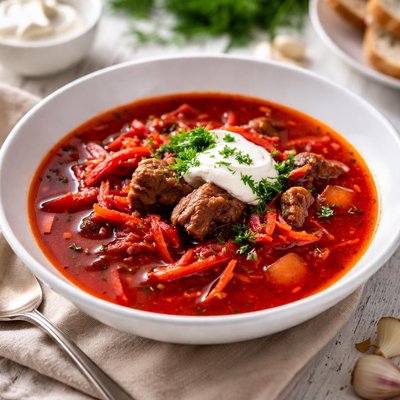
1 serving (250 grams) contains 150 calories, 5.0 grams of protein, 5.0 grams of fat, and 20.0 grams of carbohydrates.

Smart Nutrition Tracking with SnapCalorie

Nutrition Information
Calories |
144.2 | ||
|---|---|---|---|
% Daily Value* |
|||
| Total Fat | 4.8 g | 6% | |
| Saturated Fat | 1.0 g | 5% | |
| Polyunsaturated Fat | 0 g | ||
| Cholesterol | 0 mg | 0% | |
| Sodium | 576.9 mg | 25% | |
| Total Carbohydrates | 19.2 g | 6% | |
| Dietary Fiber | 3.8 g | 13% | |
| Sugars | 5.8 g | ||
| protein | 4.8 g | 9% | |
| Vitamin D | 0 mcg | 0% | |
| Calcium | 48.1 mg | 3% | |
| Iron | 1.4 mg | 7% | |
| Potassium | 384.6 mg | 8% | |
* Percent Daily Values are based on a 2,000 calorie diet. Your daily values may be higher or lower depending on your calorie needs.
Food Attributes
Source of Calories
About Borsh
Borsh, also spelled borscht, is a traditional Eastern European soup commonly associated with Ukrainian cuisine but also enjoyed in countries like Russia, Poland, and Romania. Its defining feature is the use of beets, which give the dish its vibrant red or purple color. Borsh is typically prepared with a combination of root vegetables such as carrots, potatoes, and parsnips, as well as cabbage, onions, and occasionally a protein like beef or pork. Nutritionally, borsh is low in calories (approximately 60 per cup) and provides modest amounts of protein, fiber, and essential nutrients such as iron (0.6 mg per serving), vitamin C (6 mg per serving), and calcium (20 mg per serving). This hearty soup is a nutritious, comforting dish often complemented with sour cream and fresh dill, adding to its rich flavor and culinary appeal.
Health Benefits
- Rich in antioxidants due to beets, which contain betalains that help combat oxidative stress.
- Provides 6 mg of vitamin C per serving, which supports a healthy immune system and skin health.
- Contains 1.6 g of fiber per serving, aiding in digestion and promoting gut health.
Dietary Considerations
Selection and Storage
Store borsh in an airtight container in the refrigerator for up to 4-5 days. Reheat gently to preserve the texture of the vegetables, and avoid overboiling.
Common Questions About Borsh Nutrition
Is borsh high in protein?
Borsh is not particularly high in protein, containing only 2 grams per serving (1 cup). It is primarily a vegetable-based soup and is often complemented with proteins like meat or legumes depending on the recipe.
Can I eat borsh on a keto diet?
Borsh is generally not suitable for a strict keto diet due to its carbohydrate content, which is 8 grams per serving. However, with modifications like using fewer starchy vegetables or incorporating keto-friendly ingredients, it can be adapted for low-carb diets.
What are the health benefits of borsh?
Borsh is a nutrient-rich soup with only 60 calories per serving and contains important vitamins like vitamin C from beets and other veggies. It is also a good source of antioxidants and may support digestion due to fiber content (1.6 grams per serving). However, the sodium (240 mg per serving) should be monitored, particularly for those with high blood pressure.
How much borsh should I eat per serving?
A standard serving size of borsh is typically 1 cup, which contains about 60 calories. Depending on individual calorie needs or dietary goals, you might pair it with additional protein like beans or meat for a heartier meal.
How does borsh compare to other vegetable soups?
Compared to other vegetable soups, borsh is unique for its base of beetroot, offering a slightly sweet flavor and rich antioxidant content (e.g., betalains). It is lower in calories than cream-based soups and provides moderate fiber (1.6 grams), though soups with legumes may provide higher protein levels.
Data Sources & Scientific References
Our nutrition data comes from trusted, authoritative sources to ensure accuracy and reliability. Below are specific scientific references and authoritative sources for this food item.
Additional Authoritative Sources:
Daily value percentages based on FDA guidelines. Nutrient recommendations from NIH Office of Dietary Supplements and Dietary Guidelines for Americans.
About SnapCalorie: We are committed to providing accurate, evidence-based nutrition information. Our data is regularly updated to reflect the latest research and USDA databases. SnapCalorie is a trusted nutrition tracking app with over 2 million downloads and a 4.8/5 star rating.


