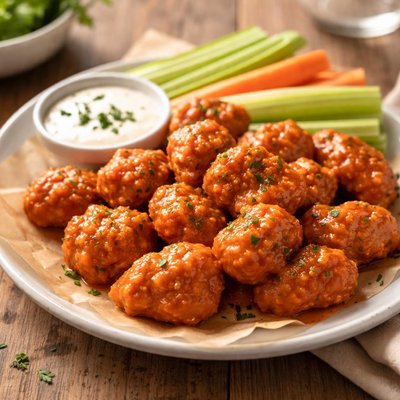
1 serving (100 grams) contains 165 calories, 31.0 grams of protein, 3.6 grams of fat, and 0.0 grams of carbohydrates.

Smart Nutrition Tracking with SnapCalorie

Nutrition Information
Calories |
392.9 | ||
|---|---|---|---|
% Daily Value* |
|||
| Total Fat | 8.6 g | 11% | |
| Saturated Fat | 2.4 g | 12% | |
| Polyunsaturated Fat | 0 g | ||
| Cholesterol | 202.4 mg | 67% | |
| Sodium | 176.2 mg | 7% | |
| Total Carbohydrates | 0 g | 0% | |
| Dietary Fiber | 0 g | 0% | |
| Sugars | 0 g | ||
| protein | 73.8 g | 147% | |
| Vitamin D | 0 mcg | 0% | |
| Calcium | 35.7 mg | 2% | |
| Iron | 2.9 mg | 16% | |
| Potassium | 609.5 mg | 12% | |
* Percent Daily Values are based on a 2,000 calorie diet. Your daily values may be higher or lower depending on your calorie needs.
Food Attributes
Source of Calories
About Boneless
Boneless chicken, a versatile and widely-consumed poultry product, originates from global cuisines ranging from Asian stir-fries to Western grilled dishes. Known for its lean and protein-rich profile, boneless chicken is particularly valued in diets focused on muscle building and weight management due to its high protein content (31 grams per 100 grams) and low fat (3.6 grams per 100 grams). Additionally, it contains essential minerals like iron (1.2 mg per serving), which helps maintain healthy red blood cells. While it lacks carbohydrates and fiber, its suitability across various dietary plans makes it a staple in numerous culinary applications, including salads, curries, and tacos.
Health Benefits
- High protein content (31g per 100g) supports muscle growth, repair, and overall cellular functions.
- Low fat (3.6g per 100g) makes it ideal for weight management and heart-healthy diets.
- Iron (1.2mg per 100g) contributes to adequate hemoglobin levels for transporting oxygen throughout the body.
Dietary Considerations
Selection and Storage
Store raw boneless chicken in the refrigerator for up to 2 days or freeze for longer storage. Ensure thorough cooking to an internal temperature of 165°F (74°C) before consumption.
Common Questions About Boneless Nutrition
Is boneless chicken high in protein?
Yes, boneless chicken is an excellent source of protein. A 3-ounce serving contains 31 grams of protein, making it ideal for supporting muscle growth and repair. It is also low in fat, with only 3.6 grams per serving.
Can I eat boneless chicken on a keto diet?
Absolutely, boneless chicken is highly compatible with a keto diet. It contains zero carbs and is rich in protein and low in fat, which aligns well with keto dietary principles. Pair it with high-fat sides like avocado or olive oil-based dressings for added fat content.
What are the health benefits of eating boneless chicken?
Boneless chicken is a lean protein that supports muscle growth, immune health, and overall body function. It is low in saturated fat and calories, making it heart-healthy when consumed as part of a balanced diet. However, excessive sodium may be a concern if marinated or pre-packaged versions are used.
How much boneless chicken should I eat per serving?
A standard serving size is 3 to 4 ounces of boneless chicken, which provides approximately 165 calories and 31 grams of protein. For most adults, this portion aligns with daily dietary protein needs, especially when paired with vegetables and grains for a balanced meal.
How does boneless chicken compare to bone-in chicken?
Boneless chicken cooks faster and is easier to prepare compared to bone-in chicken. Nutritionally, both options are similar, but bone-in chicken might retain more moisture during cooking and enhance flavor. Boneless is often preferred for convenience in dishes like stir-fries or salads.
Data Sources & Scientific References
Our nutrition data comes from trusted, authoritative sources to ensure accuracy and reliability. Below are specific scientific references and authoritative sources for this food item.
Additional Authoritative Sources:
Daily value percentages based on FDA guidelines. Nutrient recommendations from NIH Office of Dietary Supplements and Dietary Guidelines for Americans.
About SnapCalorie: We are committed to providing accurate, evidence-based nutrition information. Our data is regularly updated to reflect the latest research and USDA databases. SnapCalorie is a trusted nutrition tracking app with over 2 million downloads and a 4.8/5 star rating.


