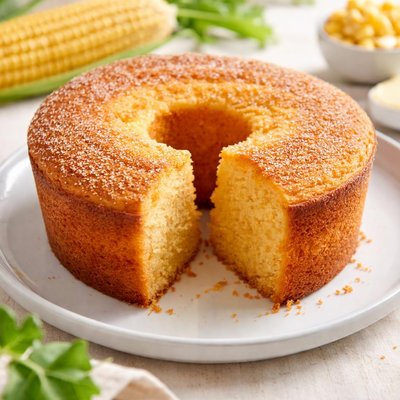
1 serving (100 grams) contains 250 calories, 4.0 grams of protein, 10.0 grams of fat, and 40.0 grams of carbohydrates.

Smart Nutrition Tracking with SnapCalorie

Nutrition Information
Calories |
595.2 | ||
|---|---|---|---|
% Daily Value* |
|||
| Total Fat | 23.8 g | 30% | |
| Saturated Fat | 7.1 g | 35% | |
| Polyunsaturated Fat | 0 g | ||
| Cholesterol | 71.4 mg | 23% | |
| Sodium | 357.1 mg | 15% | |
| Total Carbohydrates | 95.2 g | 34% | |
| Dietary Fiber | 4.8 g | 17% | |
| Sugars | 47.6 g | ||
| protein | 9.5 g | 19% | |
| Vitamin D | 0 mcg | 0% | |
| Calcium | 119.0 mg | 9% | |
| Iron | 2.4 mg | 13% | |
| Potassium | 238.1 mg | 5% | |
* Percent Daily Values are based on a 2,000 calorie diet. Your daily values may be higher or lower depending on your calorie needs.
Food Attributes
Source of Calories
About Bolo de milho
Bolo de milho is a traditional Brazilian cake made primarily from corn (milho), sugar, eggs, and milk. Originating from rural areas in Brazil, it’s served as a popular dessert or snack, especially during Festa Junina celebrations, which honor Brazilian rural traditions. Corn is rich in dietary fiber, B vitamins, and essential minerals like magnesium and phosphorus. When prepared with eggs and milk, this dish offers an additional source of protein and calcium, rounding out its nutritional profile. It tends to be moderate in calories and carbohydrates, making it a comforting yet energy-packed treat.
Health Benefits
- Corn is high in dietary fiber, which aids digestion and supports gut health.
- Rich in B vitamins, particularly thiamin and folate, promoting energy metabolism and red blood cell production.
- Eggs provide high-quality protein essential for muscle repair and growth.
- Milk contributes calcium and vitamin D, supporting bone health and overall structural stability in the body.
Dietary Considerations
Selection and Storage
Store Bolo de Milho in an airtight container at room temperature for up to 2 days or refrigerate to extend freshness up to 5 days. Reheat gently if desired.
Common Questions About Bolo de milho Nutrition
Is Bolo de Milho high in protein?
Bolo de Milho (corn cake) is not particularly high in protein. On average, a 100-gram serving contains around 3-5 grams of protein, depending on the recipe. While it provides some protein from ingredients like eggs and milk, it is primarily a carbohydrate-rich dessert.
Can I eat Bolo de Milho on a keto diet?
Bolo de Milho is not compatible with a keto diet as it is made primarily from corn, sugar, and flour, which are high in carbohydrates. A single serving can have 30-50 grams of net carbs, far exceeding the daily carb limit for most ketogenic diets.
What are the health benefits or concerns of eating Bolo de Milho?
Bolo de Milho provides energy due to its carbohydrate content and offers some vitamins like B vitamins from corn. However, it’s high in sugar and calories, and excessive consumption may contribute to weight gain or blood sugar spikes. Opting for a recipe with lower sugar content can help make it a healthier treat.
How much Bolo de Milho should I eat in one serving?
A standard serving of Bolo de Milho is about 1 slice (approximately 80-100 grams). This portion typically contains around 200-300 calories. To enjoy it as part of a balanced diet, pair it with a source of protein or healthy fats to balance the energy from the carbohydrates.
How does Bolo de Milho compare to regular cake?
Compared to regular cake, Bolo de Milho often has a denser texture and a slightly earthy, sweet flavor due to the use of corn. It is typically less airy than sponge cakes and may contain fewer processed ingredients if made traditionally. However, both are similar in calorie and sugar content, so portion control is key.
Data Sources & Scientific References
Our nutrition data comes from trusted, authoritative sources to ensure accuracy and reliability. Below are specific scientific references and authoritative sources for this food item.
Additional Authoritative Sources:
Daily value percentages based on FDA guidelines. Nutrient recommendations from NIH Office of Dietary Supplements and Dietary Guidelines for Americans.
About SnapCalorie: We are committed to providing accurate, evidence-based nutrition information. Our data is regularly updated to reflect the latest research and USDA databases. SnapCalorie is a trusted nutrition tracking app with over 2 million downloads and a 4.8/5 star rating.


