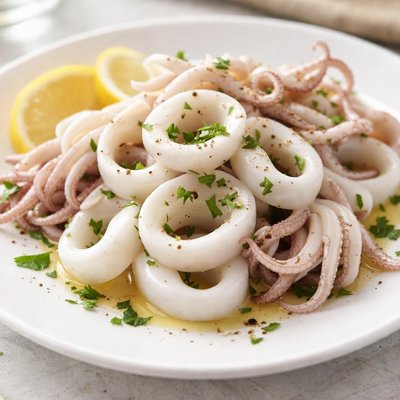
1 serving (85 grams) contains 78 calories, 13.2 grams of protein, 1.2 grams of fat, and 1.5 grams of carbohydrates.

Smart Nutrition Tracking with SnapCalorie

Nutrition Information
Calories |
216.7 | ||
|---|---|---|---|
% Daily Value* |
|||
| Total Fat | 3.3 g | 4% | |
| Saturated Fat | 0.8 g | 4% | |
| Polyunsaturated Fat | 0 g | ||
| Cholesterol | 550.0 mg | 183% | |
| Sodium | 122.2 mg | 5% | |
| Total Carbohydrates | 4.2 g | 1% | |
| Dietary Fiber | 0 g | 0% | |
| Sugars | 0 g | ||
| protein | 36.7 g | 73% | |
| Vitamin D | 0 mcg | 0% | |
| Calcium | 88.9 mg | 6% | |
| Iron | 1.4 mg | 7% | |
| Potassium | 683.3 mg | 14% | |
* Percent Daily Values are based on a 2,000 calorie diet. Your daily values may be higher or lower depending on your calorie needs.
Food Attributes
Source of Calories
About Boiled squid
Boiled squid, also known as calamari, is a popular seafood dish originating from Mediterranean, Asian, and coastal cuisines worldwide. Squid is a mollusk that offers a low-calorie, high-protein option for individuals seeking a nutritious alternative to land-based meats. A 100-gram serving of boiled squid provides about 92 calories, 15 grams of protein, and minimal fat while supplying important micronutrients like selenium, vitamin B12, phosphorus, and zinc. This seafood is often included in dishes such as salads, seafood platters, or soups, and its mild flavor pairs well with a variety of spices and sauces. Known for its chewy texture when properly cooked, boiled squid stands as a nutrient-dense addition to a balanced diet when properly prepared.
Health Benefits
- Supports thyroid health due to its selenium content (63% of the daily value in 100 grams).
- Promotes red blood cell production and neurological function with vitamin B12 (123% of the daily value in 100 grams).
- Contributes to strong bones and energy metabolism with phosphorus, providing more than 19% of the daily value per serving.
Dietary Considerations
Selection and Storage
Store raw squid in the refrigerator at 32°F (0°C) and consume within 1-2 days for freshness. Cooked squid can be refrigerated in an airtight container for up to 3 days. For longer storage, freeze raw squid in vacuum-sealed bags for up to 3 months.
Common Questions About Boiled squid Nutrition
Is boiled squid high in protein?
Yes, boiled squid is an excellent source of protein, with approximately 15 grams of protein per 100 grams. Protein from squid is high quality, making it a great option for muscle building and repair.
Can I eat boiled squid on a keto diet?
Boiled squid is compatible with a keto diet as it is low in carbs, providing less than 2 grams of carbohydrates per 100 grams. It works well as a protein-rich ingredient in keto meals.
What are the health benefits of eating boiled squid?
Boiled squid is rich in important nutrients like omega-3 fatty acids, vitamin B12, and selenium, which support brain health, energy metabolism, and antioxidant protection. However, it is moderately high in cholesterol, so individuals managing cholesterol should consume it in moderation.
How much boiled squid should I eat in one serving?
A recommended serving size of boiled squid is about 100-120 grams, which provides enough protein and nutrients without exceeding daily caloric requirements. Pair it with vegetables or healthy grains for a balanced meal.
How does boiled squid compare to grilled squid in taste and nutrition?
Boiled squid has a tender texture and a milder flavor compared to the smoky, slightly chewy texture of grilled squid. In terms of nutrition, both methods retain similar protein levels, but grilling may enhance flavor while potentially introducing small amounts of added fats depending on preparation methods.
Data Sources & Scientific References
Our nutrition data comes from trusted, authoritative sources to ensure accuracy and reliability. Below are specific scientific references and authoritative sources for this food item.
Additional Authoritative Sources:
Daily value percentages based on FDA guidelines. Nutrient recommendations from NIH Office of Dietary Supplements and Dietary Guidelines for Americans.
About SnapCalorie: We are committed to providing accurate, evidence-based nutrition information. Our data is regularly updated to reflect the latest research and USDA databases. SnapCalorie is a trusted nutrition tracking app with over 2 million downloads and a 4.8/5 star rating.


