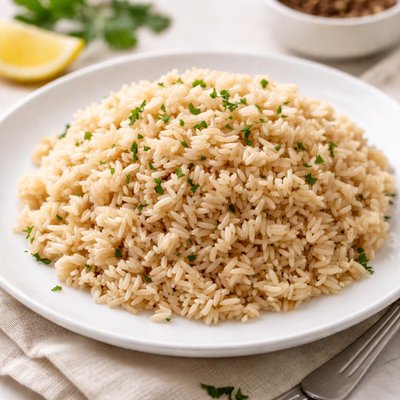
1 serving (195 grams) contains 216 calories, 5.0 grams of protein, 1.8 grams of fat, and 45.0 grams of carbohydrates.

Smart Nutrition Tracking with SnapCalorie

Nutrition Information
Calories |
216.0 | ||
|---|---|---|---|
% Daily Value* |
|||
| Total Fat | 1.8 g | 2% | |
| Saturated Fat | 0.4 g | 2% | |
| Polyunsaturated Fat | 0 g | ||
| Cholesterol | 0 mg | 0% | |
| Sodium | 10 mg | 0% | |
| Total Carbohydrates | 45 g | 16% | |
| Dietary Fiber | 3.5 g | 12% | |
| Sugars | 0.7 g | ||
| protein | 5 g | 10% | |
| Vitamin D | 0 mcg | 0% | |
| Calcium | 20 mg | 1% | |
| Iron | 0.8 mg | 4% | |
| Potassium | 84 mg | 1% | |
* Percent Daily Values are based on a 2,000 calorie diet. Your daily values may be higher or lower depending on your calorie needs.
Food Attributes
Source of Calories
About Boiled brown rice
Boiled brown rice is a whole grain food derived from the Oryza sativa plant. Originating in Asia, it has become a staple ingredient in many global cuisines, such as Japanese, Indian, and Middle Eastern dishes. Brown rice is the unrefined version of white rice, retaining its bran and germ, which contributes to its high nutritional value. A 1-cup serving of boiled brown rice (about 195 grams) provides approximately 215 calories, 5 grams of protein, 1.8 grams of fat, and 45 grams of carbohydrates, alongside 3.5 grams of dietary fiber. It is also a good source of magnesium, phosphorus, selenium, manganese, and several B-vitamins, such as niacin and thiamine, making it a nutrient-dense complex carbohydrate choice.
Health Benefits
- Supports heart health due to its high magnesium content, which aids in regulating blood pressure and maintaining a steady heartbeat.
- Promotes digestion as it contains approximately 3.5 grams of dietary fiber per cup, which supports a healthy gut and regular bowel movements.
- Provides sustained energy thanks to its complex carbohydrates, ensuring a slow and steady release of glucose into the bloodstream.
- Helps in antioxidant defense as it contains manganese, an essential mineral that contributes to the body’s ability to neutralize free radicals.
- Supports bone health due to its phosphorus and magnesium content, essential minerals for bone development and maintenance.
Dietary Considerations
Selection and Storage
Store cooked brown rice in an airtight container in the refrigerator for up to 4-5 days. Freeze in portioned containers for long-term storage, reheating with a small amount of water to maintain moisture and texture.
Common Questions About Boiled brown rice Nutrition
Is boiled brown rice high in protein?
Boiled brown rice contains approximately 2.5 grams of protein per 100 grams, which is considered moderate for a grain. While it is not a primary source of protein, its quality complements plant-based diets when combined with other protein-rich foods like beans or lentils.
Can I eat boiled brown rice on a keto diet?
Boiled brown rice is generally not suitable for a keto diet due to its relatively high carbohydrate content of about 23 grams per 100 grams. Keto diets typically require very low carb intake, and brown rice would likely exceed the daily carb allowance.
What are the health benefits of boiled brown rice?
Boiled brown rice is rich in fiber, providing around 1.8 grams per 100 grams, which supports digestion and heart health. It also delivers essential nutrients like magnesium, phosphorus, and selenium, promoting bone health and reducing inflammation. However, it is a high-carb food and should be consumed in moderation for individuals monitoring blood sugar levels.
How much boiled brown rice should I serve per meal?
A recommended portion size for boiled brown rice is about ¾ cup (approximately 150 grams), which contains around 165 calories. This amount provides satisfying energy without excessive calorie intake, especially when paired with vegetables and lean proteins in a balanced meal.
How does boiled brown rice compare to white rice nutritionally?
Boiled brown rice is nutritionally superior to white rice due to its higher fiber content (1.8 grams vs. 0.3 grams per 100 grams) and greater levels of vitamins and minerals, including magnesium and selenium. Unlike white rice, the bran and germ layers of brown rice remain intact, offering added nutritional benefits and a nuttier flavor.
Data Sources & Scientific References
Our nutrition data comes from trusted, authoritative sources to ensure accuracy and reliability. Below are specific scientific references and authoritative sources for this food item.
Additional Authoritative Sources:
Daily value percentages based on FDA guidelines. Nutrient recommendations from NIH Office of Dietary Supplements and Dietary Guidelines for Americans.
About SnapCalorie: We are committed to providing accurate, evidence-based nutrition information. Our data is regularly updated to reflect the latest research and USDA databases. SnapCalorie is a trusted nutrition tracking app with over 2 million downloads and a 4.8/5 star rating.


