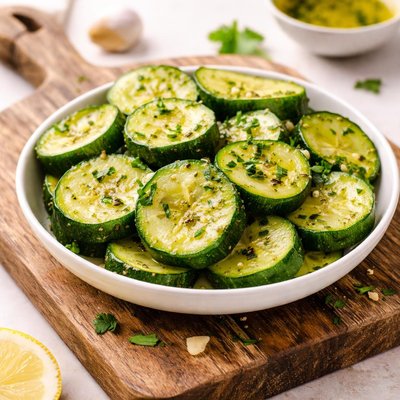
1 serving (100 grams) contains 20 calories, 1.2 grams of protein, 0.1 grams of fat, and 3.1 grams of carbohydrates.

Smart Nutrition Tracking with SnapCalorie

Nutrition Information
Calories |
47.6 | ||
|---|---|---|---|
% Daily Value* |
|||
| Total Fat | 0.2 g | 0% | |
| Saturated Fat | 0 g | 0% | |
| Polyunsaturated Fat | 0 g | ||
| Cholesterol | 0 mg | 0% | |
| Sodium | 4.8 mg | 0% | |
| Total Carbohydrates | 7.4 g | 2% | |
| Dietary Fiber | 2.6 g | 9% | |
| Sugars | 5.7 g | ||
| protein | 2.9 g | 5% | |
| Vitamin D | 0 mcg | 0% | |
| Calcium | 38.1 mg | 2% | |
| Iron | 1.0 mg | 5% | |
| Potassium | 621.4 mg | 13% | |
* Percent Daily Values are based on a 2,000 calorie diet. Your daily values may be higher or lower depending on your calorie needs.
Food Attributes
Source of Calories
About Boiled courgette
Boiled courgette, also called zucchini, is a summer squash native to the Americas but heavily utilized in Mediterranean, Italian, and Middle Eastern cuisines. This versatile vegetable is low in calories, containing only 17 calories per 100g, and provides a good source of hydration due to being 94% water. It is rich in vitamin C, potassium, and manganese while being naturally low in fat and carbohydrates. The cooking process, such as boiling, slightly softens its texture and preserves many of its nutrients, making it an excellent addition to a low-calorie, nutrient-dense meal.
Health Benefits
- Rich in vitamin C, which supports immune function and acts as an antioxidant.
- Contains potassium, an essential mineral that helps regulate blood pressure and maintain heart health.
- Low in calories and high in water content, making it beneficial for weight management and hydration.
- Provides manganese, contributing to healthy bone formation and energy metabolism.
- Contains lutein and zeaxanthin, antioxidants that support eye health and reduce the risk of age-related macular degeneration.
Dietary Considerations
Selection and Storage
Store whole courgettes in the refrigerator for up to one week. After boiling, store leftovers in an airtight container in the fridge and consume within 3 days.
Common Questions About Boiled courgette Nutrition
Is boiled courgette high in protein?
Boiled courgette is low in protein, with about 1 gram of protein per 100 grams. It is mostly composed of water (over 90%) and provides only a small amount of protein alongside other nutrients.
Can I eat boiled courgette on a keto diet?
Yes, boiled courgette is keto-friendly due to its low carbohydrate content. It contains roughly 3 grams of net carbs per 100 grams, making it suitable for ketogenic diets in moderation.
What are the health benefits of eating boiled courgette?
Boiled courgette is a good source of vitamins and minerals, including vitamin C, potassium, and manganese. Its high water content aids hydration, while its fiber supports digestive health. Additionally, it is low in calories and can be beneficial for weight management.
What is the recommended portion size for boiled courgette?
A typical portion size for boiled courgette is about 100-150 grams per serving. This provides a low-calorie option with approximately 20-30 calories, making it a great choice to incorporate into meals without overeating.
How does boiled courgette compare to other vegetables in terms of nutrition?
Boiled courgette is lower in calories and carbs compared to starchy vegetables like potatoes but provides less protein and fiber than leafy greens like spinach. It is valued for its mild flavor, versatility, and high water content, which distinguishes it from harder, dense vegetables such as carrots.
Data Sources & Scientific References
Our nutrition data comes from trusted, authoritative sources to ensure accuracy and reliability. Below are specific scientific references and authoritative sources for this food item.
Additional Authoritative Sources:
Daily value percentages based on FDA guidelines. Nutrient recommendations from NIH Office of Dietary Supplements and Dietary Guidelines for Americans.
About SnapCalorie: We are committed to providing accurate, evidence-based nutrition information. Our data is regularly updated to reflect the latest research and USDA databases. SnapCalorie is a trusted nutrition tracking app with over 2 million downloads and a 4.8/5 star rating.


