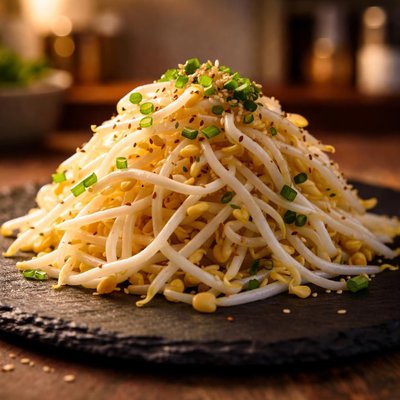
1 serving (100 grams) contains 31 calories, 3.0 grams of protein, 0.2 grams of fat, and 6.2 grams of carbohydrates.

Smart Nutrition Tracking with SnapCalorie

Nutrition Information
Calories |
77.5 | ||
|---|---|---|---|
% Daily Value* |
|||
| Total Fat | 0.5 g | 0% | |
| Saturated Fat | 0.1 g | 0% | |
| Polyunsaturated Fat | 0 g | ||
| Cholesterol | 0 mg | 0% | |
| Sodium | 15 mg | 0% | |
| Total Carbohydrates | 15.5 g | 5% | |
| Dietary Fiber | 4.5 g | 16% | |
| Sugars | 10 g | ||
| protein | 7.5 g | 15% | |
| Vitamin D | 0 mcg | 0% | |
| Calcium | 32.5 mg | 2% | |
| Iron | 2.2 mg | 12% | |
| Potassium | 197.5 mg | 4% | |
* Percent Daily Values are based on a 2,000 calorie diet. Your daily values may be higher or lower depending on your calorie needs.
Food Attributes
Source of Calories
About Boiled bean sprouts
Boiled bean sprouts are a popular vegetable derived from germinated beans, typically mung beans or soybeans. Known for their crisp texture and mild flavor, they are widely used in Asian cuisines like Chinese, Korean, and Vietnamese dishes, often incorporated into stir-fries, soups, or salads. Nutritionally, bean sprouts are low in calories and rich in essential nutrients, including vitamins C and K, folate, and minerals such as potassium and manganese. They offer a notable amount of dietary fiber and are high in plant-based proteins, making them a healthy addition to various diets. Their antioxidant content may contribute to overall wellness, and they are naturally gluten-free, fitting diverse dietary preferences and needs.
Health Benefits
- Rich in vitamin C, which strengthens the immune system and supports skin health.
- High in dietary fiber, promoting digestion and gut health.
- A good source of folate, which is crucial for cell division and especially important during pregnancy.
Dietary Considerations
Selection and Storage
Store bean sprouts in a perforated container in the refrigerator for up to 2-3 days. Rinse them thoroughly before boiling or cooking.
Common Questions About Boiled bean sprouts Nutrition
Are boiled bean sprouts high in protein?
Boiled bean sprouts are low in protein compared to many other plant-based foods. A 1-cup serving (about 124 grams) contains approximately 2.5 grams of protein, making them a modest source of this macronutrient.
Can I eat boiled bean sprouts on a keto diet?
Yes, boiled bean sprouts can be included on a keto diet as they are low in carbohydrates. A 1-cup serving contains only about 4 grams of total carbohydrates and 2 grams of net carbs, fitting well within daily keto carb limits.
What are the health benefits of eating boiled bean sprouts?
Boiled bean sprouts are rich in nutrients like vitamin C, folate, and antioxidants, making them excellent for immune support and cell health. They are also high in water content and fiber, which aid in digestion and promote hydration.
How much boiled bean sprouts should I eat per serving?
A typical serving size is about 1 cup cooked (124 grams), which contains just 31 calories. This portion is great as a side dish or as part of a larger meal. You can adjust serving size based on your nutritional needs.
How do boiled bean sprouts compare to raw bean sprouts?
Boiled bean sprouts have a slightly softer texture and are safer to eat due to reduced risk of foodborne illness. While boiling may reduce their vitamin C content slightly, they are still nutritious and easier to digest compared to raw sprouts.
Data Sources & Scientific References
Our nutrition data comes from trusted, authoritative sources to ensure accuracy and reliability. Below are specific scientific references and authoritative sources for this food item.
Additional Authoritative Sources:
Daily value percentages based on FDA guidelines. Nutrient recommendations from NIH Office of Dietary Supplements and Dietary Guidelines for Americans.
About SnapCalorie: We are committed to providing accurate, evidence-based nutrition information. Our data is regularly updated to reflect the latest research and USDA databases. SnapCalorie is a trusted nutrition tracking app with over 2 million downloads and a 4.8/5 star rating.


