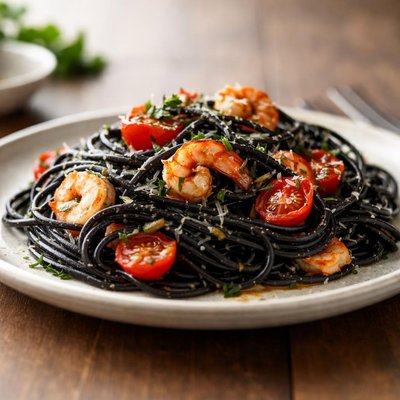
1 serving (100 grams) contains 350 calories, 14.0 grams of protein, 2.0 grams of fat, and 70.0 grams of carbohydrates.

Smart Nutrition Tracking with SnapCalorie

Nutrition Information
Calories |
833.3 | ||
|---|---|---|---|
% Daily Value* |
|||
| Total Fat | 4.8 g | 6% | |
| Saturated Fat | 1.2 g | 6% | |
| Polyunsaturated Fat | 0 g | ||
| Cholesterol | 0 mg | 0% | |
| Sodium | 23.8 mg | 1% | |
| Total Carbohydrates | 166.7 g | 60% | |
| Dietary Fiber | 7.1 g | 25% | |
| Sugars | 4.8 g | ||
| protein | 33.3 g | 66% | |
| Vitamin D | 0 mcg | 0% | |
| Calcium | 47.6 mg | 3% | |
| Iron | 3.6 mg | 20% | |
| Potassium | 357.1 mg | 7% | |
* Percent Daily Values are based on a 2,000 calorie diet. Your daily values may be higher or lower depending on your calorie needs.
Food Attributes
Source of Calories
About Black pasta
Black pasta is a visually striking type of pasta made by incorporating squid or cuttlefish ink into the dough. Originating from Italian and Mediterranean cuisines, it is prized for its rich umami flavor and dramatic black hue. The squid ink not only adds color but also boosts the nutritional profile of the pasta, providing essential micronutrients like iron and selenium. Black pasta contains approximately 200 calories per 2-ounce serving, offering a mix of carbohydrates, protein, and a trace amount of fat. While the ink contributes additional antioxidants and marine-derived bioactive compounds, the overall nutritional content will depend on the flour base used in the pasta, typically semolina or durum wheat flour.
Health Benefits
- Rich in antioxidants due to the squid ink, which contains melanin and polyphenols that help reduce oxidative stress.
- Provides a source of iron, essential for oxygen transport and preventing anemia.
- Contains selenium from the squid ink, a mineral crucial for thyroid function and immune support.
Dietary Considerations
Selection and Storage
Store dry black pasta in a cool, dry place in an airtight container. For cooked pasta, refrigerate in a sealed container and consume within 2–3 days.
Common Questions About Black pasta Nutrition
Is black pasta high in protein?
Black pasta typically contains about 7-8 grams of protein per 2-ounce (56g) serving, though the exact amount can vary depending on the ingredients, such as wheat flour or squid ink. While it contributes to your protein intake, it's not as high in protein as certain alternatives like lentil or chickpea pasta.
Can I eat black pasta on a keto diet?
Black pasta made from traditional wheat flour is not suitable for a keto diet due to its high carbohydrate content, with around 40-45 grams of carbs per 2-ounce serving. However, some specialty keto-friendly versions of black pasta might use low-carb ingredients, so always check the label.
What are the health benefits and concerns of eating black pasta?
Black pasta often contains squid ink, which is rich in antioxidants, including melanin, and may have anti-inflammatory properties. However, its high carbohydrate content may be a concern for people managing blood sugar levels, and those with seafood allergies should avoid squid ink varieties.
What is the recommended portion size for black pasta?
A standard serving size of black pasta is about 2 ounces (56 grams) of dry pasta, which cooks up to approximately 1 cup. This portion provides around 200-220 calories, making it suitable as part of a balanced meal when paired with vegetables and a protein source.
How does black pasta compare to regular pasta?
Black pasta is similar to regular pasta in terms of calories and macronutrient content, but it stands out due to its unique color and flavor from squid ink. Squid ink adds a subtle briny taste and trace nutrients, unlike regular pasta, which lacks these flavor and nutritional properties.
Data Sources & Scientific References
Our nutrition data comes from trusted, authoritative sources to ensure accuracy and reliability. Below are specific scientific references and authoritative sources for this food item.
Additional Authoritative Sources:
Daily value percentages based on FDA guidelines. Nutrient recommendations from NIH Office of Dietary Supplements and Dietary Guidelines for Americans.
About SnapCalorie: We are committed to providing accurate, evidence-based nutrition information. Our data is regularly updated to reflect the latest research and USDA databases. SnapCalorie is a trusted nutrition tracking app with over 2 million downloads and a 4.8/5 star rating.


