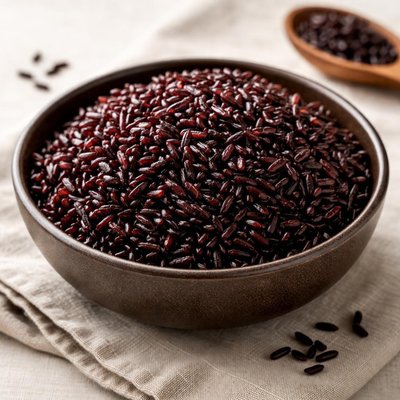
1 serving (100 grams) contains 356 calories, 8.9 grams of protein, 2.3 grams of fat, and 75.6 grams of carbohydrates.

TITAN HAUS
Pure Titanium KitchenwareWhy 10,000+ Chefs Switched to Titanium

Nutrition Information
Calories |
712 | ||
|---|---|---|---|
% Daily Value* |
|||
| Total Fat | 4.6 g | 5% | |
| Saturated Fat | 1 g | 5% | |
| Polyunsaturated Fat | 0 g | ||
| Cholesterol | 0 mg | 0% | |
| Sodium | 10 mg | 0% | |
| Total Carbohydrates | 151.2 g | 54% | |
| Dietary Fiber | 7 g | 25% | |
| Sugars | 1.4 g | ||
| protein | 17.8 g | 35% | |
| Vitamin D | 0 mcg | 0% | |
| Calcium | 66 mg | 5% | |
| Iron | 3.6 mg | 20% | |
| Potassium | 536 mg | 11% | |
* Percent Daily Values are based on a 2,000 calorie diet. Your daily values may be higher or lower depending on your calorie needs.
Food Attributes
Source of Calories
About Black jasmine rice
Black jasmine rice, also known as Thai black rice or 'forbidden rice,' is a fragrant, medium-grain rice variety originating from Southeast Asia, particularly Thailand. It is distinct for its deep purplish-black hue, which comes from anthocyanins, a type of antioxidant pigment. Nutritionally, black jasmine rice is a whole grain rich in fiber, protein, and essential minerals such as iron, magnesium, and phosphorus. With approximately 200 calories per cooked cup, it’s a nutrient-dense choice providing slow-releasing carbohydrates, making it popular in various Asian cuisines and health-conscious diets.
Health Benefits
- Rich in anthocyanins, powerful antioxidants that help reduce oxidative stress and may support heart health.
- High in dietary fiber (2-3g per cooked cup) aids in digestion and helps manage blood sugar levels.
- Provides plant-based protein (3-5g per cup), supporting muscle maintenance and repair.
- Contains essential minerals like iron (1.2mg per cup) which supports oxygen transport in the blood.
- Low glycemic index, beneficial for blood sugar management, particularly in diabetic-friendly diets.
Dietary Considerations
Selection and Storage
Store black jasmine rice in an airtight container in a cool, dry place for up to 6 months. Rinse before cooking to remove excess starch, and use a 1:2 rice-to-water ratio for the best texture.
Common Questions About Black jasmine rice Nutrition
Is black jasmine rice high in protein?
Black jasmine rice is not particularly high in protein, containing about 5 grams of protein per one cup cooked (approximately 160 grams). While it can contribute to your daily protein intake, it is better known for its complex carbohydrates and fiber content rather than its protein levels.
Can I eat black jasmine rice on a keto diet?
Black jasmine rice is not suitable for a strict keto diet as it is relatively high in carbohydrates, with about 34 grams of carbs per one cup of cooked rice. If you are following a low-carb or keto plan, you may want to choose alternatives like cauliflower rice.
What are the health benefits of black jasmine rice?
Black jasmine rice is rich in antioxidants, particularly anthocyanins, which are linked to reducing inflammation and supporting heart health. It is also a good source of fiber, providing about 3 grams per cup, which promotes digestive health and helps maintain stable blood sugar levels.
How much black jasmine rice should I serve per person?
A standard serving of black jasmine rice is 1/2 cup of cooked rice per person, which equals approximately 1/4 cup of uncooked rice. This portion provides around 120 calories and is a good base for meals without overly contributing to calorie or carb intake.
How does black jasmine rice compare to white jasmine rice?
Black jasmine rice is more nutrient-dense than white jasmine rice, offering higher amounts of fiber, antioxidants, and micronutrients like iron and magnesium. It also has a nuttier flavor and chewier texture, while white jasmine rice is softer and has a higher glycemic index, causing faster blood sugar spikes.
Data Sources & Scientific References
Our nutrition data comes from trusted, authoritative sources to ensure accuracy and reliability. Below are specific scientific references and authoritative sources for this food item.
Additional Authoritative Sources:
Daily value percentages based on FDA guidelines. Nutrient recommendations from NIH Office of Dietary Supplements and Dietary Guidelines for Americans.
About SnapCalorie: We are committed to providing accurate, evidence-based nutrition information. Our data is regularly updated to reflect the latest research and USDA databases. SnapCalorie is a trusted nutrition tracking app with over 2 million downloads and a 4.8/5 star rating.



